The US Embassy issues an urgent security alert for this Caribbean destination
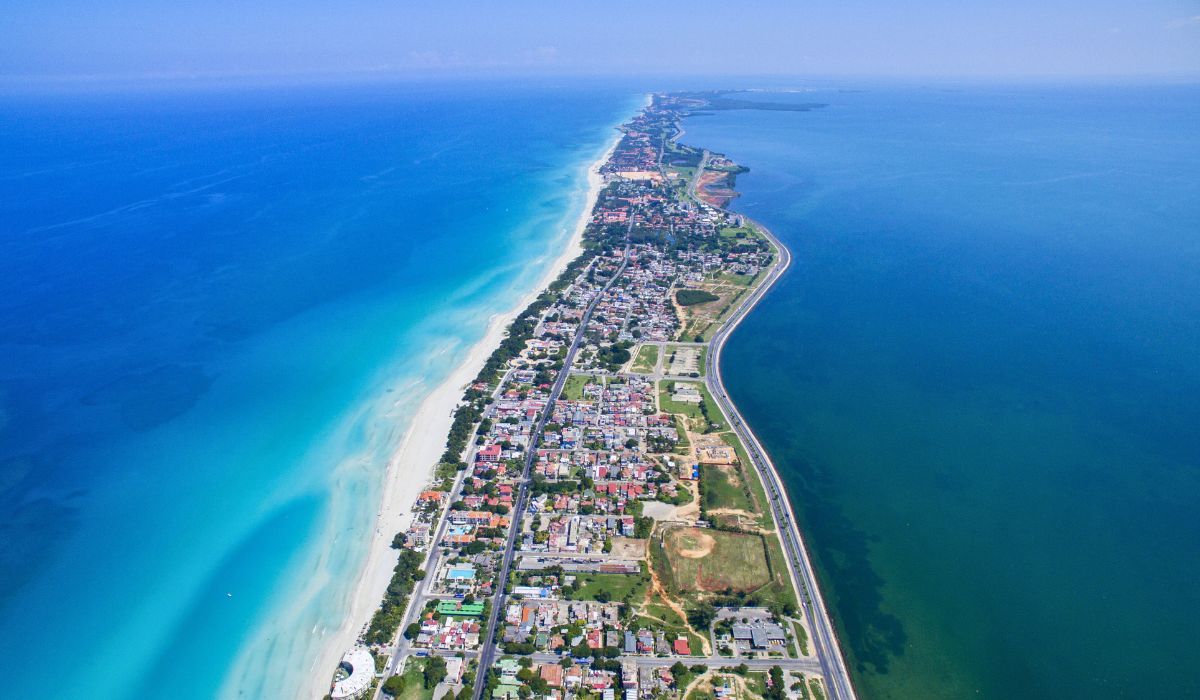
At 5 a.m. local time on December 3, 2025, Cuba was hit by a widespread power outage, particularly in the capital Havana and the island’s western provinces from Mayabeque to Pinar del Río. According to state-controlled media reports, the outage was due to a partial collapse of Cuba’s national electricity grid. Authorities have not disclosed the cause of the outage and no timeline has been given for the restoration of electricity.
The United States government has released an official through its diplomatic mission in Havana Security warning earlier today, urging U.S. citizens currently in the country — or planning trips soon — to prepare for prolonged infrastructure instability. Emergency services are expected to remain operational, but widespread disruptions to internet, mobile communications and digital services have already been reported.
Infrastructure disruptions are already impacting connectivity
Initial reports indicate a simultaneous outage of internet and mobile networks, raising major concerns for travelers who rely on digital communications and navigation. The advisory warned that even facilities powered by generators may struggle to maintain service in the event of extended outages, as fuel availability continues to fluctuate unpredictably across the country.
On December 1, Cuba publicly announced its lowest national energy production figures since 2022 – an economic indicator that has been largely overlooked in recent electricity reporting. The continued decline underlines a broader pattern of systemic vulnerability. Since October 18, 2024, the country has experienced repeated national-scale power outages lasting many hours or even days, with both planned and unplanned power outages now occurring daily in most regions.
Fuel shortages limit the long-term reliability of the generator
The warning further highlighted that businesses and accommodation providers operating on backup generators may be unable to continue operations due to irregular fuel distribution and shortages. This has immediate implications for hotels, airports, medical facilities and co-working spaces, many of which publicly advertise generator-powered contingency plans that may not be able to withstand prolonged failures.
Consequences for US citizens and travelers
U.S. travelers with plans to enter the country in the coming days are urged to:
- Follow local media and official updates for real-time grid restoration developments
- Prepare cash reserves and offline documentation, considering possible ATM and payment system disruptions
- Conserve mobile power and avoid non-essential travel until communications stabilize
- Register with official US diplomatic communications channels for security purposes
- Please confirm generator reliability directly with hotels and transportation companies before departure
Broader context: a growing regional trend of infrastructure-based travel risks
While global travel coverage today largely focuses on tourism recovery and airline disruptions, few major English-language media outlets have explored how national infrastructure instability directly intersects with VFR (visiting friends and relatives), student mobility and long-term travel planning. The Cuban Missile Crisis highlights an emerging demand for high-quality consumer explainers on travel risks related to energy production, fuel security and telecommunications resilience.