The economy grew by 2% in the first quarter, but key inflation figures are spiking
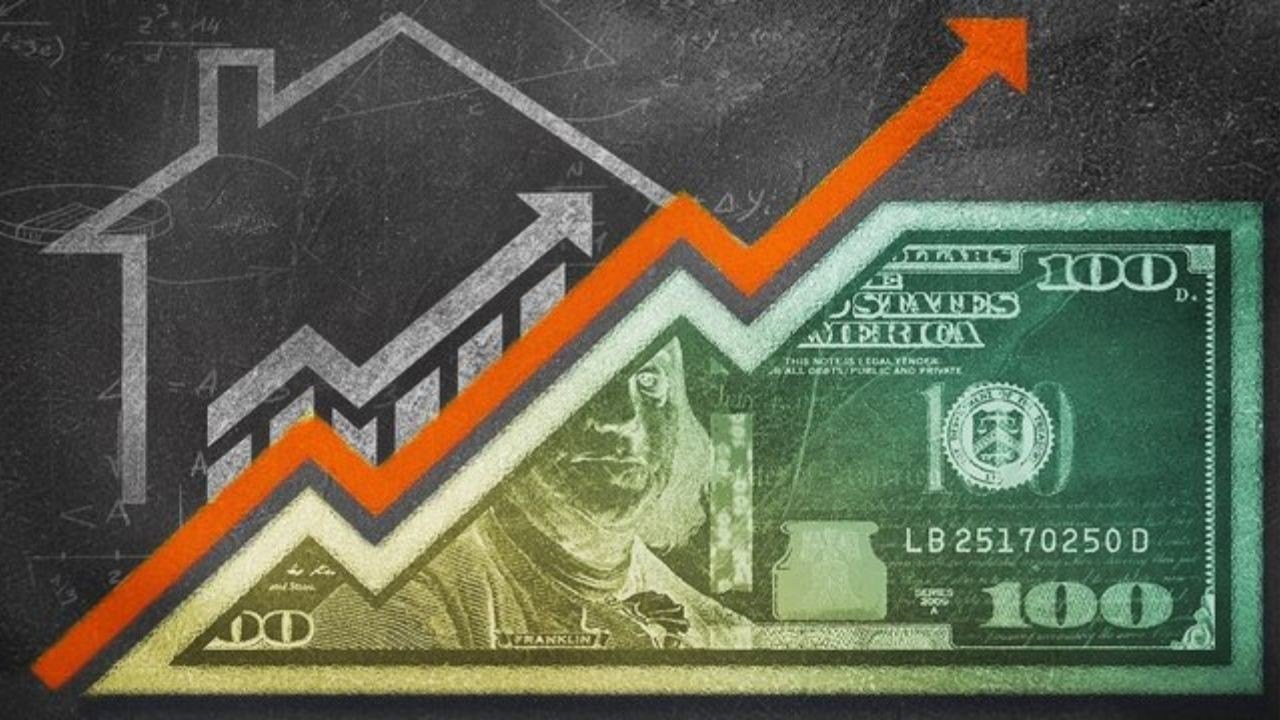
U.S. economic growth picked up the pace during the first three months of 2026, representing a steady recovery from the previous quarter’s slump — while a key inflation measure closely watched by the Federal Reserve accelerated.
Together, the indicators released Thursday suggest the economy is heating up, a trend that will put upward pressure on mortgage rates and reduce the likelihood of a Fed rate cut in the near term.
Gross domestic product (GDP), the total monetary value of the country’s goods and services, rose 2% annually from January through March 2025, according to a preliminary estimate released by the U.S. government on Thursday. Commerce Department.
GDP growth was driven by business investment that reflected a rise in spending on information processing equipment and software amid an ongoing AI boom. Consumer spending, which makes up roughly two-thirds of economic activity, rose 1.6%, down from the previous quarter’s 1.9%, fueled by health care and financial services.
Meanwhile, non-defense government spending also saw a rebound, with an annual increase of 4.4%. This marks a sharp recovery from the fourth quarter of 2025, when a government shutdown suppressed economic growth to just 0.5%, according to the Commerce Department’s final estimate.
A separate economic indicator, the Personal Consumption Expenditure (PCE) Price Index.Figures from the US Department of Commerce show that inflation has increased by 3.5% compared to a year ago.
The Core PCE index, which excludes volatile energy and food prices, rose 3.2% year-on-year, the highest in almost three years. This measure is the Fed’s preferred inflation gauge used by policymakers to evaluate progress toward the central bank’s 2% annual price stability target.
What will the Fed do now?
“There will be far more conversations in the hallways of the Fed this morning about the worryingly high 3.5% PCE inflation rate than about the resilient GDP print,” said Realtor.com® senior economist Jake Krimmel.
Krimmel points out that both figures come with caveats: while the spike in gas prices linked to the US and Iran may have temporarily boosted the PCE, and GDP is still in need of revision, he emphasizes that only the former poses a threat to the Fed’s dual mandate of price stability and maximum employment.
The PCE has been well above the central bank’s target rate for some time, and Krimmel says the Federal Open Market Committee (FOMC) is concerned about rising inflation expectations creating a vicious cycle of price increases that lead to even more price increases.
At yesterday’s FOMC meeting in Washington, DC, led by the Chairman Jerome Powell likely for the last time, participants voted 8-4 to keep the federal interest rate at the current range of 3.5%-3.75%. Still, three of the dissenting voters expressed discomfort about possible future rate cuts, raising the prospect of a rate hike.
“By laying the groundwork yesterday, they are creating a credible threat that the Fed is prepared to take inflation even more seriously than it is now if the numbers worsen,” Krimmel said.
The markets currently estimate the chance of an interest rate pause until the end of 2026 at 84%. In addition, an interest rate increase seems more likely than a reduction CME Fedwatch.
Krimmel warns that mortgage interest rates will not fall anytime soon. However, he argues that an FOMC and a new Fed chairman committed to getting inflation under control is the most important thing in the long run for both mortgage rates and consumers.
“The runaway inflation is currently not only hitting consumers in the pockets, but also increasing the cost of borrowing,” the economist concludes.