The 6 most important US travel advisories issued in October 2025
In October 2025, the US Department of State issued a series updated travel advice as a result of increased global security challenges and developing regional instability.
From escalating civil unrest in parts of Africa to emerging terrorism risks in popular island destinations, these advisories serve as critical guidance for American travelers navigating an increasingly unpredictable international landscape.
The updates underscore the importance of vigilance, preparation and situational awareness as global travel rebounds in the post-pandemic era but faces renewed geopolitical turbulence.
The U.S. State Department’s travel advisory system uses a four-level scale:
- Level 1: Take normal precautions
- Level 2: Be extra careful
- Level 3: Reconsider travel
- Level 4: Do not travel
The following report outlines the key advisories announced this month, detailing affected regions, risk levels, and practical implications for U.S. citizens abroad.
1. Sudan — Level 4 (no travel)
In mid-October, the Ministry of Foreign Affairs reissued its advice for Sudan at the highest risk level, adding indicators for health risks in addition to security risks. The combination of armed conflict, limited support from the US embassy and deteriorating infrastructure underlies the ‘Do Not Travel’ classification.
Consequences for travelers: Americans currently in Sudan are urged to leave while commercial options remain and avoid all travel in the country. All travel plans there should be postponed until conditions improve.
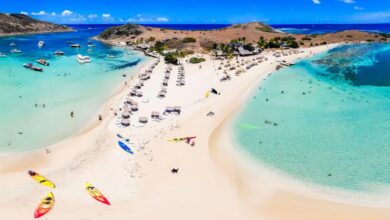
2. Maldives — Level 2 (use extra caution)
An advisory update on October 7, 2025 raised concerns in the Maldives about potential terrorist activities, warning that “terrorist groups may attack with little or no warning.”
While the destination remains accessible, travelers are advised to remain alert, avoid crowded locations or large gatherings, and monitor local conditions.
Implications: Holidaymakers heading to the holiday islands should consider improving travel insurance cover, registering with the Smart Traveler Enrollment Program (STEP) and avoiding complacency in what is widely seen as a low-risk destination.
3. Madagascar — Level 3 (Reconsider Travel)
In early to mid-October, the US advisory for Madagascar was increased due to escalating civil unrest, widespread protests, looting and disruptions to normal order, especially in major cities.
Implications: For travelers already in the country, the advice is to avoid protest zones, stay indoors after dark and draw up contingency plans for unexpected security incidents. Prospective visitors should reconsider non-essential travel until stability returns.
4. Mali — Level 4 (no travel)
On October 28, the State Department issued an urgent directive urging U.S. citizens in Mali to depart on commercial flights, citing fuel shortages caused by insurgent tactics, infrastructure failures and growing conflict around the capital Bamako.
Implications: All Americans in Mali are urged to leave. Land travel is considered particularly risky due to the activities of armed groups; the US embassy in Bamako stated that it cannot assist US citizens outside the capital. If you remain in the country, extensive self-protection may be necessary.
5. Sri Lanka — Level 2 (be extra careful)

In October 2025, the Department of State reaffirmed its Level 2 advisory for Sri Lanka, urging travelers to exercise greater caution due to possible civil unrest and the continued threat of terrorism. Recent demonstrations over political and economic grievances have occasionally turned violent, with law enforcement deploying tear gas and water cannons to disperse crowds.
While Sri Lanka remains a popular destination for tourism, the advisory warns that terrorist groups could target public locations such as hotels, places of worship, transport hubs and crowded events. In addition, landmine risks still persist in certain northern and eastern regions that were previously areas of conflict.
Implications: U.S. citizens are advised to avoid demonstrations, remain alert in areas frequented by tourists, and avoid remote or unexplored areas where unexploded ordnance may be present. Travelers should also enroll in the Smart Traveler Enrollment Program (STEP) to receive security updates and ensure emergency contact information is easily accessible.
6. Jamaica — Level 3 (Reconsider Travel)
On October 28, 2025, the United States Department of State increased its travel advisory for Jamaica to Level 3: Rethink travelciting increased risks associated with it crime, health and natural disasters. The updated notice also introduced a risk indicator for “natural disasters”. Hurricane Melissawhich struck the island on October 27, causing widespread infrastructure damage.
Hurricane and Embassy Operations
In the aftermath of the storm, the U.S. Embassy in Kingston authorized the voluntary departure of non-aid workers and family members of U.S. government officials. Staffing levels have been temporarily reduced and routine consular services may be limited while recovery operations continue. Travelers are advised to reconsider planned travel to Jamaica until conditions stabilize. Those already in the country are urged to monitor weather updates, follow local authority guidelines and confirm transport and accommodation availability before moving between regions.
Crime and security problems
Although the overall crime rate has declined modestly since 2024, Jamaica continues to record one of the highest murder rates in the Western Hemisphere. Armed robberies, assaults and sexual violence remain serious concerns, including in some tourist areas. The US Embassy reports recurring incidents of sexual violence at resorts and notes inconsistent responses from local police, with limited prosecution results for violent crimes.