Thailand and Bali hardest hit by airspace disruptions that are disrupting long-haul traffic

Airspace disruptions linked to ongoing geopolitical tensions in the Middle East are sending shockwaves through global aviation, with Southeast Asia’s tourism hotspots – particularly Thailand and Bali – emerging as some of the most vulnerable destinations.
Rising costs and longer routes are disrupting global travel
Airlines across Europe and Asia are being forced to divert flights to avoid conflict-sensitive airspace, especially around Iran and neighboring regions. These detours significantly increase flight time and fuel consumption, putting immediate pressure on operating costs.
The impact is already visible in ticket pricesnow that carriers are implementing fuel surcharges and adjusting rates upward to offset the higher costs. According to ReutersAirlines have also started adjusting schedules, reducing frequencies on some long-haul routes and consolidating flights to maintain profitability.
The disruption began after tensions escalated on February 28, leading to widespread airspace restrictions. Since then there have also been tens of thousands of flights diverted or canceledaffecting key aviation corridors between Europe and Asia.
Thailand and Bali face risks of a slowdown in tourism
Industry experts warn that Thailand and Indonesia – especially Bali – are particularly vulnerable to the impact. Both destinations rely heavily on long-haul travelers, especially from Europe, making them vulnerable to rising travel costs and longer flight times, as highlighted by The nation of Thailand.
‘Longer travel times, fewer available seats and higher fares could significantly dampen demand’ analysts told CNA, highlighting concerns about the upcoming peak seasons.
Bali’s tourism model is particularly vulnerable due to its dependence on European visitors, while Thailand faces similar risks in its diverse tourism sector. Higher prices can discourage discretionary travel, especially among budget-conscious tourists.
Malaysia shows relative resilience
Malaysia, on the other hand, appears better positioned to weather the disruption. European visitors account for less than 15% of total arrivals, reducing exposure to the volatility of long-haul travel.
However, the country is not immune. At least 200 outbound flights from Kuala Lumpur International Airport, mainly to the Middle East, have been canceled since the conflict began.
Still, tourism officials remain cautiously optimistic. Strong regional demand from East Asia, India and neighboring Southeast Asian countries could help offset the losses. Furthermore, initiatives such as Visit Malaysia 2026 and ongoing infrastructure upgrades are expected to support the sector.
Regional aviation hubs see strategic opportunities
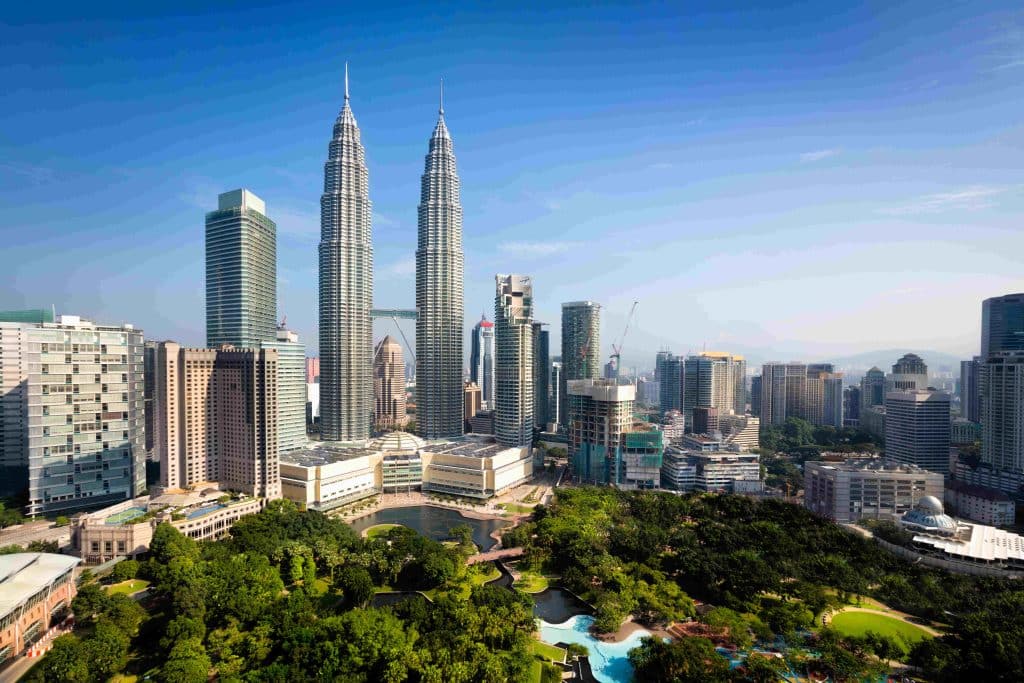
While the disruptions pose challenges, they are also reshaping aviation dynamics. Southeast Asian airports – including those in Thailand, Singapore, Hong Kong and Malaysia – are positioning themselves as alternative transit hubs as airlines reconsider traditional stops in the Gulf.
Norazman Mahmud, Malaysia’s civil aviation chief, told CNA: “Airports in the region could benefit as airlines look for safer and more stable route options.”
Malaysia Airlines has already responded by increasing capacity on European routes and adding flights to major cities such as London and Paris to meet changing demand, as noted in a report. IATA Industry Update.
Prospects remain uncertain
For the time being, the aviation sector is facing a period of continued uncertainty. Higher fuel costs, longer routes and limited seat capacity are expected to keep fares highwhich may suppress demand for long-haul travel in the coming months.
Southeast Asia’s tourism industry is likely to experience a mixed impact – a balance between disruption and emerging opportunities – as geopolitical tensions continue to shape global travel patterns.