Tanzania: Africa’s gold travel standard and the journey ahead | Focus
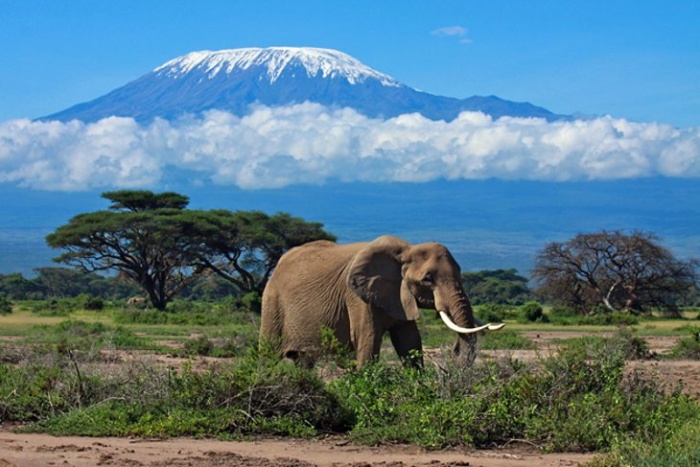
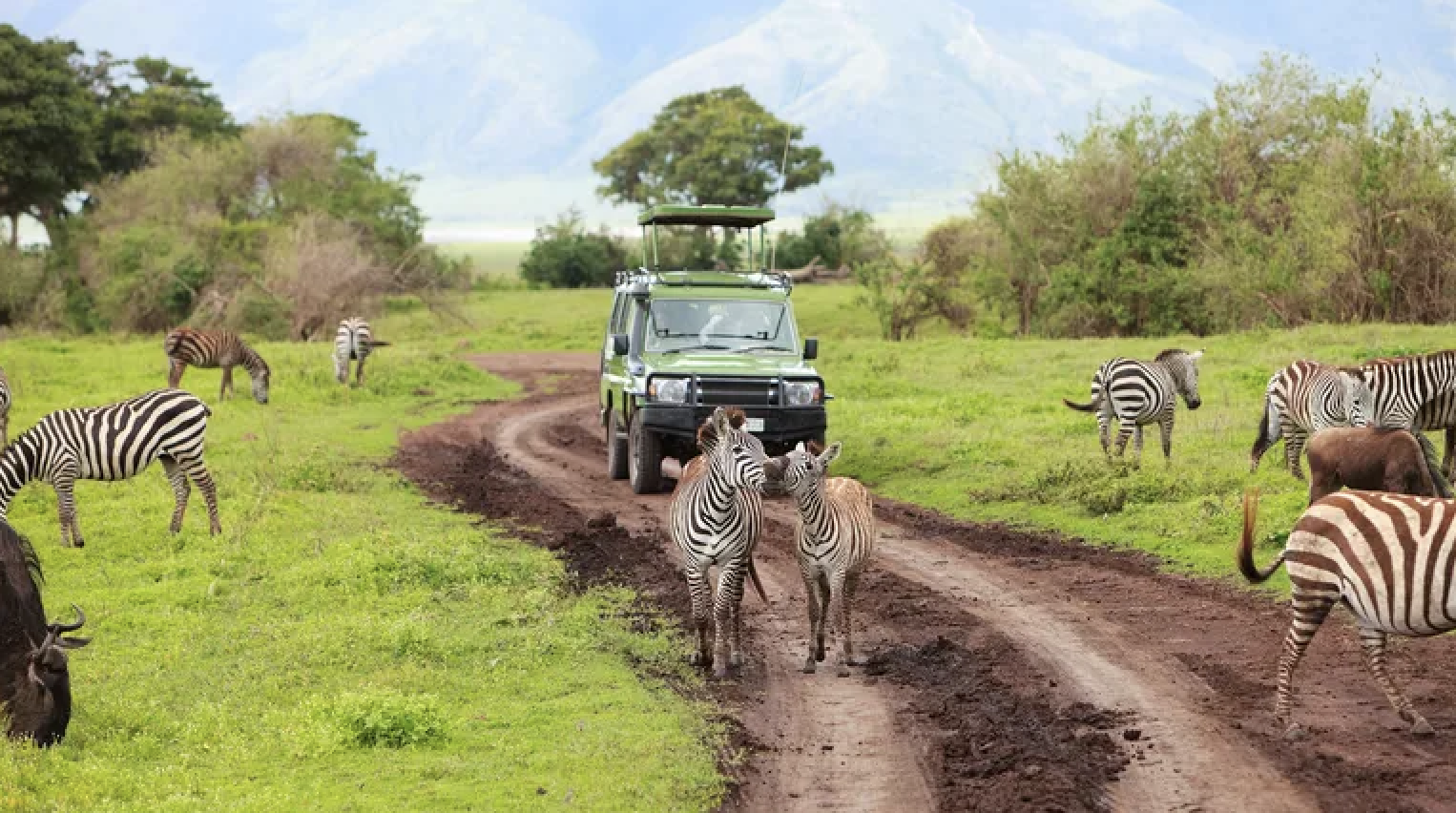
At sunrise on the Serengeti, the plains glow amber and the air vibrates with anticipation. Somewhere behind the acacia trees, millions of wildebeest begin to move, continuing one of the greatest natural spectacles in the world. Scenes like these have long defined Tanzania, but today they tell only part of a much bigger story. Across Africa, Tanzania has become a benchmark for tourism success: confident, diverse and increasingly forward-looking.
Once considered a destination primarily for safari purists, Tanzania has become a continental powerhouse that seamlessly combines wilderness, culture, coastline and conservation. Its emergence is not accidental. It is the result of strategic vision, compelling storytelling and a clear understanding of what modern travelers are looking for: authenticity, scale and meaningful connection.
The allure that never fades
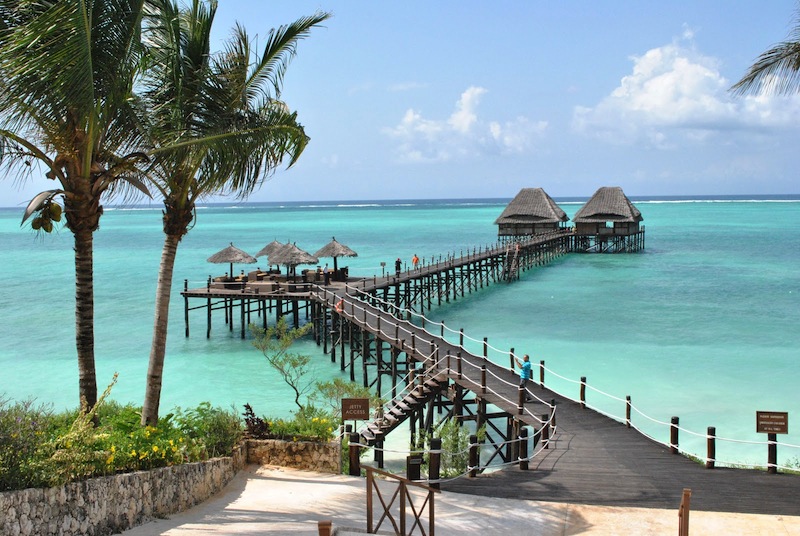
Tanzania’s natural resources are legendary. The Serengeti and Ngorongoro Crater remain unrivaled for the density and drama of wildlife, while Kilimanjaro continues to attract climbers chasing the romance of Africa’s highest peak. But what elevates Tanzania above many of its peers is its reach. In a single trip, travelers can track lions across vast savannahs, wander through ancient Swahili alleys in Stone Town and unwind on the white sands of Zanzibar, where the Indian Ocean changes from turquoise to deep sapphire every hour.
This combination of safari and sea has become the hallmark of Tanzania and appeals to honeymooners, families, photographers and first-time visitors alike. It offers contrast without compromise: adventure followed by ease, excitement balanced by tranquility.
From destination to continental leader
In recent years, Tanzania’s tourism momentum has accelerated significantly, making it one of Africa’s most celebrated destinations. International awards have boosted its status, while improved air access has opened the country to wider global markets. Tanzania has reintroduced itself to the world, not as an emerging destination, but as a mature one: confident, distinctive and deeply rooted.
Crucially, Tanzania has avoided the pitfalls of overexposure. Although visitor numbers have grown, experiences remain intimate, landscapes feel untamed and national parks retain their sense of scale. This careful balance has made Tanzania particularly attractive to travelers seeking depth rather than density.
Culture at the heart of the experience
In addition to the wildlife, Tanzania’s cultural richness adds texture to any trip. From Maasai communities on the plains to Swahili heritage along the coast, the country’s human stories are inextricably linked to its landscapes. Cultural tourism initiatives – village visits, craft cooperatives, guided heritage walks – invite travelers to participate meaningfully rather than observe from a distance.
This emphasis on both people and places has strengthened the social impact of tourism. Local employment, community-owned businesses and shared economic models ensure that the benefits of tourism extend far beyond the walls of the lodges, promoting pride, protection and participation.
Sustainability as a strategy, not as a slogan
Perhaps Tanzania’s most defining achievement is how firmly sustainability is at the heart of its tourism model. Conservation is not an afterthought here; it’s the basics. Large parts of the country are protected and tourism income plays a crucial role in protecting wildlife, ecosystems and migration corridors.
In the hospitality sector, eco-lodges powered by renewable energy, low-impact architecture and responsible safari practices are increasingly standard. The message is clear: growth should serve nature, not undermine it. In an age when travelers are more aware of their footprint, Tanzania’s approach feels not only responsible but quietly progressive.
Shaping the Tanzania of tomorrow
What really sets Tanzania apart is not just what it has achieved, but how consciously it plans for what comes next. Rather than pursuing uncontrolled growth, the country is charting a long-term course that prioritizes sustainability, balance and resilience – ensuring its most valuable assets remain intact for generations of travelers to come.
The core of this vision is diversification. For decades, the northern safari circuit has anchored Tanzania’s global reputation. However, the future looks broader and more layered. Southern and Western Parks – vast, wild and little-visited – are being positioned as the next frontier for safari travelers seeking solitude and deeper immersion. Ruaha, Nyerere, Katavi and Mahale offer rugged landscapes, fewer vehicles and a sense of discovery reminiscent of Africa’s earliest travelogues.
Sea and island tourism is receiving renewed attention along the coast. In addition to Zanzibar’s famous beaches, the future development will emphasize sailing, diving, cultural havens and lesser-known islands, encouraging travelers to engage with Tanzania’s Indian Ocean story in richer, more exploratory ways. This expansion is intended not only to increase choice for visitors, but also to spread economic opportunities more evenly across regions.
Tourism that works for communities
A defining pillar of Tanzania’s future strategy is community-based tourism. Increasing emphasis is being placed on locally owned lodges, cultural experiences and guiding companies that allow visitors to connect directly with the people who call these landscapes home. Training, education and skills development are central to this approach, allowing Tanzanians to play a leading role at every level of the industry.
This model also strengthens conservation outcomes. When communities benefit directly from tourism, wildlife and ecosystems are no longer distant national assets, but shared sources of pride and protection. The future of Tanzanian tourism is by definition one in which visitors do not simply pass by, but participate.
A broader definition of travel
The Tanzania of tomorrow also expands what travel means beyond just safaris. Future plans include conference and business trips, culinary experiences rooted in Swahili and domestic traditions, wellness retreats linked to nature, and urban culture in cities such as Dar es Salaam and Dodoma. This evolution invites returning visitors to rediscover the country through new lenses, returning not only for nature, but also for ideas, flavors and creative exchange.
The silent basis of this shift is digital transformation. Smarter destination management, improved connectivity and more efficient travel systems ensure a smoother visitor experience, while Tanzania remains in control of how tourism grows.

A future defined by intention
Tanzania’s path forward is guided by a rare clarity of purpose. It recognizes that its greatest strength lies not in rapid expansion, but in measured growth – growth that protects wilderness, uplifts communities, and sustains the emotional power of arrival.
While the world searches for destinations that feel real, restorative and responsible, Tanzania is not reinventing itself. It refines what it has always done best: offering vastness, meaning and moments that linger long after the journey has ended.
As the sun sets once again over the Serengeti, casting long shadows across the plains, Tanzania’s future looks as vast (and promising) as the landscapes that made it famous.