SoftBank’s CEO isn’t the only one with questions about Elon Musk’s orbital data center hype
Not everyone believes Elon Musk’s vision of orbital data centers.
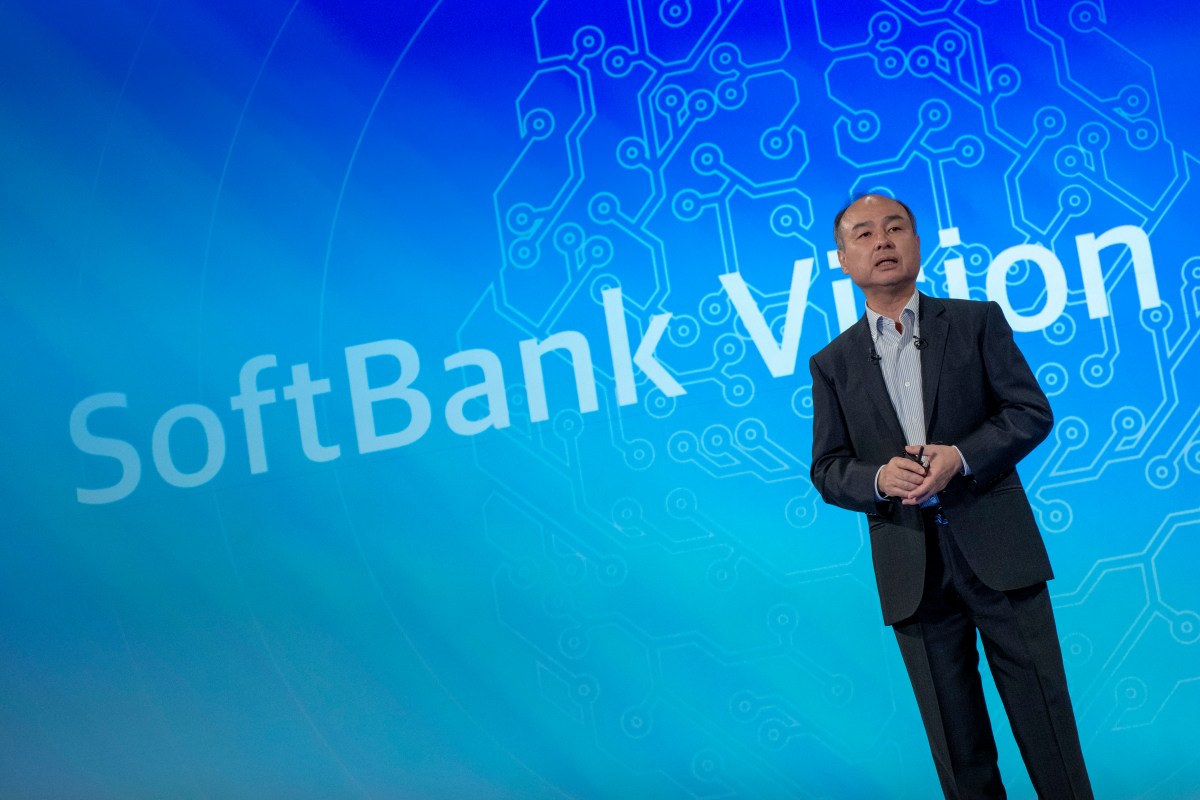
Masayoshi Son, the founder and CEO of Softbank, argued at a recent shareholders meeting that building data centers in space will not do much to reduce costs and will take too long, while “in the battle for AI, the coming years will be far more important than what might happen in a decade or so.”
On the latest episode of TechCrunch’s Equity podcast, Kirsten Korosec, Sean O’Kane and I discussed Son’s comments as part of a broader discussion, including OpenAI’s plans for custom chips, chipmaker Groq’s new $650 million funding, and much more.
Kirsten noted that it’s “very ironic” that Son is playing the skeptic here, given SoftBank’s “long history of wild bets.”
Sean, meanwhile, said that when Musk talks about “creating a constellation of satellites — satellites that also need to be replaced every few years — to form an ‘orbital data center,'” he is only “guaranteing a lot more revenue” for SpaceX.
Keep reading for a preview of our conversation, edited for length and clarity.
Sean O’Kane: Listen, neo-clouds are the new oil, and anyone who wants to make money chooses a neo-cloud. I’m proud to announce that TechCrunch is now a neo-cloud, give us all your money.
I mean, this is what you do. It seems like there are so many players who have computing limitations, so anyone who has an opportunity to rent out that computer takes it, whether that’s Groq, a company that was partially hollowed out by Nvidia, or Allbirds, which went bankrupt and emerged as a new neo-cloud provider instead of selling shoes – Tim Fernholz did an interview with the new CEO of that new initiative that I would definitely recommend people read.
Or whether you’re SpaceX, where your idea was, I’m going to build an AI platform that will have an addressable market the size of US GDP, but before we get there, we’ll just rent out our computer. And we saw this continue to happen with SpaceX, where it’s not as big as the deals they’ve done with Google or Anthropic, but they just signed a new deal. [their] first post-IPO deal, to lease computers to another smaller player. They continue on that path.
You know, I can see this being a Groq thing in the short term. The question with all this is how sustainable it is in the long term.
Anthony Ha: When we talk about SpaceX and their AI business and data center business, we should also talk about the comments that SoftBank CEO Masayoshi Son made recently where he basically said: What is the point of data centers in space? That’s a question we asked on this show.
And it once again speaks to the feeling that there is a real computing limitation in the sector: they have to build as many data centers as possible, [and] There are all kinds of reasons why that’s proving to be a challenge here on Earth, so maybe space is the answer. But I think Son makes some pretty fair points about: all these things we’re talking about, even if it all works – and the costs are going to be very, very serious to make it work – this hasn’t happened for years and years and years, so this is not a solution to any immediate problem as far as the current need for data centers goes.
Kirsten Korosec: I just want to point out that SoftBank has a long history of making wild bets. I think it says something when Son comes out and asks the question that a lot of people have been asking.
I mean, there are a lot of VCs and founders out there [who] have been swept up in the idea of orbital data centers and it seems like everyone is suddenly on board. If someone had said that just a few years ago it would be watered down a bit. So I think it’s an important part of the process for someone with a pretty high profile to ask that question. But I find that very ironic He is the one asking, because when you look at it his pitch deckthey’ve put a lot of money into some pretty bold ideas.
Sean: We work! Listen, we’ll be saying this a lot in the years to come. The idea of putting these things in space is going to be an interesting technical challenge and certainly an interesting economic challenge.
Anthony, what you said is certainly correct to some extent. Elon Musk is someone who hates red tape and you know, there are no NIMBYs in space, so of course he’s going to try that.
To me it comes down to this: the business as it stands now for SpaceX, especially its launch business, is overwhelmingly dependent on Starlink. The reason they’re 80 to 90% of the launch market globally is not only because they’ve done all these things that are better than pretty much every other launch provider around the world, but also because they have Starlink driving that number up. If you take Starlink out of the equation, they would be closer to – I don’t know, maybe 20% or 30% of the launch market, or 40%, but it certainly wouldn’t be 90%.
And when you talk about creating a constellation of satellites — satellites that also need to be replaced every few years — to form an “orbital data center,” quote-unquote, you’re just guaranteeing that your launch operations will bring in a lot more revenue. And I just can’t stop myself from getting back to that point.
Kirsten: I want to say that very quickly [SpaceX’s] other large companies rent out their computers. So back to the chip conversation. The circle is complete.
Anthony: One of the other themes that might come up in this episode is this idea talk your own book. This is not a new phenomenon. Executives at technology companies, or any other company, what they predict for the future is ultimately the future that will be beneficial to their company.
But I think it’s something that’s always worth remembering when we’re having these conversations about big AI companies, because it’s a moment of incredible uncertainty and we’re all wondering: What will the job market look like in the future? What effect will this have on the environment? What are the skills I need to learn?
All these AI CEOs or AI investors, they all have an opinion on that. And it’s not that they’re wrong or that they’re deliberately misleading, but at least there’s an asterisk next to these predictions. In Musk’s case, he’s talking about something that would be very good for SpaceX’s business. In the case of SoftBank, they are investing very, very heavily in data center projects here on Earth. Sam Altman is the other notable figure who is rolled his eyes a little at the idea of an orbital data center – and again, he and Elon Musk clearly have a long and complicated history together.
All of this is to say that there are simply no objective, impartial observers here. It’s all these people with baggage and huge amounts of money at stake.
When you make a purchase through links in our articles, we may earn a small commission. This does not affect our editorial independence.