Scale AI alum raises $9M for AI serving critical industries in MENA
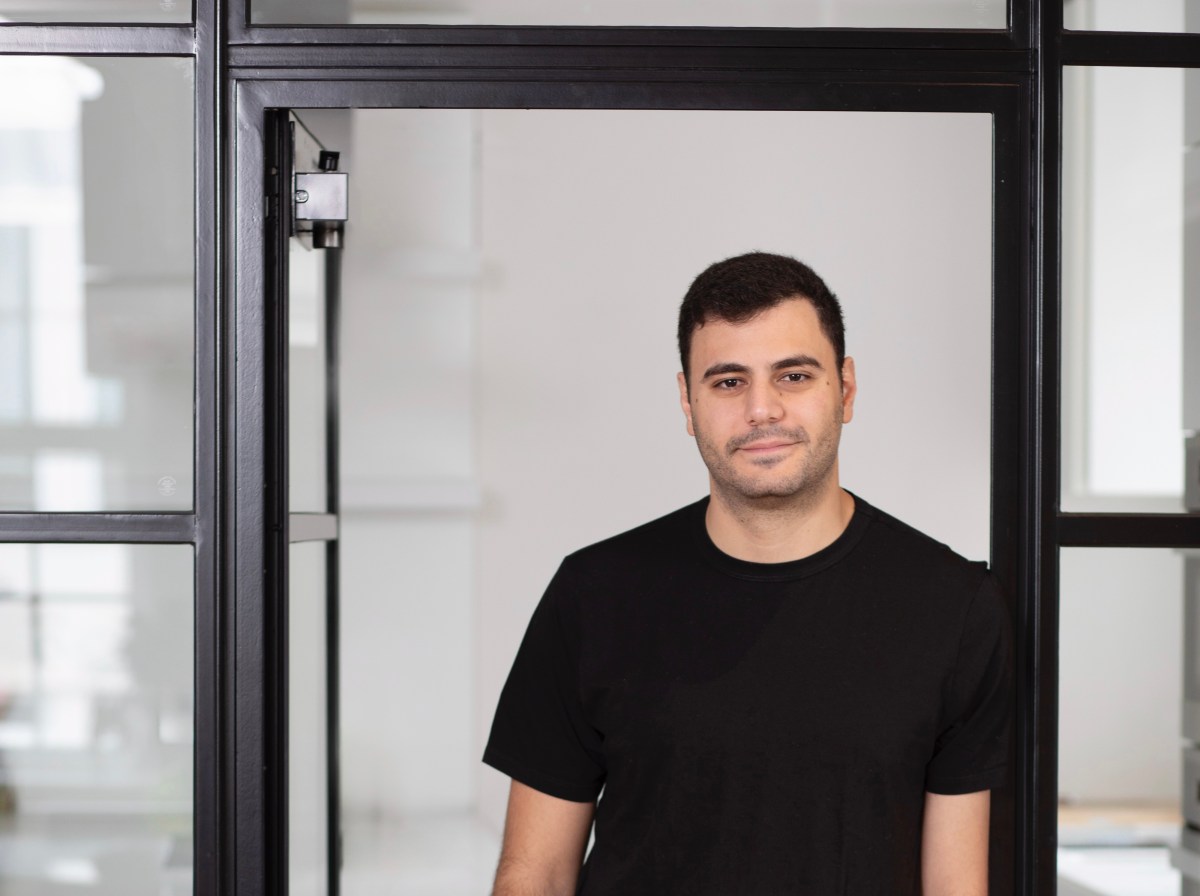
Bilal Abu-Ghazaleh had just moved to London a few days before our call and was splitting his time between there and Dubai.
After nearly a decade in the US, including a stint at Scale AI, he brings that experience to his next venture: 1001 AI a company creating AI infrastructure for critical industries in the Middle East and North Africa (MENA).
The startup recently raised a $9 million seed round led by CIV, General Catalyst and Lux Capital. Other backers include global and regional angels such as Chris Ré, Amjad Masad (Replit), Amira Sajwani (DAMAC), Khalid Bin Bader Al Saud (RAED Ventures) and Hisham Alfalih (Lean Technologies).
Abu-Ghazaleh said his two-month-old company promises to reduce inefficiencies in high-stakes sectors such as aviation, logistics and oil and gas through an AI-native decision-making operating system.
“If we just look at the top three or four sectors alone, such as airports, ports, construction and oil and gas, we see more than $10 billion in inefficiencies in the entire Gulf alone,” the founder and CEO said in an interview with TechCrunch. “That only applies to markets like the UAE, Saudi Arabia and Qatar. Even without counting other sectors, these industries offer enormous opportunities.”
Any efficiencies found in airport operations can increase savings, impacting both the airport and its airlines. Meanwhile, he said nine out of 10 megaprojects in the region are behind schedule or over budget, meaning even small increases in efficiency can save these projects a lot of money.
1001 AI hopes to sell its decision-making AI to new projects after it launches its first product, scheduled for the end of the year. The startup is in talks with some of the Gulf’s largest construction companies and airports, Abu-Ghazaleh said.
WAN event
San Francisco
|
October 27-29, 2025
Born and raised in Jordan, Abu-Ghazaleh moved to the US for college and later joined the Bay Area’s startup scene. After an early product role at computer vision startup Hive AI, he joined Scale AI in 2020 during its rapid expansion. There he rose from operations associate to director of the company’s GenAI operations, scaling the contributor network responsible for annotating and labeling training data.
He would later join Scale’s international public sector unit, which builds AI solutions for foreign governments. But when Meta invested in Scale, the company changed direction and Abu-Ghazaleh left to found 1001 AI.
The Gulf states, especially the UAE and Saudi Arabia, have become some of the most aggressive users of AI in the world. From government-backed ventures like Abu Dhabi’s G42 to the Saudi National Center for AI, governments are investing billions to build local AI infrastructure and attract global talent.
For Abu-Ghazaleh, that mix of appetite, budget and urgency makes the region a perfect testing ground. But unlike most AI startups that focus on software or business tools, 1001 focuses on physical operations in the real world, an area that the company’s investors believe has even greater potential in the Middle East.
“We are extremely optimistic about AI solving problems in the physical world at scale, that is, optimizing the way airports operate flights, how ports move cargo, how construction sites operate,” said Deena Shakir, partner at Lux Capital. “The MENA region offers significant potential in this area with mission-critical infrastructure that is under-digitalized and ripe for transformation.”
While the product is still in development, Abu-Ghazaleh gave a glimpse into how it works. The system pulls data from a customer’s existing software, models operational workflows and issues real-time guidance to improve efficiency.
“Today, an operations manager can manually call someone to reroute a tanker truck or send a cleaning crew to another gate,” says Abu-Ghazaleh. “With our system, that orchestration happens automatically. The AI orchestrator uses real-time data to reroute vehicles, reassign crews and adjust operations without human intervention.”
Unlike most early-stage AI startups that focus on specific sectors, Abu-Ghazaleh says 1001 can be accessible to many because operational flows between sectors often look similar.
That model is based on the accuracy of consultancy and contract work. The team spends weeks with customers and conducts co-development sprints to adapt the systems to the realities of each operation, the CEO said.
“Bilal is building the decision engine to automate that complexity with proven execution at scale and the regional gravitas to make 1001 the platform on which this market will build,” said Neeraj Arora, managing director at General Catalyst.
The new funding will accelerate early deployments in aviation, logistics and infrastructure, while boosting recruitment in engineering, operations and go-to-market roles as the team grows in Dubai and London.
1001 AI plans to launch its first customer deployment by the end of the year, starting with construction. Abu-Ghazaleh wants the company to become the key orchestration layer for these industries in the Gulf over the next five years before expanding globally.