Proposed amnesty law offers political prisoners in Venezuela an ‘opportunity’
The amnesty is aimed at promoting peace, democratic coexistence and national reconciliation as the South American country enters a new era following the seizure of former President Nicolas Maduro by the United States.
It was unanimously adopted by Venezuelan lawmakers on February 5 in the first of two readings.
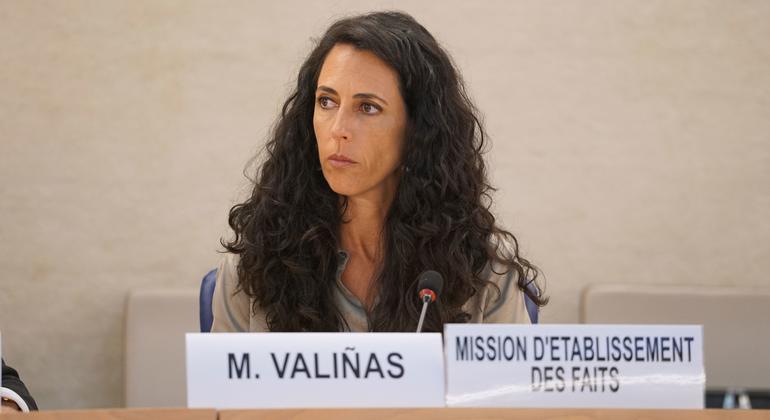
The amnesty “offers an opportunity to deliver justice and alleviate the suffering of the many people unlawfully detained for political reasons in Venezuela,” said Alex Neve, member of the UN Independent International Fact-finding mission to Venezuela.
“This law has the potential to contribute to the restoration of rights and the restoration of Venezuela’s social fabric, but the voices of the countless Venezuelans whose rights have been violated in the country’s prisons, as well as the civil society organizations that have assisted and defended them, should be central to this process”, said Mr. Neve.
The broader picture
After years of political violence in Venezuela, many politicians, activists and journalists have been accused of crimes such as terrorism or treason. human rights groups.
According to media reports More than 300 political prisoners have been released since January 8, but many political prisoners remain in custody.
Transparency essential
The UN human rights experts have expressed concern about how the amnesty will be implemented, saying its “legitimacy and impact depend on a transparent and inclusive process based entirely on international human rights law.”
In a statement released by the United Nations Human Rights Councilthe researchers warned of the “lack of informed, inclusive and safe public consultations“and emphasized the need for ‘a transparent process, with meaningful participation of victims, their families and civil society.’
Call for participation
Fact-Finding Mission expert Maria Quintero stated that it was “advisable that the judicial verification procedure should include the participation of victims and their families, their representatives and human rights organizations, in order to avoid the law being instrumentalized or applied in a manner incompatible with international standards.”
She added: “we must not forget the responsibility.”
While the draft law is being discussed within the Venezuelan government, UN experts have reiterated their call for the “unconditional” release of all political prisonersstating that “it is critical that the process of releasing prisoners, which is already underway, continues without interruption.”
The Council for Human Rights-appointed Independent international fact-finding mission was established to assess alleged human rights violations since 2014.