Pinterest CEO touts open source AI: ‘tremendous performance’ with reduced costs
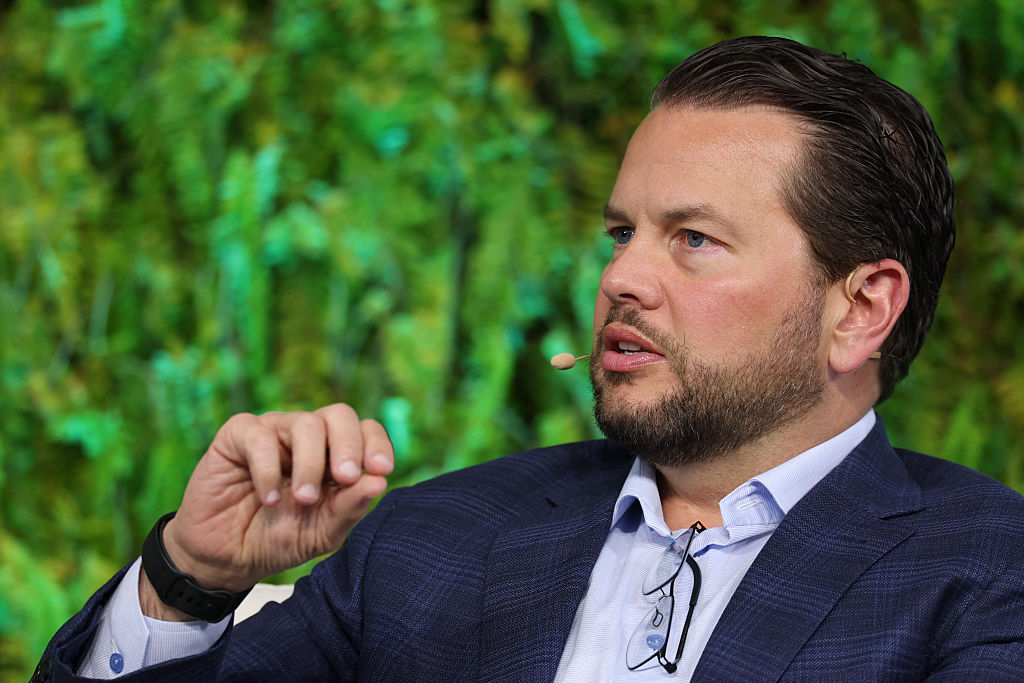
During an earnings call on Tuesday, Pinterest CEO Bill Ready highlighted the promise of open source AI models to help the company keep costs down as it expands use cases for visual AI.
The image pinboard site, which often serves as consumers’ first step in their shopping journey, uses AI technology to power a variety of features including personalized recommendations, a multimodal search experience that combines text and images, ad targeting and, most recently, product discovery with the launch of the AI-powered Pinterest Assistant.
However, investors wanted to know what opportunities Pinterest offers in agentic commerce – AI systems that can trade autonomously on behalf of users – given the rapidly changing AI landscape, and how that could impact its bottom line and growth potential.
That question has become more urgent. During the announcement of its third quarter earnings figures, the company predicted a weaker holiday shopping season than expected, citing President Donald Trump’s tariffs and their negative impact on the home furnishings category. As a result, Pinterest’s fourth-quarter revenue is expected to be between $1.31 billion and $1.34 billion, while analysts on average had estimated $1.34 billion. The news caused the stock to plummet more than 21% on Wednesday.
Despite near-term revenue concerns, Pinterest CEO Bill Ready pointed to ways the company can maximize the use of AI and LLMs (large language models) without dramatically increasing costs. In addition to its own proprietary models already factored into the cost structure, Ready says the company regularly tests leading off-the-shelf models with open source options and finds the open source models promising.
“One of the really, really interesting things we’re seeing is that we’re getting great performance from open source models specifically for Pinterest visual AI use cases,” Ready told investors. “Given current market rates and costs per token, in early testing we see an order of magnitude reduction in costs with comparable performance using refined open source models versus leading off-the-shelf proprietary models.”
He said the company plans to move forward with many open-source models for the different use cases, which would be “a fraction of the cost” of the larger model providers.
WAN event
San Francisco
|
October 13-15, 2026
“We feel very good about the value that we’re bringing to the user there, our ability to align that with monetization, and our ability to control those costs and deliver that effectively,” Ready said.
The executive also touched on other areas where Pinterest is considering how best to use AI, including agentic shopping. Ready said Pinterest already offers “one-touch purchasing” through its Amazon partnership, and that it will wait to see if users actually want the AI to “push the button for them.”

In the meantime, Ready suggested that Pinterest’s biggest differentiator is that it guides the user through the shopping experience – something it hopes to improve. Pinterest assistant, an AI companion that users can talk to and ask for advice and recommendations. The assistant understands the user based on their boards, collages, saved files and how they compare to people with similar tastes, the company says.
Pinterest is also introducing personalized boards curated with AI, which Ready said combines expert human curation and AI.