Photos of the Samaritan Passover on Mount Gerizim (1917) – The Public Domain Review
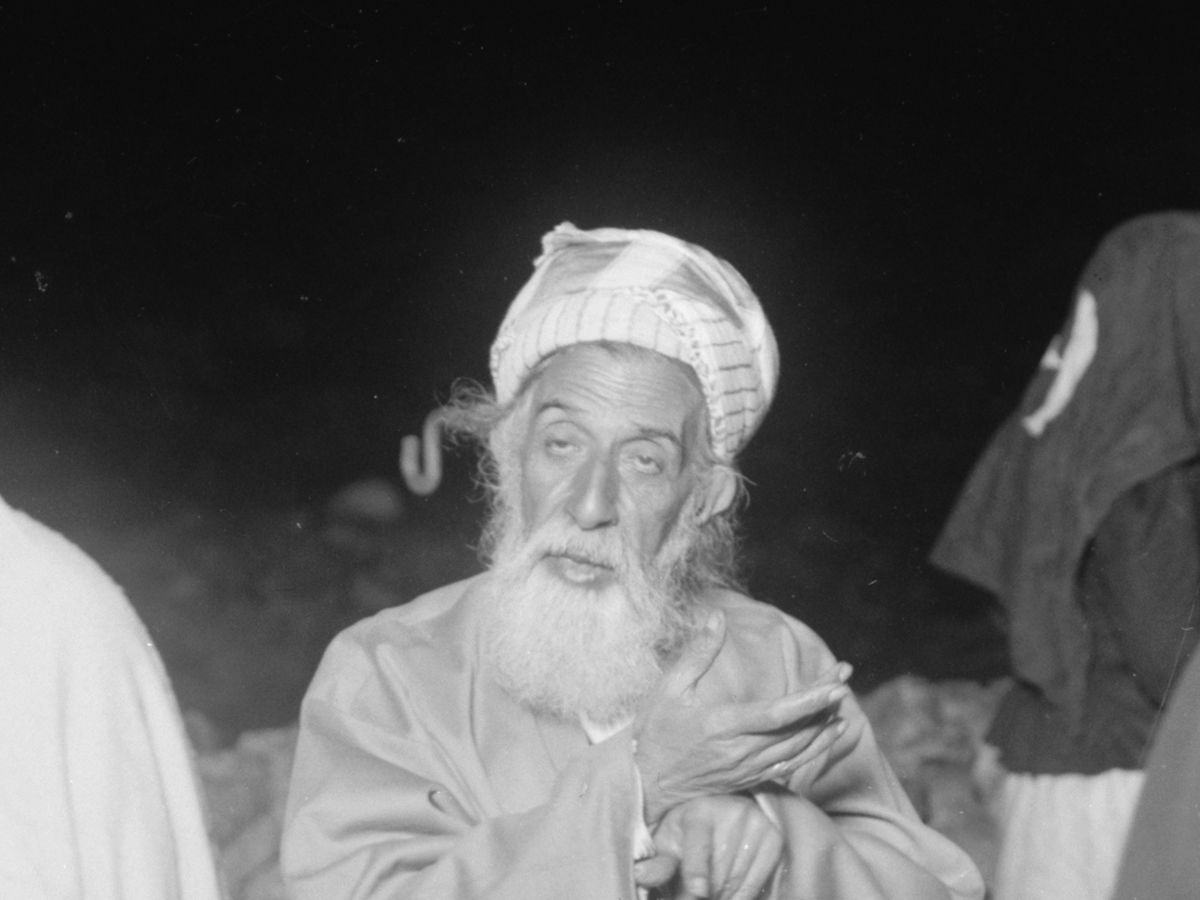
The National Geographic article ends with Whiting going apocalyptic. “As we turn one last glance toward the moonlit camp and the redder glow of the flame with the column of smoke, we cannot help but realize that here we have seen the eating and burning of the last Hebrew blood sacrifice, and there comes the thought that it may never be seen again, for the Samaritans are a dying people.” Fortunately, Whiting was wrong, and the Samaritans continue to practice their religion as they have for some 127 consecutive generations, drawn between the cultures of their geographic neighbors. In 1996, Samaritans in Nablus were granted Israeli citizenship; During Yasser Arafat’s political leadership of the Palestinian Authority, Samaritans were given a seat in the Palestinian Legislative Assembly. “When I am in Tel Aviv, I feel Tel Avivi,” Tomer Cohen, a Samaritan lawyer, told Zeina Jallad, director of the Palestine Land Studies Center, “but when I am in Ramallah, I feel Ramalwi.” Stuck between two worlds, Samaritans today often feel as if they belong completely to neither. In 2001, during the Second Intifada, Samaritan High Priest Yousef Cohen mistaken as an enemy by Palestinian soldiers during a military ambush. He was shot in the leg as he drove his car and accelerated towards an Israeli roadblock, where IDF soldiers shot him again in the same leg less than ten minutes later. “We are a small community,” Faruk Rijan Samira, a Samaritan resident of Nablus, said in 1990, “and so we try to go through the raindrops.”