One year of flying to Net Zero: research points to the need for sector-wide progress | News
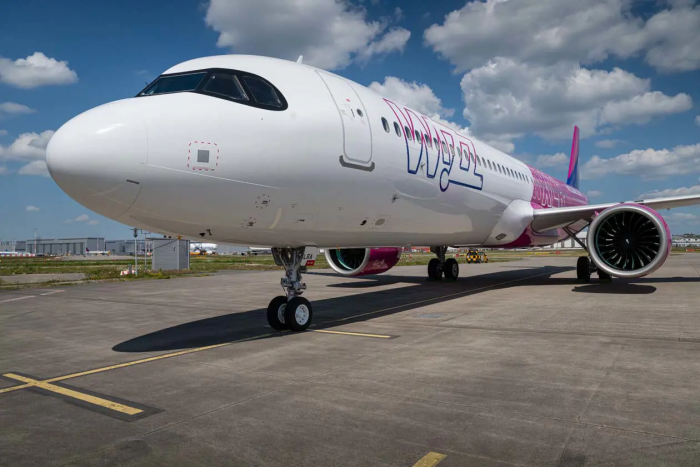
A year after publishing its ambitious Flying Towards Net Zero roadmap, Wizz Air, the leading airline in Central and Eastern Europe, shares new insights from a non-representative passenger survey¹ exploring attitudes to air travel, climate change and the aviation sector transition.
Aviation remains a crucial driver of connectivity and economic activity across Europe, supporting around 86.5 million jobs worldwide and contributing around 3.9% to global GDP². It supports tourism, trade and regional development. As the sector moves towards decarbonization in the long term, balancing the need for accessible mobility with meaningful emissions reductions remains a decisive challenge.
Public understanding of aviation’s climate impact remains uneven, underscoring the need for clearer, evidence-based dialogue. Respondents estimate aviation’s share of global CO₂ emissions at 20.9%, compared to current estimates of around 2.5%³. While the sector’s emissions are significant and need to be reduced, the gap highlights the need for better context around both aviation impacts and pathways to decarbonization.
Demand for air travel continues to reflect structural and social factors. Of the respondents, 40% indicate that they fly three to five times a year, while 35% fly six times or more often. Despite growing awareness of climate change, 69% say their flying frequency has not changed in response to environmental challenges. This suggests that geography, affordability and work continue to influence behavior, raising questions about how to reduce emissions without significantly limiting access to air travel.
Awareness of the long-term trajectory of low-carbon aviation is still evolving. More than 56% of respondents were unaware of the sector’s Net Zero 2050 ambition, and only 24% recognized the target and understood what it means in practice. Awareness of sustainable aviation fuel (SAF) also remains limited, with 73% unfamiliar with the concept, despite ReFuelEU Aviation and the UK SAF mandate coming into force from January 2025.
These findings highlight the complexity of the challenge of aviation decarbonization, much of which lies beyond the passenger’s line of sight. Many of the most impactful measures, including fleet renewal, operational efficiency and the shift to alternative fuels, take place behind the scenes. As the transition progresses, clearer and more transparent communication will be essential to building understanding and trust.
Flying towards Net Zero: one year later
Over the past year, Wizz Air has focused on areas where airlines can have the most direct impact. Today, 75% of the fleet consists of Airbus A320neo and A321neo aircraft, which are designed to deliver lower fuel consumption compared to previous generations. Fleet renewal remains central to the airline’s efforts to reduce CO₂ emissions intensity, alongside ongoing operational efficiency measures across the network.
Wizz Air also supports the introduction of alternative fuels in accordance with legal requirements. The airline is fully compliant with applicable SAF mandates, with sustainable aviation fuel currently accounting for approximately 2% of total fuel consumption. While this will ensure operational readiness as supply increases, SAF’s scale-up will depend on coordinated progress among fuel producers, aircraft manufacturers, airports and policymakers.
Backed by its young fleet and an efficiency-oriented business model, Wizz Air reports an emissions intensity of 50.6 g CO₂ per passenger kilometer over the past twelve months, placing the company among the lowest emitters per passenger kilometer among European competitors⁴.
Progress depends on coordination across the aviation ecosystem. In addition to fleet and fuel, Wizz Air is working with partners including Gen Phoenix on recycled and circular cabin materials, and Geven on lightweight seats designed to improve efficiency. Investments such as Firefly Green Fuels also support the development of sustainable aviation fuel across the wider supply chain.
Sustainability is also integrated into customer engagement through Wizz Air’s Customer First Compass, which combines climate considerations with affordability, operational reliability and customer experience. This reflects a broader push to improve transparency as the airline progresses its Net Zero roadmap.
Dorottya Durucsko, Head of Sustainability and Government Affairs at Wizz Air, said: “One year on from the launch of our ambitious Flying Towards Net Zero roadmap, our focus is firmly on results.”
“We have continued to invest in fleet renewal, with 75% of our aircraft now operating with neo technology. We use sustainable aviation fuel in line with new mandates and implement fuel efficiency measures across our operations, contributing to an emissions intensity of 50.6 grams of CO₂ per passenger kilometer over the past 12 months.
But aviation cannot decarbonize on its own. Progress will depend on coordinated action across the broader aviation ecosystem. As solutions begin to scale, clear and transparent communication will be essential, in addition to maintaining access to the connectivity that aviation provides.”