Mortgage interest rates rise during conflict with Iran
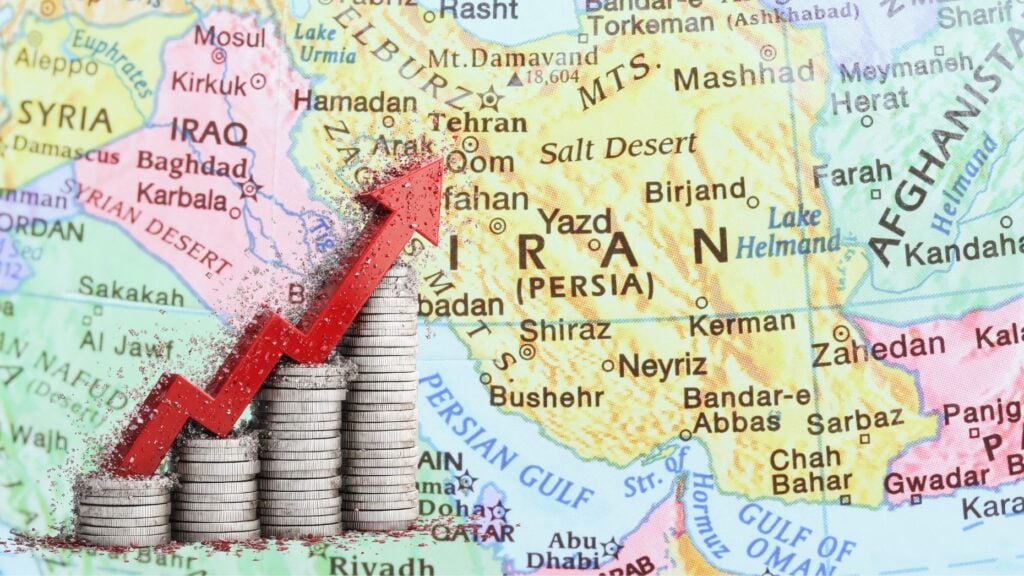
After a week in which the average 30-year fixed-rate mortgage fell below 6 percent for the first time in more than three years, rates reversed to reach 6.15 percent on Tuesday in response to foreign conflict.
Homebuyers who were excited about mortgage rates falling below 6 percent are now likely disappointed as interest rates have entered new areas of uncertainty following the U.S. attack on Iran last weekend.
Last week, the average 30-year fixed mortgage rate fell below 6 percent for the first time in three and a half years, but after conflict erupted in Iran, mortgage rates soared on Monday, hitting a two-week high.
The average 30-year fixed-rate loan rose 13 basis points to 6.12 percent on Monday. Mortgage news daily. On Tuesday, that percentage had risen to 6.15 percent. The move came after the yield on the US 10-year government bond rose above 4 percent again on Monday. Similarly, a spike in oil prices followed the strike and assassination of Supreme Leader Ayatollah Ali Khamenei, reigniting inflation concerns.
Brent crude oil rose more than 8 percent on Monday and rose more than 6 percent on Tuesday, at one point reaching $84.98 per barrel.
When the economy falters, investors shift their money from stocks to bonds, causing prices to rise and interest rates to fall, easing pressure on mortgage rates. That said, rising oil prices increase the likelihood of higher inflation, causing bond prices to fall and yields to rise.
“We see 10-year Treasury yields rising sharply today, implying that inflation fears are the stronger effect,” said Joel Berner, senior economist at Realtor.com. a report from the company. “The conflict has already begun to hamper supply chains and send oil prices soaring.”
Joël Berner | Credit: Realtor.com
Iran produces roughly 3 percent of global oil production, but about 20 percent of global crude oil shipments pass through the Strait of Hormuz, which runs between Iran and the United Arab Emirates. If the conflict spreads further, it could lead to oil shortages or higher shipping costs.
“Oil costs are seeping into the prices of almost every physical thing in the economy, so debt market investors are spooked by the threat of inflation and are demanding higher yields on government bonds,” Berner said.
“Up until this point in 2026, mortgage rates had fallen consistently and relatively rapidly,” Berner continued. “This disruption to the bond market certainly has the potential to reverse these gains, and if we see continued inflation from the conflict, it could be the start of an upward trend rather than just a one-time rebound.”
With the conflict still in its early stages, it is unclear how much mortgage rates will fluctuate in response, but homebuyers can expect a period of volatility, Berner added. Where prices move from here will depend on factors such as how long or extreme the conflict in Iran will last, and how global supply chains respond to the blockade in the Strait of Hormuz.
President Trump initially said he expected the conflict to last four to five weeks, but that prediction is far from certain. While we were talking to reporters during a meeting with Chancellor Friedrich Merz of Germany on Tuesday, the president acknowledged that oil prices could be high “for a short while” but asserted, “once this ends, those prices will, I think, fall lower than even before.”
Email Lillian Dickerson