Maduro seized, norms tested: The Security Council is divided as the crisis in Venezuela deepens
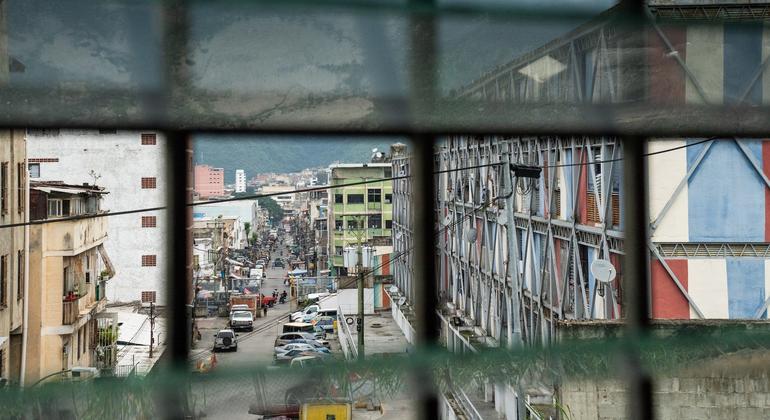
Why it matters: Council members are divided over whether Washington’s move upholds accountability — or undermines a fundamental principle of the international order.
Some delegations argue that the action was exceptional and justified; Others warn that there is a risk of normalizing unilateral violence and eroding state sovereignty.
The UN Secretary General set the tone, warning that international peace and security rests with all member states adhering to the agreement UN Charter — language that fueled a debate likely to reveal deep and lasting divisions within the New York chamber — all as the Venezuelan leader appeared in a federal courtroom downtown, just a few miles away.
US Ambassador Michael Waltz addresses the Security Council.
US: law enforcement operation, not war
The United States rejected the characterizations of its actions as military aggression, describing the operation as a targeted law enforcement measure facilitated by the military to apprehend an indicted fugitive.
Ambassador Michael Waltz said:
- Nicolás Maduro is not a legitimate head of state after the disputed 2024 elections.
- Saturday’s operation was necessary to combat drug trafficking and transnational organized crime that threaten U.S. and regional security.
- Historical precedents exist, including the 1989 arrest of former Panamanian leader Manuel Noriega.
“There is no war against Venezuela or its people. We are not occupying any country,” he said. “This was a law enforcement operation in furtherance of lawful charges that have existed for decades.”
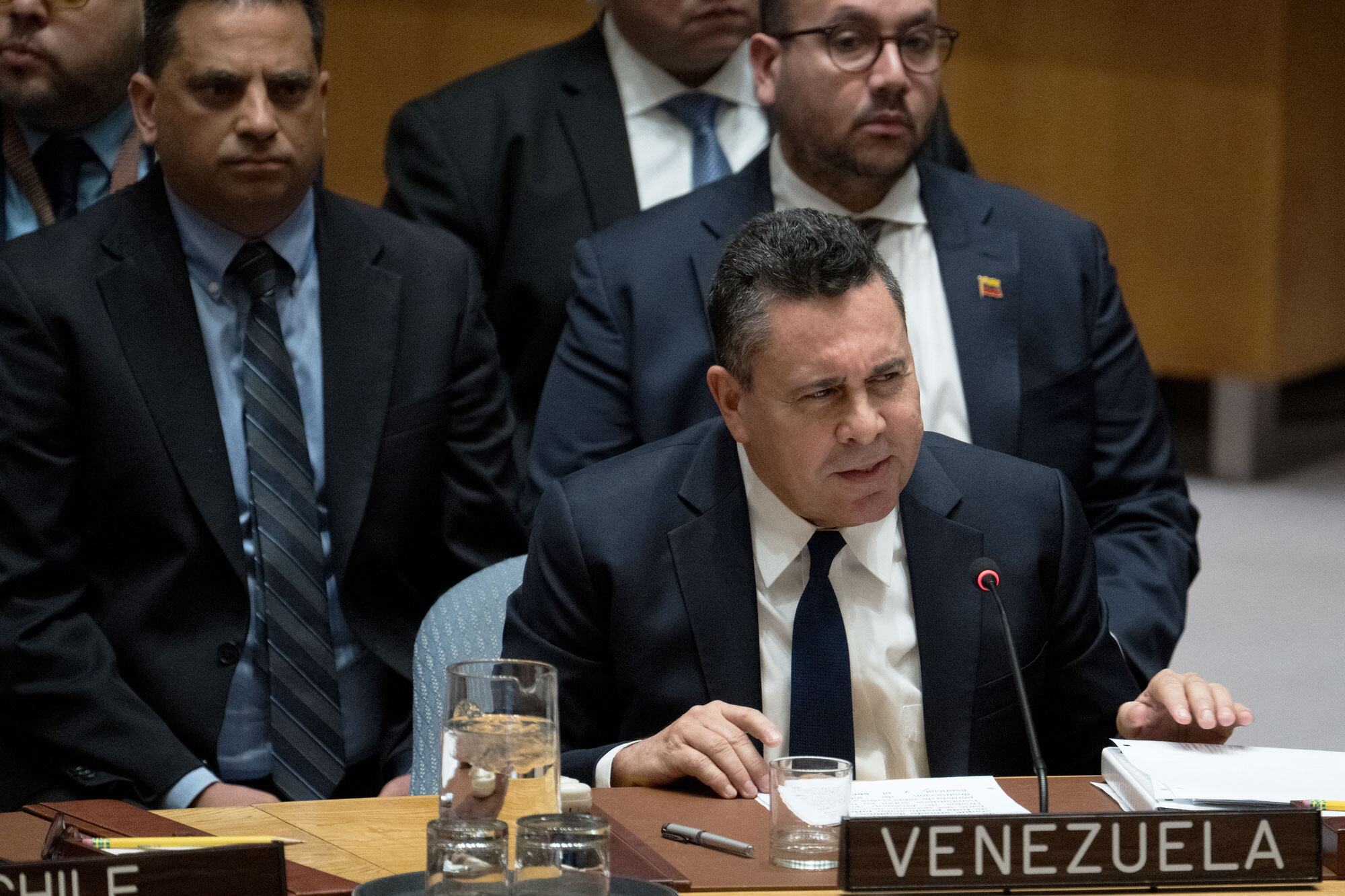
Venezuelan Ambassador Samuel Moncada addresses the Security Council.
Venezuela: sovereignty violated; a dangerous precedent
Venezuelan Ambassador Samuel Moncada described his country as the target of an unlawful armed attack without any legal justification, accusing the US of bombing Venezuelan territory, the loss of civilian and military lives and the “kidnapping” of President Nicolás Maduro and First Lady Cilia Flores.
“We cannot ignore a central element of this American aggression,” he said. “Venezuela is subject to these attacks because of its natural resources.”
He called on the Council to act within the Charter’s mandate and urged that:
- The US is required to respect the immunities of the President and his wife and guarantee their immediate release and safe return;
- The use of force against Venezuela must be clearly and unequivocally condemned;
- The principle of not acquiring territory or resources by force must be reaffirmed; And
- Measures must be taken to de-escalate tensions, protect civilians and restore respect for international law.
Article 2 of the UN Charter in a nutshell
The basic rules for global cooperation
Article 2 sets out the core principles that govern how countries work together under the United Nations. This is what it means:
- Equality for all countries: Every Member State, large or small, is treated equally.
- Keep your promises: Countries must keep the promises they made when joining the UN.
- Peaceful problem solving: Disputes must be settled without violence to protect peace and justice.
- No violence or threats: Nations may not use force or threaten the independence or territory of others.
- Support the UN’s actions: Members must help the UN when it acts to maintain peace – and never those who oppose it.
- Influence beyond membership: Even non-member states must follow these principles when peace and security are at stake.
- Hands off domestic affairs: The UN cannot interfere in a country’s internal affairs – except when enforcing peace under Chapter VII, which deals with actions to maintain international peace and security.
Read more about the UN Charter here.
Concerns about the use of force
Several Council members and others invited to participate expressed deep concern about the US military action and firmly anchored their positions in the UN Charter.
Colombia, Brazil, Mexico, Chile and Panama underscored their region’s long-standing declaration as a peace zone and warned that unilateral military action could destabilize the Western Hemisphere and worsen the flow of refugees.
- Colombia, in its first intervention as an elected member of the Council, rejected “any unilateral use of force” and warned that civilians would invariably pay the highest price.
- Brazil said the bombing and seizure of a head of state crossed an “unacceptable line” and warned of the erosion of multilateralism.
- Mexico emphasized that externally imposed regime changes violate international law, regardless of political differences.
Ambassadors also cited a worrying human rights situation in Venezuela and the suffering of civilians, and stressed the need to ensure compliance with international law:
- The United Kingdom highlighted the long-standing suffering of Venezuelans – poverty, repression and mass displacement – while underscoring that respect for the UN Charter and the rule of law are essential to global peace and security.
- Denmark and France recognized the need to fight organized crime and protect human rights – but warned that counter-drug and accountability efforts must be pursued through lawful, multilateral means.
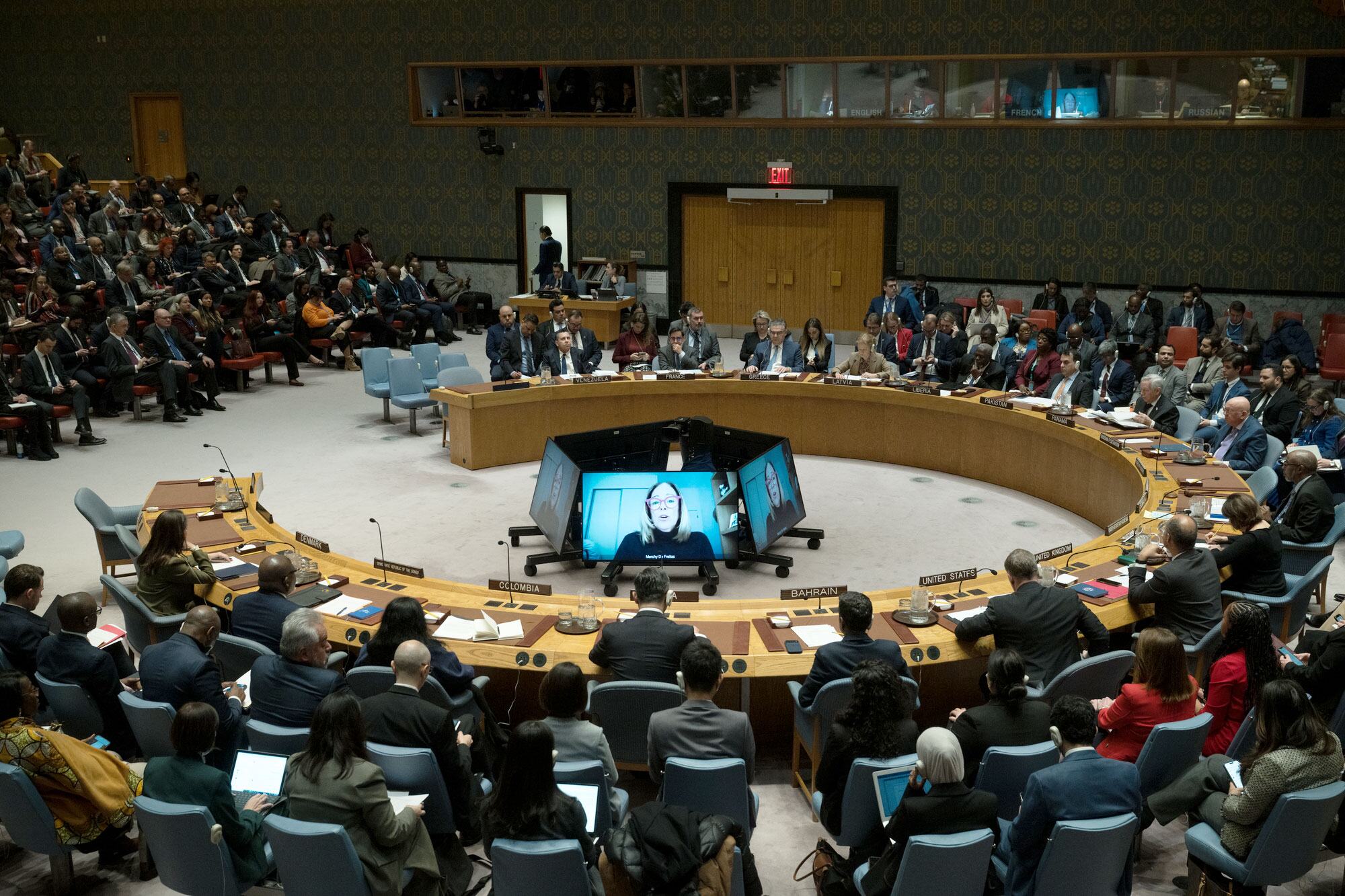
A broad view of the Security Council meeting on the situation in Venezuela.
Regional voices support US action
A smaller group of countries from the region thought differently.
- Argentina praised the US operation as a decisive step against drug trafficking and terrorism, arguing that the operation and the removal of Mr Maduro could open a path to restoring democracy, the rule of law and human rights in Venezuela.
- Paraguay also welcomed the removal of Mr. Maduro and called for the immediate restoration of democratic institutions and the release of political prisoners, while insisting that the transition would be through democratic means.
The credibility of the Charter is at stake
Russia and China provided some of the strongest criticisms, characterizing the U.S. action as armed aggression and warning against the normalization of unilateral violence.
This position was echoed by countries outside the Americas – including South Africa, Pakistan, Iran and Uganda – which warned that the selective application of international law risks undermining the entire collective security system.
Representatives of Moscow and Beijing called for the immediate release of President Maduro and emphasized the inviolability of the immunity of heads of state under international law, viewing the situation as a test of whether the principles of the Charter apply equally to all states.