King Charles and Prince William’s staggering wealth revealed
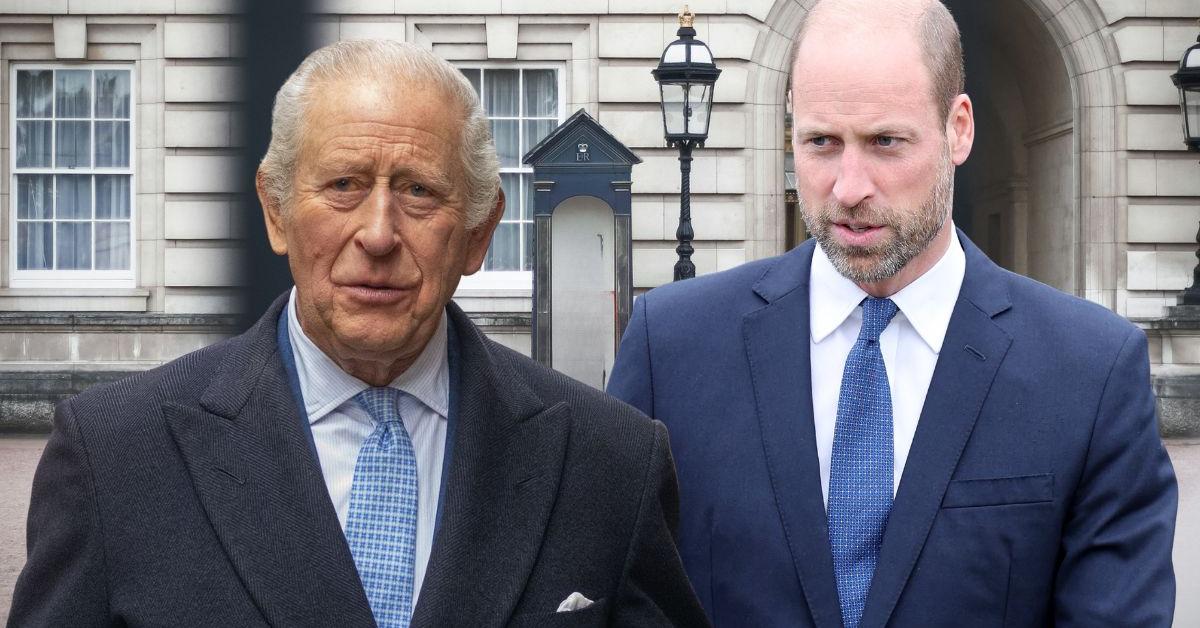
King Charles is facing renewed scrutiny over the extent of the royal wealth after the latest financial revelations highlighted the vast fortunes of both the monarch and his heir, with the wealthier Prince William’s estimated assets now eclipsing those of his father at a time when millions of Britons continue to struggle with a cost-of-living crisis.
RadarOnline.com can reveal that the debate follows the publication of the Royal Household’s latest financial statements, which revealed that ruler Charles, 77, has become the first British monarch to voluntarily disclose his personal tax payments since taking the throne.
The revelations also shed new light on the financial position of his eldest son William, 44, whose control of the Duchy of Cornwall gives him an estimated fortune of $1.6 billion, compared to the king’s estimated fortune of $898 million.
The figures have sparked renewed debate over the extent of royal wealth, government funding and whether the monarchy should provide more transparency about its finances.
Despite his personal wealth, Charles has long cultivated a reputation for frugality.
The king has often been photographed in worn suits and jackets, and during a visit to a mosque in London’s Brick Lane in 2023 he was pictured wearing a hole in his sock after taking off his shoes to meet worshippers.
However, the latest accounts also detail the ongoing costs associated with the monarchy.
The Royal Train, which will be withdrawn after another year of service, incurred $211,000 in operating costs despite being used only four times in the reporting period.
Helicopter flights also remained a significant expense, with the King and other members of the Royal Family making 177 trips at an average cost of around $5,000 each.
The Sovereign Grant, funded from the profits generated by the Crown Estate and supporting the King’s official duties and the running of the Royal Household, has also attracted attention after being increased under the latest scheme.
Charles has been advocating for a slimmer monarchy for years and trying to modernize aspects of the institution.
As Prince of Wales, he voluntarily published details of his tax payments, an obligation he fulfilled as king by becoming the first reigning monarch to make public the amount of income tax and capital gains tax he pays.
The king has also continued to carry out a demanding public schedule while undergoing treatment for cancer, fulfilling more official duties than any other member of the royal family during the last year under review.
Attention has also focused on Charles’ decision to stay at Clarence House rather than move to Buckingham Palace once the building’s extensive renovation is complete, despite the renovation costing almost $530 million.
William also tried to emphasize reform.
The latest reports from the Duchy of Cornwall reveal that the Prince of Wales plans to sell around 20 percent of the estate’s land holdings over the next decade, with the proceeds earmarked for sustainable investment and community housing projects.
The revelations come as campaigners and constitutional commentators continue to debate whether the monarchy’s existing financial arrangements strike the right balance between maintaining the institution’s independence and meeting growing public expectations of accountability.
The publication of tax payments was welcomed as an unprecedented step, but questions about the extent of the royal wealth and the long-term financing of the monarchy continue to fuel debate about how the institution should evolve in the coming years.
A former palace aide admitted: ‘At a time when so many families are struggling to pay the bills, figures like this will undoubtedly make people wonder whether the monarchy really understands the pressures ordinary households face.
“Publishing tax payments is one thing, but it doesn’t answer the bigger question of how anyone can justify such extraordinary levels of wealth while receiving public funding.
“Greater transparency is welcome, but transparency without accountability risks looking like a PR exercise rather than meaningful reform.”
The insider noted: ‘People will inevitably compare these fortunes with the financial realities facing millions across the country. That’s a difficult contrast for the royal family to overcome.
“The monarchy cannot expect applause for revealing tax payments when the wider financial picture still leaves the public with more questions than answers about their vast wealth.”