Is the popularity of Japan’s prime minister just a ’honeymoon’?
TOKYO – Since taking office in October, Japanese Prime Minister Sanae Takaichi has enjoyed unprecedented popularity and a period of relative calm. Her tough-talking style earned her a mandate to govern how she likes – until now.
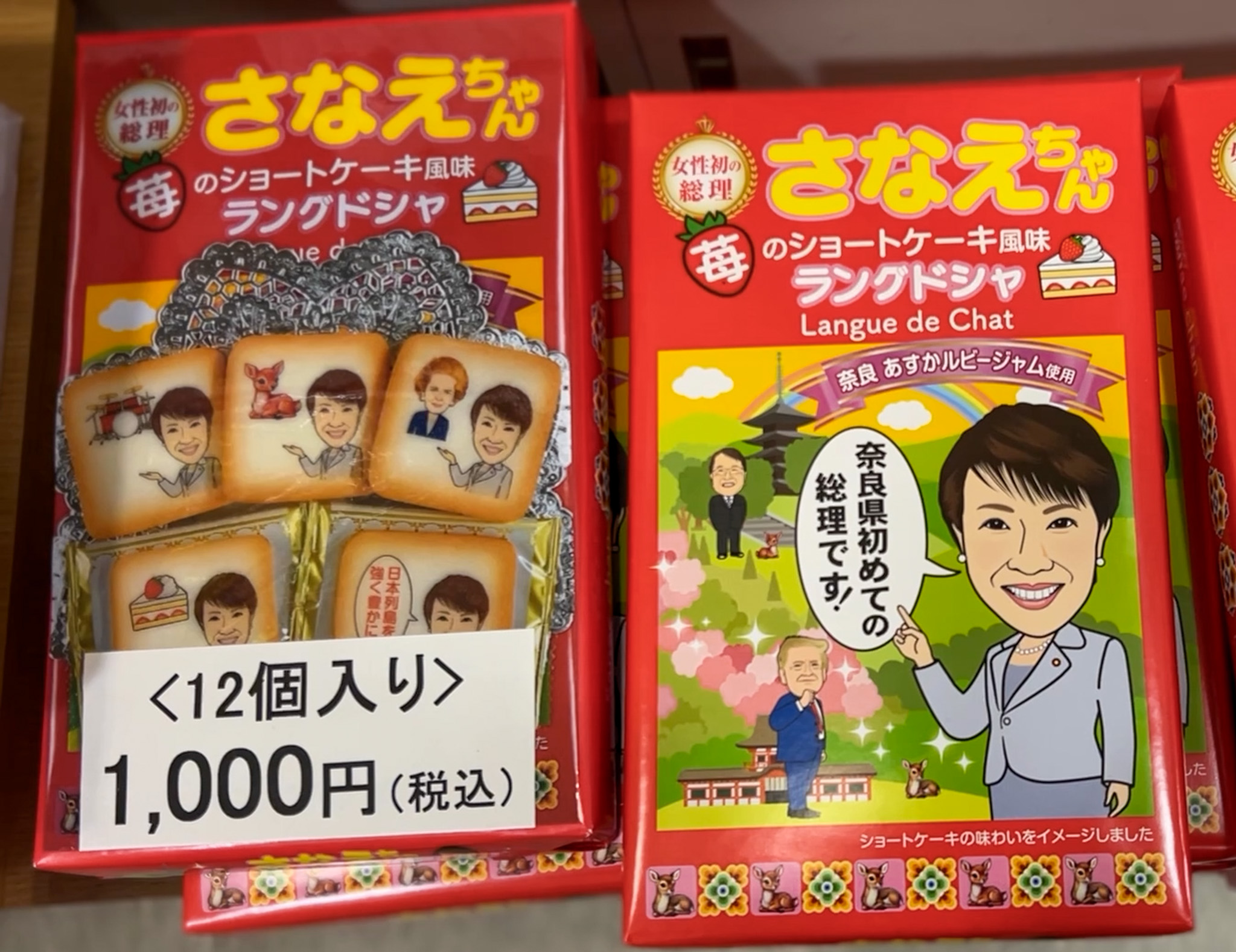
The cultural phenomenon of “Sana-Mania” – the term coined to describe the craze around the country’s first female leader – overtook the country. Takaichi’s handbag of choice, made by Japan-based company Hamano, is sold out until October 2026, according to a company spokesperson. The Mitsubishi Pencil Co. that makes the pens she uses saw a spike in sales, too. Cookies, keyrings and board games with her face on them can be found in the political-themed stores in Tokyo.
Her widespread following across demographics led to a supermajority victory in Japan’s Lower House elections in October. Her Liberal Democratic Party (LDP) won 316 out of a possible 465 seats.
According to political pollster Kunikazu Suzuki, her campaign promises – to make Japan strong and prosperous – combined with her bold personality are the reason she is so popular.
Her carefully crafted public persona won her a 70% approval rating at the time she called a snap election. The conservative leader is particularly popular in Tokyo, Suzuki noted.
“Takaichi was very active, (for example) playing the drums with the Korean president. It plays so well with the media,” said Kiyoteru Tsutsui, director of the Shorenstein Asia-Pacific Research Center at Stanford University.
However, a member of her own party, Hiroshi Yamada, said she is in a “honeymoon” phase with the public that won’t last long.

“I think her current popularity is temporary,” the House of Councillors member said. “We have a long way to go.”
Takaichi is facing serious challenges. The country’s reliance on foreign energy imports – 90% of Japan’s oil goes through the Strait of Hormuz – and escalating tensions with China present major hurdles for the new leader.
“Japan is facing major issues, especially one that divides the public into those for and against,” he added.
Yamada is referring to the proposed amendment to Article 9 of the Constitution, which would allow Japan to arm itself for the first time since World War II. The LDP supports the amendment and has a mandate to push for the change. But bolstering Japan’s ability to defend itself or Taiwan against China will likely divide public opinion, he said.
The number one issue that she will be judged on will be the stagnant economy, Yamada said, which has been a pain point since the 1990s. Takaichi campaigned on cutting taxes and investing in AI.
-

Merchandise for fans of Prime Minister Sanae Takaichi in the National Diet Gift Store on March 11, 2026. (Photo by Aoife Kane /Cronkite Borderlands Project) -

The office of Hiroshi Yamada, a Liberal Democratic Party member of the House of Councillors, in Tokyo on March 13, 2026. (Photo by Aoife Kane/Cronkite Borderlands Project) -

The office of Hiroshi Yamada, a Liberal Democratic Party member of the House of Councillors, in Tokyo on March 13, 2026. (Photo by Aoife Kane/Cronkite Borderlands Project)
Takaichi, 65, grew up in the rural Nara Prefecture and cuts a stark contrast to her predecessors, who have traditionally come from political dynasties. Domestically, Takaichi has been criticized for being too traditional and for not advocating for women.
“She’s not our woman prime minister,” said Erico Sakamoto, a demonstrator at the Tokyo Women’s March. “She is living in the man’s society, as a man.”
Takaichi wants women to stay home, raising children, while men are out working,
“It’s not modern,” said Coco, another demonstrator.
A relative newcomer to the world stage, Takaichi has leaned into the U.S.-Japan relationship, flattering President Donald Trump during a White House visit in March and promising to make Japan invest $550 billion into the U.S.
Trump endorsed Takaichi before her election, calling her a “winner.”
This relationship between both heads of state provides security and acts as “an umbrella” for Japan, said Kelly Moeur, honorary consul of Japan in Phoenix.
“They get along,” Moeur said. “I think she was aware of the fact that he likes praise. She was nice to him, and they have a good relationship.”
Sana-Mania may only last as long as she can deliver for Japan. She will remain in power until 2029, unless she decides to call another election.
“The LDP lawmakers will definitely try to prop her up so that they can continue to have these electoral victories,” said Romeo Marcantuoni, a professor of Politics at Temple University in Tokyo.
“But, she will still have to be challenged based on foreign affairs, now the situation with America and the war with Iran. And those are not necessarily challenges she is in a great position to tackle right now.”
Related

Source link