Is Egypt safe to visit? Travel advice 2025
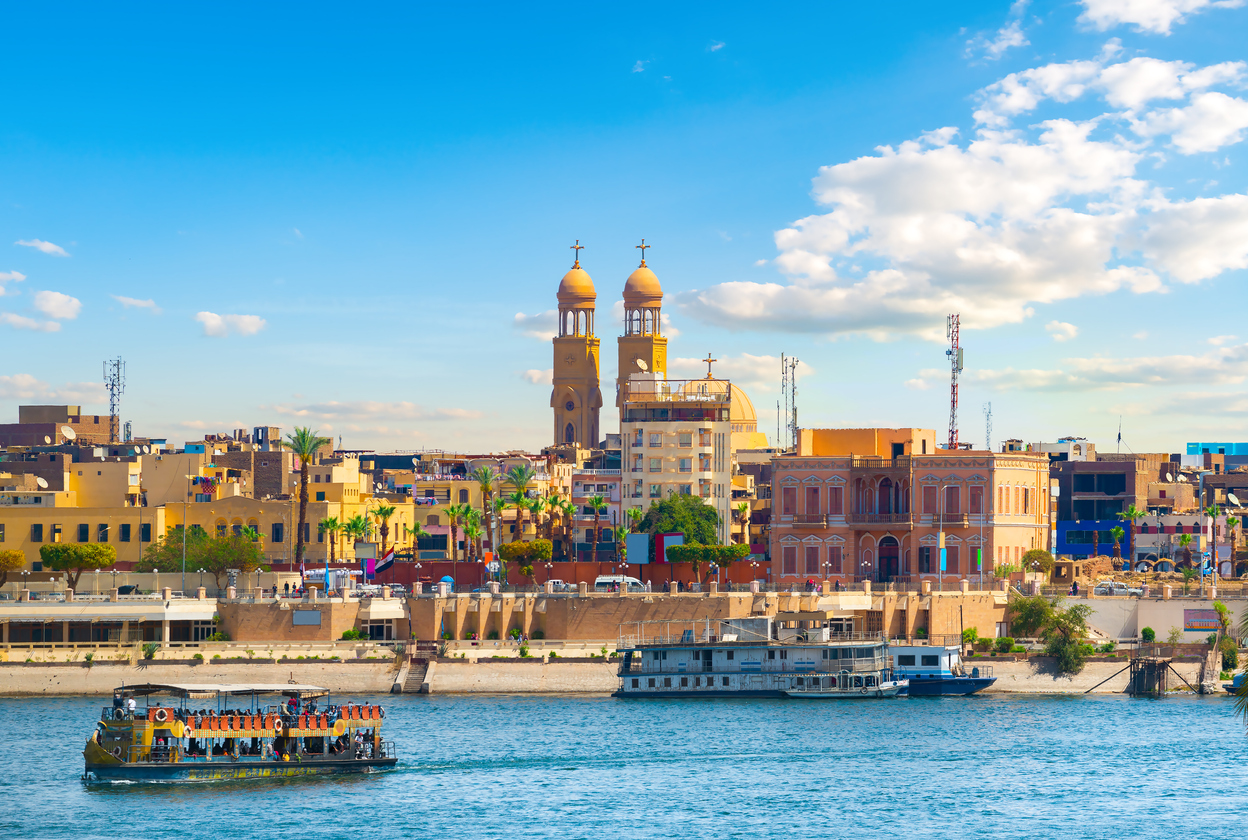
Egypt remains a place that many travelers still consider as a bucket list destination. However, the security environment presents a combination of modest risks and evolving caveats. While large parts of the country continue to welcome tourists with relative calm, certain regions and activities call for increased caution.
Overall, Egypt can be safe for travelers who remain vigilant, choose reputable providers, and avoid higher-risk zones. Still, the phrase “safe to travel” is definitely qualified by region, activity, and preparedness.
Is it safe to travel to Egypt during the regional conflict and wider risks?
Although Egypt is not directly involved in the conflict between Israel, Hamas and Iran, the regional security environment remains complex and can indirectly affect travel. Authorities and travel advisory bodies continue to cite risks including terrorism, crime and incidents in border or remote areas.
In popular tourist areas such as Cairo, the Nile Valley (Luxor/Aswan) and the Red Sea resorts, many trips are without incident. However, there is no guarantee of security, and the possibility of “lone-wolf” attacks or other security events with little warning cannot be ruled out. The decision to travel must therefore be made with a clear awareness of the risk profile, preparation for contingencies and the selection of trusted operators and accommodation.
Official travel advice
US travel advice
As of July 15, 2025, the United States Department of State has classified Egypt as Level 2: Be extra careful. The advice highlights the risks of terrorism, crime and healthcare restrictions.
It further specifies Level 4: Do not travel Unpleasant:
- North and Central Sinai Peninsula due to terrorism.
- The Western Desert, unless with a professionally recognized travel agency.
- Border areas due to military zones (e.g. near Libya, Sudan).
The advice also emphasizes that the US embassy has done so limited power to assist dual US-Egyptian citizens who have been arrested or detained.
UK Travel Advice (FCDO)
The Foreign, Commonwealth & Development Office (FCDO) advises or restricts travel to several specific areas in Egypt:
- Don’t travel: the North Sinai Governorate (including the Taba-Suez road), and within 20 km of the Egypt-Libya border (except the city of El Salloum, where only “essential travel” is allowed).
- Reconsider travel: South Sinai (except the southern coastal area of Sharm el-Sheikh), parts of Ismailiyah east of the Suez Canal, the Western Desert (outside the Nile Valley and Delta), the Hala’ib Triangle / Bir Tawil.
- Be extremely careful: In many other areas, including the Nile Valley, the Giza region and popular tourist corridors.
In short, many mainstream tourist destinations remain accessible, but the advice emphasizes that the risks are real and that certain areas should only be avoided or entered with caution and good planning.
Latest updates/news from Egypt
- March 27, 2025 – Submarine accident of the Red Sea: A tourist submarine owned by a company sank near Hurghada, killing six Russian tourists and injuring dozens of others.
- August 23, 2025 – Student drowning incident in Alexandria: At least six students drowned and 24 others were injured during a school trip to Abu Talat beach. Authorities ordered the beach closed and issued warnings.
- April 2025 – Congestion at tourist locations and scams are on the rise at the pyramidsThe area around the Pyramids of Giza is undergoing a major revamp in response to a large increase in visitors (17.5 million by 2024) – but there are also reports of aggressive street vendors, scams and crowd management issues.
These incidents highlight that although tourism infrastructure exists, safety standards and supervision in some activities (especially maritime/boat/tour operators) may not meet expectations, and non-safety hazards (such as drowning and accidents) are also present.
Common scams and pitfalls to look out for when in Egypt
Although much of Egypt’s crime against foreigners is opportunistic rather than organised, the traveler should be vigilant. Typical risks include:
- Overpriced items / pitfalls when negotiating – especially at village markets and popular tourist spots; negotiate courageously.
- Fake ‘crying’ stories — individuals may portray extreme distress (e.g., lost family, illness) to raise money.
- Beach/water related theft or accidents – leaving valuables unattended while swimming, or underestimating the conditions.
- Pickpocketing – especially in busy locations; keep important documents (passport) safe, consider leaving originals in a secure hotel safe.
- Guides or transport without a permit — only use guides recommended by hotels or licensed operators.
- Taxi scams / overly friendly drivers — agree on the future rate, check permits; avoid drivers who offer “great deals” unsolicited.
- Fake police or officials — request identification; One method is to contact the local station if in doubt.
- Fake cashiers/bill switching in cafes and bars — pay with your debit card if possible, double-check amounts, save your PIN code.
Summary
Yes – it is It is now possible to travel to Egypt, and many travelers do so safely. But the environment is not without risks. Popular tourist destinations remain accessible, but the advisories make it clear: certain areas should be avoided, local risks (terrorism, crime, accidents) remain and the traveler should be careful, prepared and flexible.