Is Dubai safe now? Travel advisories increase after reported Iran-linked missile attacks

Dubai remains operational and generally calmbut the regional security picture has changed rapidly following reports of Iranian missile activity in parts of the Gulf.
Several governments and major airlines have issued this new alerts and operational updatesand is the greatest short-term risk to visitors travel disruption– especially sudden airspace restrictions, diversions and last-minute cancellations.
What official opinions say today
The British Foreign, Commonwealth & Development Office (FCDO) updated are guidelines for the United Arab Emirates February 28, 2026and told British nationals in the UAE to do so avoid traveling and stay indoors in the midst of “reported rocket attacks.In the words of the government: “British nationals in the UAE must shelter in place immediately.”
These guidelines do not label Dubai as uniquely dangerous, but indicate that authorities consider the broader situation volatile enough to warrant this shelter and restriction of movement. Travelers should view this as a material escalation from routine “be careful” messages.
What’s happening on the ground in the UAE
UAE officials said air defense intercepted ballistic missiles and reported debris falling in residential areas causing property damage. In addition, the UAE report detailed emergency warnings and safety instructions issued in response to rocket activity, including calls for residents to take cover.
These stories underscore that – even as Dubai functions normally in many districts – the UAE is responding to a crisis unprecedented regional security incidentand circumstances can change quickly.
Airports and flights: the most immediate risk for travelers
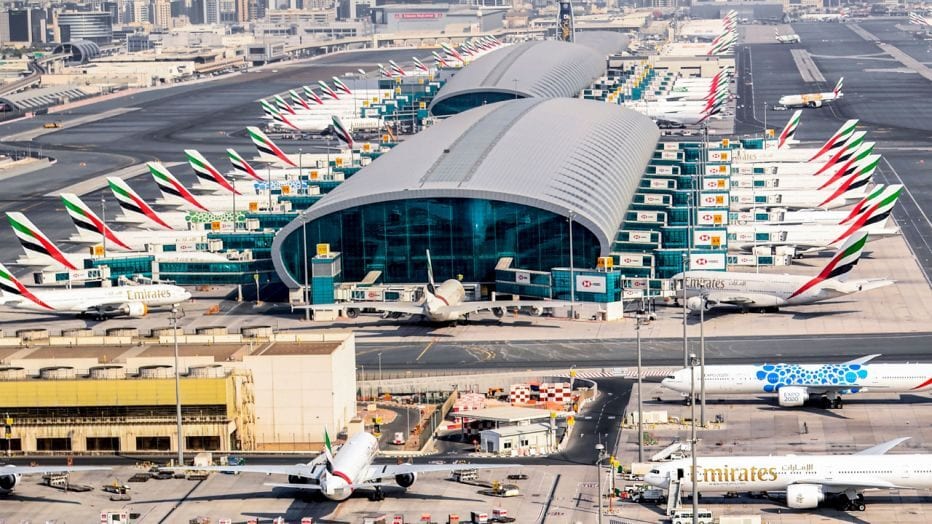
For most visitors the most practical impact aviation volatility. Travel reports show partial airspace restrictions and knock-on effects for routes passing through the region, with airlines canceling or diverting services. One report highlighted flight cancellations affecting the Heathrow-Dubai corridor and wider disruptions to Middle East routes.
If you’re traveling soon, assume quick schedule changes are possible even if your flight is currently “on time”. In these situations, disruptions often result from airspace closures in nearby corridors (not necessarily Dubai’s airspace itself), causing cascading delays and diversions.
What travelers should do now
If you are in Dubai now:
- Monitor warnings from your embassy/consulate and local authorities; If official guidelines recommend staying indoors, follow them. Avoid unnecessary travel and stay away from sensitive locations (government buildings, military facilities).
- Keep essentials on hand (ID, charger, medications). Know your hotel’s shelter guidelines and emergency procedures.
If you are traveling to Dubai in the next 24 to 72 hours:
- Confirm flights repeatedly (airline app + airport status). Build up buffer time and, where possible, have a diversion plan in place via unaffected hubs.
- Check official travel advice (UK FCDO is among the clearest at the moment). If your government issues similar instructions, consider these as a starting point for decision-making.
Dubai is not described as a city in active chaos, but the UAE is responding to missile-related threats and governments are deploying extraordinary protective guidance. At this point, Dubai may be “safe enough” for many travelers only if you can tolerate rapidly changing safety and flight conditions– and if you follow the official instructions immediately.