Inside Fukuoka: the city is quietly becoming Asia’s next creative powerhouse | News
Fukuoka City, Japan, is quickly emerging as one of Japan’s most dynamic centers for creativity, design and cultural innovation. With a growing community of artists, designers, founders and digital nomads, the city combines modern livability with deep cultural heritage, creating an environment where people not only come, but also stay, create and thrive. Fukuoka is also known as Japan’s pioneer of the Startup Visa, making it one of the few Japanese cities where international entrepreneurs and freelancers can live and work long-term while building new businesses or pursuing creative work.
NO HOTEL FUKUOKA
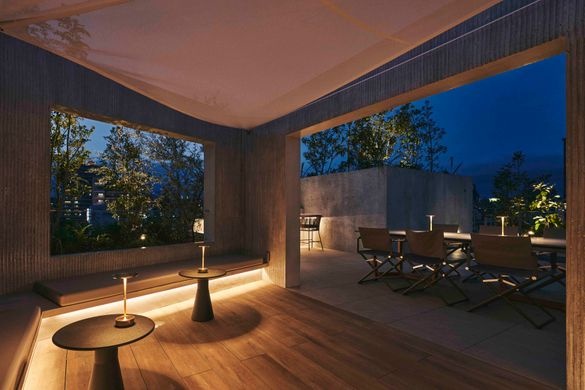
Founded in 2020, NOT A HOTEL has quickly distinguished itself with a hybrid model that offers high-quality holiday homes. These properties combine design from world-renowned architects and makers with the comfort of technologies such as IoT, all under the concept of “Your Home Anywhere in the World”. A striking example of Fukuoka’s contemporary design culture, NOT A HOTEL FUKUOKA is a next-generation accommodation concept that blurs the lines between home, hotel and lifestyle space. Known for its minimalist architecture, sophisticated interior design and flexible living model, it appeals strongly to creatives, remote workers and design-forward travelers. The approach creates beautifully designed, multifunctional spaces that support both short- and long-term living. The property is designed around the concept of a three-dimensional, city-like space, consisting of eight unique guest rooms stacked on top of each other, each with its own theme. Guests can choose from eight themes, including ‘+CHEF’ with a chef’s table, a large fully equipped kitchen and an outdoor dining area, or ‘+DESK’ with a conference table for ten people, equipped with power sockets and a screen for presentations or video meetings, all within a greenery-wrapped structure that blends seamlessly with the surroundings.
In 2025, Pharrell Williams and NIGO, both global icons in music, fashion and culture, joined NOT A HOTEL as creative advisors and investors, formalizing their influence on the way the company conceptualizes hospitality as a curated cultural ecosystem rather than a traditional residence. Prices start from 120,000 yen (approximately £580) per night per module, correct as of December 2025.
House HAKOSHIMA
Maison HAKOSHIMA has revived Hakozaki-shima, a traditional Fukuoka forgotten textile woven in the Hakozaki district since the Meiji era. Once used for everyday clothing, work clothes for miners and clothes for the Hakata Gion Yamakasa festival, production disappeared during wartime and disappeared for almost 70 years. Thanks to the dedication of Keisuke Obata and Mai Hayashi, Hakozaki-shima has been revived using machine weaving and reimagined into modern fashion and lifestyle pieces. Their unique clothing and accessories combine tradition and contemporary design and make the perfect keepsake or gift.
Fukuoka Municipal Art Museum
Designed by iconic modernist architect Kunio Maekawa, the Fukuoka City Museum of Art is nestled in the greenery and water of Ohori Park. The Fukuoka Art Museum has a uniquely diverse collection from 5000 BC to the 21st century, with works from Japan, Asia and the West. The holdings include everything from painting, sculpture and film to folding screens and ceramics. Visitors can also browse a curated library of approximately 1,000 art books and exhibition-related publications. With a collection of approximately 16,000 works ranging from contemporary art to ancient Asian artifacts, the museum is a leading cultural anchor.
In the Esplanade, the open-air space on the second floor, you’ll find a huge yellow pumpkin created by Yayoi Kusama (born 1929), the globally celebrated Japanese contemporary artist known for her vibrant, compelling works with dots, nets and mirrors. She works in painting, sculpture, installation, performance and literature and is known for her iconic Infinity Mirror Rooms, which were on view at Tate Modern, and soft sculptures, which merge pop art, minimalism and feminism. The pumpkin suddenly appeared for a month in October 1994 in front of a bench on a busy street in the Tenjin Ward of Fukuoka city. It was Kusama’s first outdoor sculpture and attracted enormous public attention, changing the entire local cityscape. This piece became the first of many colorful and distinctive public sculptures by Kusama, including motifs such as flowers and hats, as well as pumpkins, which are today installed in numerous locations around the world. She remains one of the world’s most successful living artists. Admission is 200 yen (about 95 cents) for adults, 150 yen (about 71 cents) for schoolchildren, and free for young children (separate fees apply for special exhibitions).
Design and lifestyle for the modern creative: HIGHTIDE STORE FUKUOKA
HIGHTIDE STORE FUKUOKA, located in Shirogane, Chuo Ward, is the flagship of the renowned stationery and lifestyle brand HIGHTIDE, which includes the globally recognized ‘penco’ series. Visitors can enjoy bold, minimalist stationery designs alongside a curated selection of international lifestyle products, custom notebooks created by Tokyo’s Kakimori, and a relaxing café area serving coffee, homemade lemonade and craft beer.
Folk Museum “Hakata Machiya”.
If visitors want to experience the rich heritage of craftsmen and try to recreate traditional crafts to take home, a visit to the “Hakata Machiya” Folk Museum immerses visitors in the life, craft and culture of the Meiji and Taisho eras. Highlights include:
The Machiya Building Originally built in the mid-Meiji period as a residence and factory for a Hakata textile manufacturer, this mansion has been relocated and restored and is a designated Cultural Property of the City of Fukuoka.
Craft demonstrations such as Hakata-ori weaving
Hands-on workshops including Hakata doll, spinning top and paper mache painting and Hakata Magemono (wooden accessory box) making
Exhibitions showcasing traditional craftsmanship
Local Products Building (Souvenir Shop): Sells traditional crafts and souvenirs such as Hakata dolls and Hakata-ori textiles. There is also a cafe on site.
For more information about the city of Fukuoka, visit www.gofukuoka.jp