I study the Declaration of Independence, and here’s why the colonists’ grievances are surprisingly relevant, 250 years later
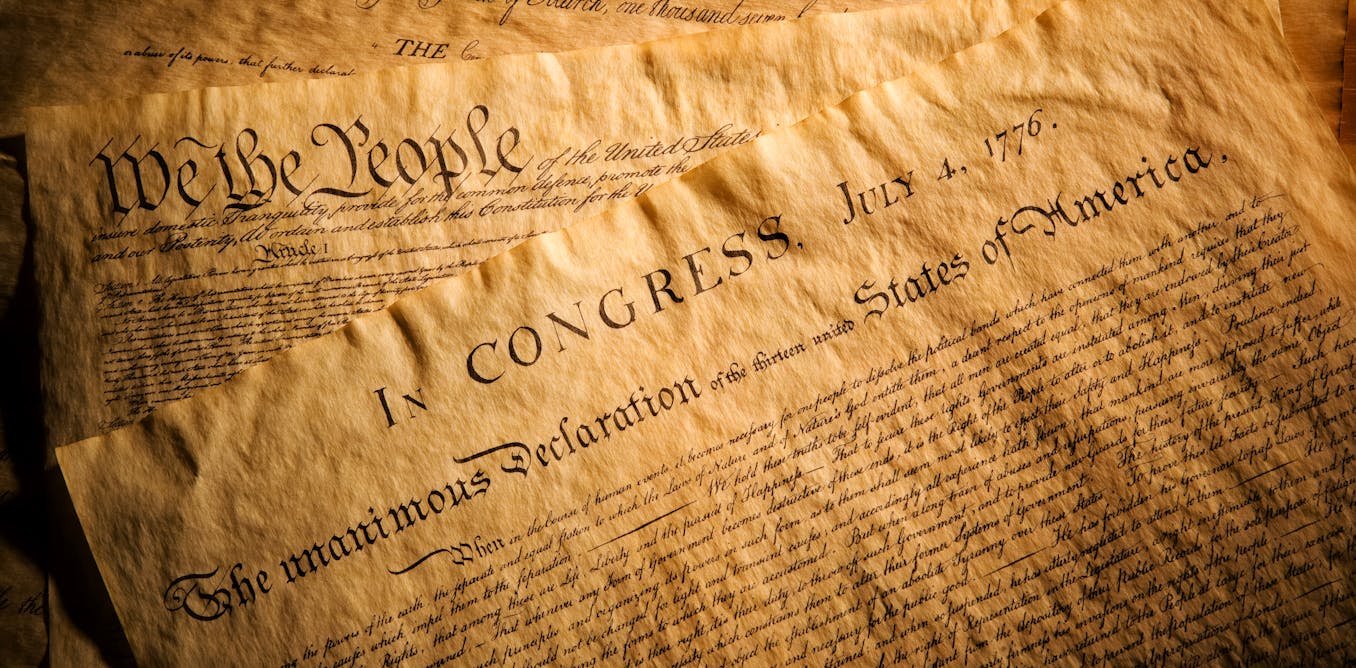
The Declaration of Independence, with its block of cursive letters scrawled onto parchment, looks like a relic from the distant past. Likewise, you might think the 27 grievances against King George III, his government and the British people listed in the body of the document would have little relevance to our lives today.
After all, what could the specific complaints of colonists in 1776 have to do with 2026? The parts of the declaration worth knowing about are the soaring sentences in the opening paragraphs about self-evident truths, pursuing happiness and all men being created equal. Right?
I’m a professor of history, and I have been researching the Declaration of Independence for nearly a quarter-century. The document has been featured prominently in the four books I have written on the founding of the U.S., especially the recently published “Tyrants and Rogues: Understanding the Declaration of Independence.”
In my assessment, the issues that most disturbed the Revolution’s leaders in 1776 are ones Americans are still concerned about today: a partisan judiciary, arbitrary power, officials not being responsible to their constituents, people lacking a voice in decisions that affect their families, and even policies about immigration and citizenship. Moreover, studying the grievances reveals how the Revolution depended on ordinary Americans. Without their political outrage and participation in the rebellion, American independence would have failed.
Where does authority come from? What are the limits of force, coercion and power? To whom are public officials beholden, and who decides the rule of law? What if these problems were to escalate into violence – or even civil war? These are 21st-century problems as much as they were 18th-century ones.
The colonists’ red lines
The declaration’s opening sentences are among the most famous written, but there are powerful statements further down, too, identifying what colonists in 1776 could not tolerate.
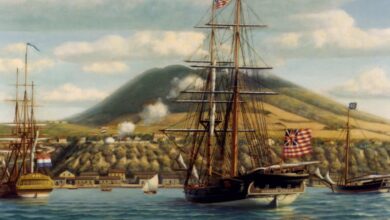
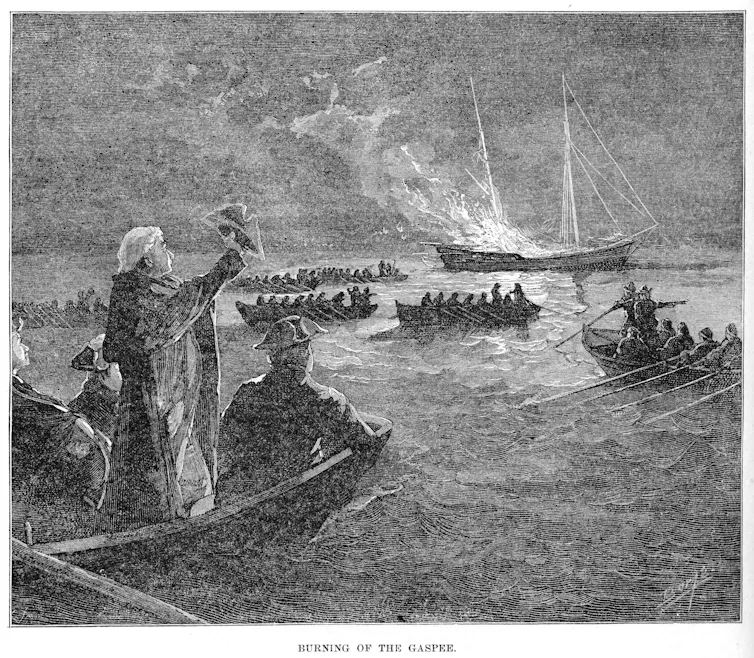
In the declaration, the colonists discuss the king’s effort to make “the military independent of and superior to the civil power.” For example, when Rhode Islanders complained about how the British ship Gaspee was attacking their ships without mercy in its hunt for smugglers, the Royal Navy waved away the colonial government.
The Declaration of Independence also featured threats to the courts: the king’s attempt to make “judges dependent on his will alone,” and Parliament “depriving” Americans “of the benefits of trial by jury.” Parliament was also “taking away our charters, abolishing our most valuable laws and altering fundamentally the forms of our governments.”
For example, in 1774, in response to the Boston Tea Party, Parliament had stripped Massachusetts of its colonial charter and revamped its government, making many elected positions appointed instead.
These were the grounds of revolution in 1776 and what colonists held to be the markings of a tyrant.
The people in the margins
Reading the grievances also illuminates a diverse cast of characters, one different from the 56 white men who signed the declaration, of whom nearly all were wealthy and of whom the majority had been enslavers.
When we learn the stories behind the declaration’s grievances, we find people of color hiding in plain sight, and not just in Thomas Jefferson’s notorious reference to “merciless Indian savages” in the final charge. African Americans and Indigenous peoples were making their presence felt and voices heard in the years before the Revolutionary War.
For example, the declaration’s final charge refers to “domestic insurrections.” “Domestics” was an 18th-century euphemism for enslaved people. This was Congress’ way of including a reference to Lord Dunmore’s emancipation proclamation, which promised freedom to enslaved people who joined the British. Historians estimate that at least 1,000 people reached Dunmore and freedom. Many more tried.
In several other seemingly unrelated grievances – like the king’s use of the royal veto, impressment, and the collapse of the judiciary – minority groups shaped the declaration. The 7th grievance, for example, is about the king preventing immigration to the colonies. But when it says he was “raising the conditions of new appropriations of lands,” it is really about Indigenous people; in fact, no reference to land in America could be about anything else. Those “conditions” included the Proclamation Line of 1763, a policy crafted to protect the boundaries of Native lands. That measure was the result of Indigenous people fighting to defend their homes for more than a decade.
The crowd behind the cause
Ordinary men and women in colonial cities and the countryside are behind the screen of the declaration’s list of charges too. The revolutionary movement could not have gained momentum otherwise.
Rowdy behavior lurks behind what seem like antiquated phrases like, in the 10th grievance, “swarms of officers” sent to eat the colonists’ substance, a reference taken from the Bible and applied to the dozens of customs officers sent to Boston in the late 1760s.
Most Americans today are familiar with some of the famous examples, like Bostonians dumping tea in the harbor in response to the Tea Act of 1773. But everyday people expressed their political outrage time and again, throwing rocks at and demolishing the houses of government officials, torching the king’s ships and forts and, eventually, marching to battle.
Those swarms? They caused significant unrest in Boston that culminated in paving stones being hurled at British officers and one of their boats being burned on Boston Common.
The grievances demonstrate the widespread, sustained fury that Britain’s imperial reforms produced in the colonies and present a more comprehensive – and complicated – view of the U.S. at the moment of its birth.
Interim Archives/Archive Photos via Getty Images
The men behind the king’s design
From the distance of 250 years, it is natural that Americans have largely forgotten the individuals the colonists held responsible for inflicting such pain. Thomas Jefferson and Congress focused on a tyrant king in the declaration, but George III had all sorts of assistants who, they argued, conspired to injure the American people.
These include members of the king’s cabinet, such as the Lords North, Hillsborough and Mansfield; and military officers such as General Thomas Gage, Lieutenant William Dudingston and Admiral Samuel Graves. Americans today probably haven’t heard of most of these people, but they were household names in 1776.
They also include appointed officials, such as royal governors Josiah Martin, Lord Dunmore and William Tryon, who went to battle against North Carolina farmers protesting taxes and corrupt officials.
To modern Americans, the grievances may seem abstract and devoid of life, but for the colonists, the grievances had faces. Behind each charge was a person enacting the king’s design. The Revolution’s leaders became convinced that the actions of these officials made it impossible for the 13 colonies to remain in the British Empire. They feared that if they did not take this step toward independence, Americans would lose the ability to seek justice, make their voices heard or enjoy representative government.
In 1825, Jefferson described the Declaration of Independence as an “expression of the American mind.” The grievances were part of that – challenges that ordinary men and women of all backgrounds had faced. Americans today can still learn from how they responded.
Source link