Human Rights Watch refuses donation to Aziz Ansari Riyadh Comedy Festival
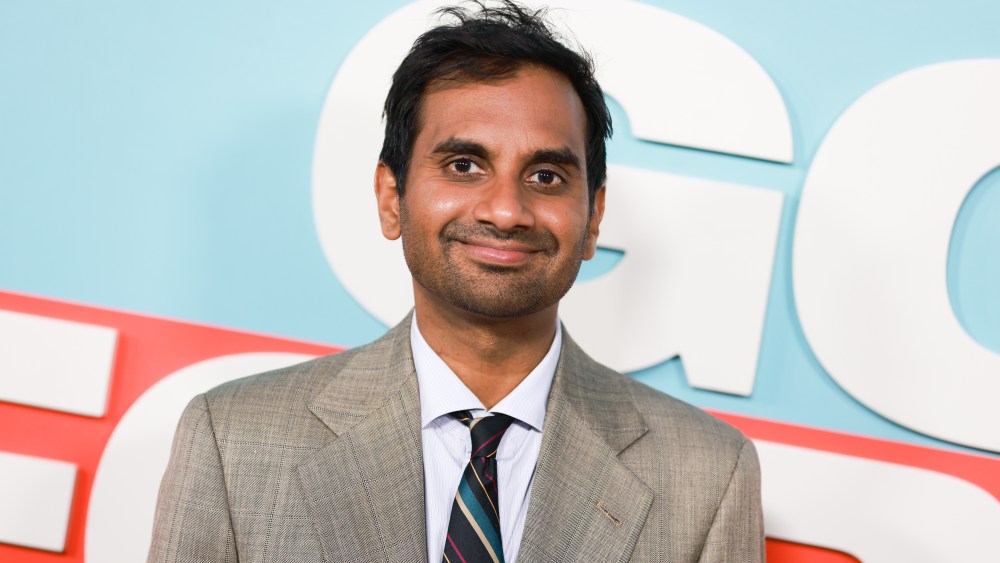
Defending his decision to perform at the controversial state-sponsored Riyadh Comedy Festival in Saudi Arabia, Aziz Ansari said he planned to donate “part of the fee” to “causes that support the free press and human rights,” listing Reporters Without Borders and Human Rights Watch, which has long been critical of the comedy festival and Saudi regime.
But in a statement to VarietyA spokesperson for Human Rights Watch said the organization “cannot accept” donations from Ansari and other comedians who have “generously offered to donate a portion of their performances.” (Jessica Kirson said “I deeply regret it” during her performance at the Riyadh Comedy Festival and pledged to donate her entire fee to an unnamed human rights organization.)
“But while we cannot accept this, it is not too late for them to call for the release of detained Saudi activists,” said Joey Shea, Saudi Arabia researcher at Human Rights Watch. She added: “Human Rights Watch has not called on comedians to boycott the Riyadh Comedy Festival, but has simply asked them to show their support for freedom of expression by calling for the release of Saudi activists who have been wrongly imprisoned.”
In September, Shea released a similar statement drawing attention to the 2018 killing of journalist Jamal Khashoggi by the Saudi Arabian government. “Comedians who receive large sums of money from Saudi authorities should not remain silent on prohibited topics in Saudi Arabia, such as human rights or freedom of expression,” Shea said. “Anyone performing in Riyadh should take this high-profile opportunity to call for the release of detained Saudi activists.”
During his late night show on Tuesday, Jimmy Kimmel called out Ansari for his decision to perform at the Riyadh Comedy Festival. “It’s a pretty brutal regime,” Kimmel said of the Islamic kingdom led by Crown Prince Mohammed bin Salman. “They did a lot of terrible, terrible things.” Ansari said he had “thought a lot about the decision” and concluded: “A comedy festival felt like something that pushes things to be more open and dialogue. You have to make a choice whether to isolate or engage. For me, especially being me and looking like that and coming from a Muslim background, it felt like something I should be a part of.”
The Riyadh Comedy Festival ran from September 26 to October 9, creating a sharp divide between the top comedians who accepted large sums of money to perform – including Dave Chappelle, Bill Burr, Louis CK and Pete Davidson – and those who said they turned down offers, such as Shane Gillis and Atsuko Okatsuka. (Sources told Variety that comedians’ paydays ranged from mid-six figures to $1.6 million for one show.)
Okatsuka revealed on X that she refused to perform at the Riyadh Comedy Festival because “the money comes directly from the Crown Prince, who is actively executing journalists, [people with non-lethal] drug crimes, bloggers, etc. without due process.” She included screenshots of an offer letter, including an alleged one section ‘content restrictions’ intended to ban comedians from making jokes about the Saudi government, legal system or religious practices.
David Cross wrote a statement slamming fellow comedians who took part in the festival, writing: “How can any of us ever take any of you seriously again? All your nonsense about ‘cancel culture’ and ‘free speech’ and all that stuff? Done. Don’t ever talk about it again. By now we’ve all seen the contract you had to sign.”
Meanwhile, many high-profile comedians have defended their decision to play the festival. Burr called it “one of the three best experiences I’ve had,” and said that “the royals loved the show.” CK said it was a “good opportunity” and “comedy is a great way to get in and start talking.” Chappelle joked on stage in Saudi Arabia: “It’s easier to talk here than in America.”
As Human Rights Watch noted in a press release on Wednesday, “Chappelle has not publicly commented on human rights abuses in Saudi Arabia.”