How often should you wash human hair extensions?
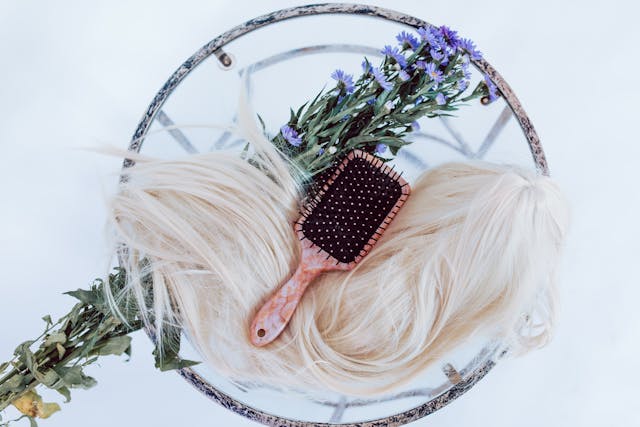
Hair extensions aren’t just for influencers and Love Island contestants; there are plenty of people who wear them for perfectly normal reasons. Maybe you want thicker ends, more length, or just a quick boost of confidence when your natural hair isn’t doing what you want it to. And when done right, especially if you use human hair extensions, they look so natural that most people wouldn’t even question it.
But I completely understand why you would hesitate. Because the second someone mentions extensions, it feels like hard work, right? Especially when it comes to washing and maintaining it. The good news is that if you use quality hair, like that of Hickenbick Hair Extensionsthe grooming routine can be simple enough to keep even the low-maintenance gals happy.
In this post I will show you exactly how often you should wash them, and the best way to do it wash human hair extensions without tangling, drying out or messing with the attachment points.
How often should you wash human hair extensions?
Most people assume that human hair extensions should be treated in exactly the same way as their natural hair. But that is not always the case.
As a general rule, you should aim to wash human hair extensions about 1-3 times a week for fitted extensions or every 10-20 wears for clip-in extensions. Doing this will maintain a decent level of hygiene without stripping away moisture, while at the same time prolonging the life of your hair extensions and keeping them looking good.
But this will vary depending on a number of different factors.
You may need to wash them more often if:
- you have an oily scalp
- you exercise regularly and sweat a lot
- you use a lot of styling products (dry shampoo, hairspray, texture spray, mousse, etc.)
On the other hand, there is a risk of washing them too much. Washing too often causes dryness, which can shorten the life of your extensions, meaning you’ll have to replace them much sooner than necessary.
It’s pretty much the same rules you would apply when washing your own hair. But what’s different is the way you wash human hair extensions compared to natural hair. And we’ll look at that next.
Why washing human hair extensions is different from washing your natural hair
Human hair extensions require a much gentler routine than natural hair as they can dry out more quickly. That makes sense when you think about it, because the hair is no longer attached to a living hair follicle, so it can’t repair itself or benefit from natural hydration in the same way as your own hair.
This means that if you want your hair extensions to last, you need to treat them differently than living hair.
Another big difference is that human hair extensions don’t receive oil from your scalp in the same way as your natural hair, and that means they can look dull and lifeless and also get tangled very easily.
That buildup is something you want to avoid because it can lead to:
- slip
- weaker ties over time
- irritation or itching on the scalp
- extra stress on your natural hair if the roots are not kept clean and comfortable
How to wash human hair extensions
Hair extensions need to be treated more delicately than the natural hair on your head and this starts before you even get to the washing part.
Make sure your hair extensions are completely detangled before wetting them by brushing the ends first, then moving to the mid-lengths and finally moving up the roots, always brushing in a downward motion. While holding the hair at the root, you release tension and reduce the risk of damage to the extensions and your own hair.
Once your extensions are completely untangled, you can now wash them. And there are a few things to keep in mind when you do this:
- use your fingertips to gently cleanse the scalp
- do not scrub the lengths aggressively
- let the foam run down through the extensions
- keep your head upright (don’t turn your hair upside down because this promotes tangles)
Use for best results sulfate-free products. Extensions are more susceptible to drying out, so harsh cleansers can make them feel straw-like very quickly. And it’s fine to use conditioner when washing human hair extensions, just make sure you:
- apply conditioner to the mid-lengths and ends only
- avoid conditioner near conditioner bands, joints, rings or impact areas
- avoid heavy oils near the mounting points as this can cause slippage and build-up
The best way to think of this is that your scalp should be clean and your lengths need moisture, but your attachment points should remain product-free.
Common mistakes people make when washing human hair extensions
It’s easy to develop bad habits when washing human hair extensions, especially if you’ve had them in your hair for a while. You may be short on time, or you may even forget you have them in and treat them as if they were your own hair. It’s so easy to do, but if you want to get the best out of them and extend their lifespan, it’s very important that you care for them as best you can.
Here are some common mistakes people make when washing human hair extensions that you should try to avoid:
- Don’t pile your hair on your head while washing – keeping it on your back prevents tangles and matting.
- Don’t scrub your extensions – instead, concentrate on cleansing the scalp with your fingertips and letting the foam penetrate into the lengths.
- Do not rinse hastily – leftover product means tangles and unpleasant itching, so always make sure to rinse thoroughly until the hair feels clean and weightless and the water runs completely clear.
- Avoid rough towel drying – squeeze the hair with a towel, but don’t rub, because Friction causes frizz and encourages matting.
- Do not leave the roots and attachments damp – Dry tapes/bindings/rings/weft areas well to keep everything in place.
- Don’t go to bed with wet or damp hair – this promotes matting and makes detangling in the morning a lot more difficult.
- Do not use too much product at the roots – especially oils or heavy conditioners near attachments as build-up can lead to slippage.
- Don’t brush too hard when your hair is wet – start at the ends and work gently upwards to avoid pulling on the attachment points.
- Don’t overdo dry shampoo between washes – Dry shampoo is great for oily roots, but layering it for days can cause a gritty build-up. If you use it often, make sure your next wash includes a thorough scalp cleansing.
Final thoughts
Human hair extensions look beautiful and give you much more versatility than synthetic options. They blend better, move more naturally and you can usually style them the same way you would style your own hair. They also last much longer, meaning that although the initial cost is higher, they are often more cost-effective over time because they can be reused with proper care.
The most important thing to remember when washing human hair extensions is that the routine doesn’t have to be complicated. Even better, if you stick to the basics and keep it simple, for example wash often enough to keep your scalp fresh, keep the conditioner on the lengths, rinse well and then dry thoroughlyyour extensions will remain softer, shinier and much less prone to tangles.
Remember that hair extensions should never feel painful. If your scalp feels irritated, you notice persistent itching, or your hairline feels sore or tight, have your adjustment checked by a professional. They can advise you on changes you may need to make to your hair care routine.
If you want the flexibility to change your hairstyle often, want a natural look for everyday use, or want an option that can be washed and styled like your own hair, then human hair is by far the better choice. Although they have a higher initial cost, their ability to be reused and their longevity make them more cost-effective over time. And when you think about it, maintaining it isn’t much different from how you should care for your own hair.
Author biography
Becky Stafferton is a full-time content creator, web publisher and blog strategist. She continually strives to promote a realistic, sustainable and positive view of how to live a healthy life. When she’s not writing, you can find her running through muddy puddles, making lists, moaning, talking to her dogs in funny voices, renovating her house in the woods, and teaching others how to use blogging in their business.