How business students learn to make ethical decisions by studying a soup kitchen in one of America’s toughest neighborhoods
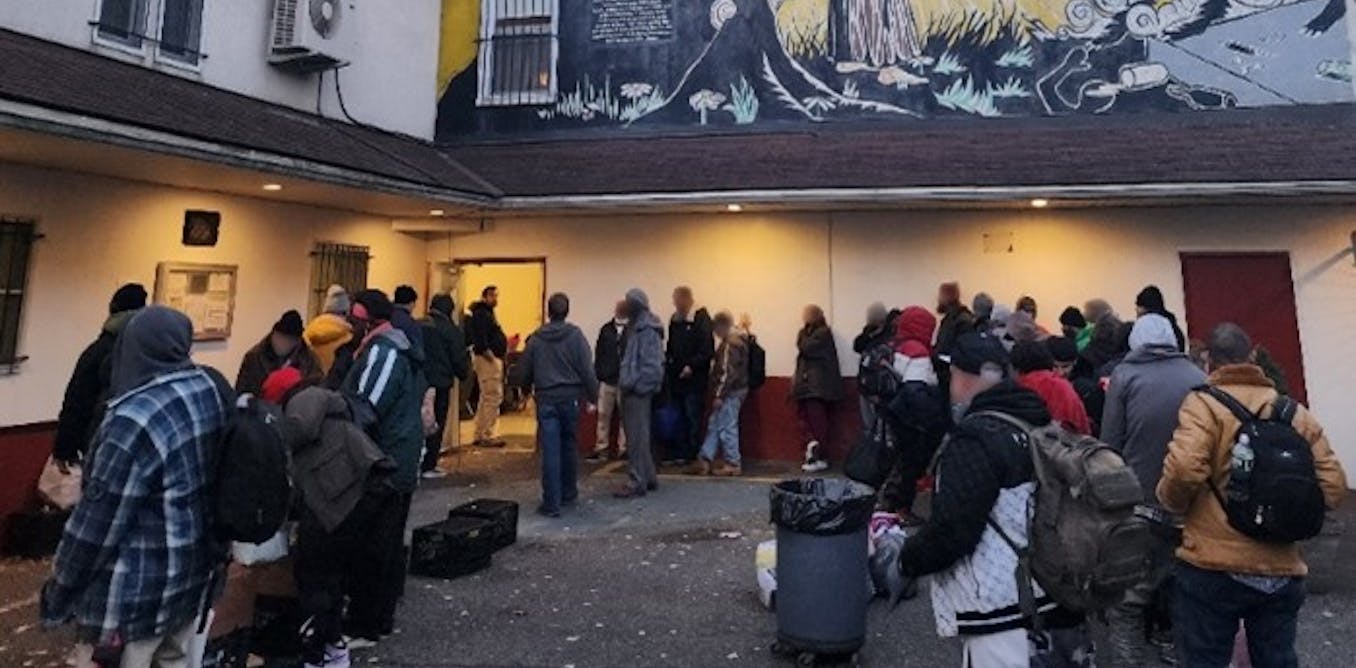
For the past ten years, I have volunteered at St. Francis Inn, a soup kitchen in the Kensington neighborhood of Philadelphia.
Kensington, for those not from Philadelphia, has long had a reputation for powerful yet affordable street drugs. Interstate 95 and the Market-Frankford elevated commuter rail line provide buyers and sellers with easy access to the neighborhood, and abandoned buildings provide havens for drug use and other illegal activity.
Founded by two Franciscans in 1979, St. Francis Inn Ministries serves breakfast and dinner to thousands of people annually, many of whom suffer from poverty, homelessness and substance abuse. It also runs Marie’s Closet, a charity that provides free used clothing and household items.
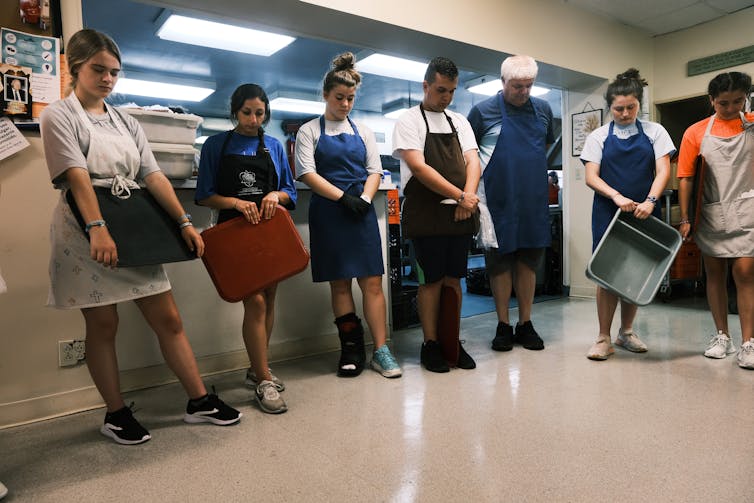
These ministries are led by a core team of nine full-time members, hundreds of volunteers from local high schools and colleges, and an ad hoc team of people from many walks of life.
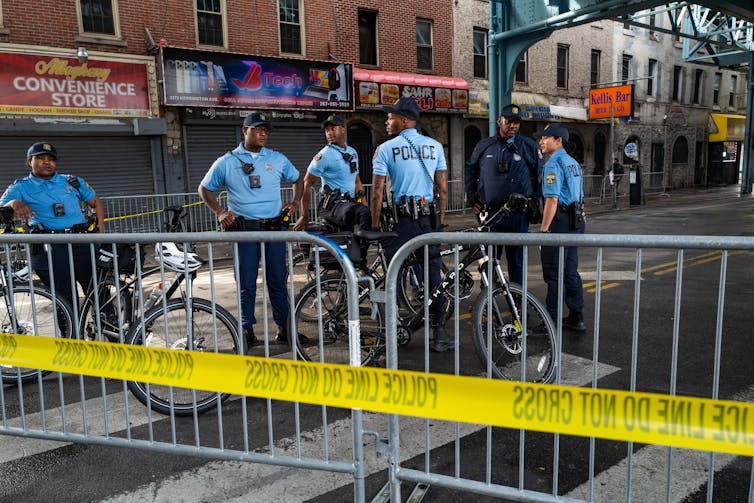
In the years I have been volunteering at St. Francis, there have been significant changes in Kensington, including gentrification, rising housing prices and increased police activity. Such changes could make it harder for people suffering from poverty and homelessness to stay in the neighborhood.
By 2018, the number of guests visiting the St. Francis Inn was already noticeably declining. I heard volunteers speculate about whether St. Francis Inn should move further north to Philadelphia, where there are more people in need. Others wondered whether St. Francis Inn should set up a mobile unit that would travel to people in need wherever they may be.
As I listened, I realized this was a business decision. As a professor of management at St. Joseph’s University in Philadelphia, I decided to present this decision to the students during my Management Honors Capstone Seminar. In January 2026, I published a business case study entitled “Dealing with Change in Kensington, Philadelphia: The Case of Saint Francis Inn.”
Spencer Platt/Getty Images
An interesting business case
The capstone seminar I teach is the second of two strategic management courses that honors business students take in their senior year. Using the Harvard case study method, students identify the critical issues embedded in a variety of cases and find the information needed to evaluate those issues using groundbreaking theories in strategic management.
Students then propose a solution – a hypothesis that they think best addresses the situation. They test whether that solution works by creating an action plan – called a “proof” – that provides logic and evidence that their solution would work.
Part of what I think makes this case study interesting is that it involves some of the most vulnerable people in Philadelphia. I felt it was important to give students the opportunity to consider important social justice issues as they applied their business decision-making skills.
Morally responsible recommendations
The course will include two different perspectives that students can use to make informed decisions and propose solutions for St. Francis Inn.
The first is the resource-based view. Using this framework, students identify the unique resources and capabilities that a company – in this case St. Francis Inn – has built up over the years. They then determine how to best use these resources and capabilities to execute the company’s mission.
The mission of St. Francis Inn is to live among and serve the poor, following the example of St. Francis of Assisi. The organization has built decades-long relationships with food companies – who share leftover meat, vegetables and other products with the inn – and with members of the Kensington community. Additionally, they have developed a network of hundreds of highly trained and motivated volunteers throughout Philadelphia and even across the country.
The second framework that students are expected to use is ‘formal moral theory’, which offers a range of different theories for determining moral rules. It allows us to make ethical decisions that are structured, rational and logical.
For example, using “utilitarianism,” students quantify all the costs and benefits of a decision and choose the option that provides the greatest net benefit (or utility) to society. “Rights theory” requires students to make decisions that respect the intrinsic dignity of all persons. Students can use these theories to make morally sound recommendations about how St. Francis Inn can best serve the stakeholders in its community.
Perhaps the most obvious people to be affected by St. Francis Inn are the people living in the area who are struggling with homelessness and substance abuse and are receiving food and other assistance there. Other groups of concern include longtime neighbors who own homes nearby but still live in poverty, new residents moving into the neighborhood, local developers who generally want to see fewer homeless people in the neighborhood, and city officials responsible for various government functions. These include police and emergency medical services, municipal councilors and social service organizations.
Spencer Platt/Getty Images
Students must answer a two-dimensional question: Given what St. Francis Inn does best, how can St. Francis Inn best meet the needs of its key stakeholders?
Being big business people, many are quickly drawn to logical business decisions that St. Francis Inn can make, such as continuing operations where they are located, relocating or setting up a mobile service. Without a doubt, every semester there are students who argue that no matter what is “best” for St. Francis Inn, the interests of the various people in the neighborhood should be respected. Honestly, I enjoy watching them grapple with this problem with sincerity and care.
Here, students must balance an organization’s core competencies with the moral impact of its decisions, while prioritizing the rights and needs of diverse, non-traditional groups with a stake in this decision. That’s a valuable skill for any future – or, for that matter, current – businessperson.
Read more of our stories about Philadelphia and Pennsylvania, or sign up for our Philadelphia newsletter on Substack.