Housing costs could drop by 30% if manufactured housing methods were adopted
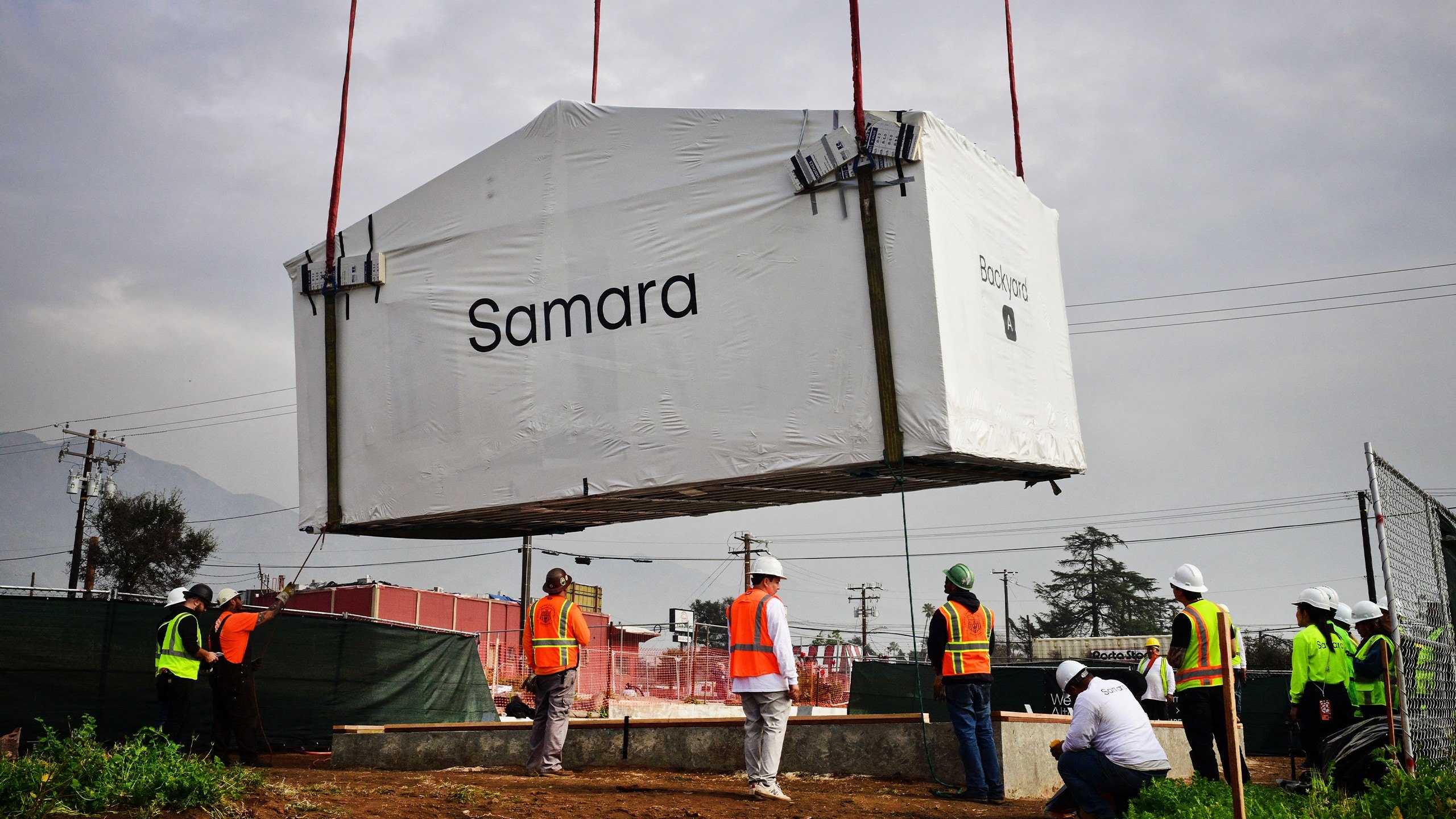
Modular construction, panel building and other techniques can save big on the price of building a new home, a new study shows.
Manufactured housing technologies could save 20% to 30% on the cost of building some homes, according to a new report from the JPMorganChase PolicyCenter. These techniques could also reduce the time it takes to build new homes by 30% to 50%. Consider two months less construction time.
With construction accounting for nearly two-thirds of the cost of a new home, cutting these costs could help homebuyers weather a rising market that has priced many out.
“We’re really trying to look at what levers, and particularly state and local levers, can reduce the cost drivers of what it takes to build housing,” Olivia Barrow Straussvice president of housing policy at JPMorganChase, Realtor.com tells us.
JPMorganChase has funded approximately $52 billion in debt and equity to finance affordable housing, as well as $498 million in philanthropic capital for affordable housing strategies. That money saved 435,000 affordable homes.
Progress in construction
The off-site construction sector is broad. It includes manufactured homes, including mobile homes built on a chassis. It also includes “modular” homes, which are built in components at a factory and delivered to the site.
It can also include panel or volumetric construction, including large, flat components such as walls, floors or roofs that are built in a factory. Regardless, by 2024 only 5% of new construction in the US was modular, even though this type of construction is growing at a rate that outpaces the construction industry as a whole.
“We are very excited about the momentum we are now seeing for different, innovative construction techniques,” said Barrow Strauss. “We’re seeing a lot of momentum.”
Bricks-and-sticks will remain the main way to build more homes, but innovative techniques can increase the supply of unusual housing types. This applies especially to affordable housing, Stockton Williamsexecutive director of the National Council of State Housing Agencies, said in a Harvard Joint Center for Housing Studies webinar.
“The industry has really changed and evolved,” Williams said. “Manufactured homes are much more attractive, better built and fit into many more types of communities.”
Yet the industrial construction sector has not yet reached its full potential. A patchwork of state and local regulations stands in the way of this.
Rule changes guide manufactured housing
JPMorganChase proposed aligning land use codes, permits and inspections so builders can build the same product regionally. It also suggested public incentives that reduce some of the “frictions” developers face.
JPMorganChase also called for training inspectors, builders and other industry specialists to be better prepared for modular construction. This way, the industry can see an ‘evidence base’ for broader market acceptance.
JPMorganChase called on several cities and regions to take a positive approach to manufactured housing. Virginia recently legalized manufactured homes on single-family lots. Maine and Maryland have similarly relaxed their rules.
And the Department of Housing and Urban Development recently announced proposed rules that could eliminate chassis requirements for multi-story homes. That could make it easier to build multi-story manufactured homes.
Combined with the elimination of chassis requirements in the 21st Century Road to Housing Act, new construction techniques could be more plentiful with greater legal clarity, said Matt JonesDeputy Assistant Secretary for Single Family Housing at HUD.
“There’s still a stigma problem there that we need to address,” Jones said Tuesday at a conference hosted by the Bipartisan Policy Center. “But it’s hard to overstate how important the changes that will take place in the manufactured home world will be.”
Hurdles remain for the company
JPMorganChase points out two major limitations in the modular construction world. First, regulatory rules, such as land use, zoning, and building codes, add time and complexity to construction projects. Builders have to design products differently for different municipalities, which prevents them from building at scale and speed.
Financial friction is another limitation. These manufacturers want to have a strong business before they commit themselves to the activities. This is turning the traditional construction world upside down, where upfront financing needs often do not match traditional construction loans. Saving time is not always self-evident.
American homebuilding techniques are largely static. And they have fallen behind those of other countries embracing modular construction, says JPMorganChase.
Sweden, for example, builds 85% of its homes with modular techniques, with 19% lower construction costs and a 10% increase in labor productivity. Singapore increased adoption by 20% in three years after requiring modular construction methods on state-owned properties.
Receive real estate news in your inbox