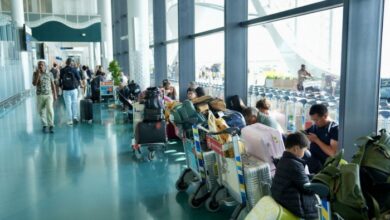
Emirates aims to restore full flight operations by March 29
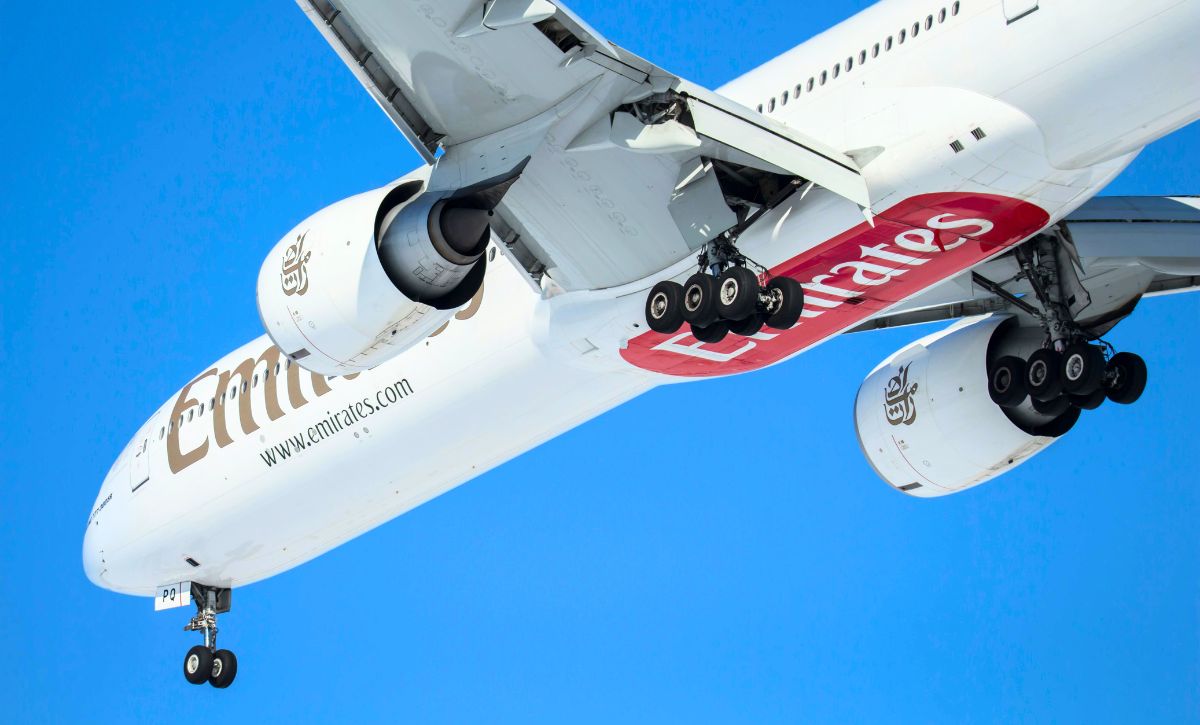
Emirates Airlines is focused on one complete restoration of its international flight capacity by March 29just weeks after a major regional security crisis forced the complete grounding of flights in the United Arab Emirates.
The ambitious recovery plan comes after Iran launched a series of ballistic missile and drone attacks in the Persian Gulf region, leading to the closure of civil airspace on February 28. Despite ongoing security concerns, Dubai-based Emirates has taken aggressive action to restart operationsThis surpasses other airlines in the region that remain cautious about restoring flights.
Currently, Emirates is approximately active 61% of the pre-conflict schedulewith the global network being steadily built through Dubai International Airport (DXB), which has become the central hub for the country’s aviation recovery.
UAE authorities emphasize safety upon resumption of flight
UAE aviation authorities say the reopening of the country’s airspace has been carefully managed, balancing safety with the need to maintain international connectivity.
Abdulla bin Touq Al Marri, Chairman of the UAE General Civil Aviation Authority, said the government has prioritized passenger safety while gradually restoring operations.
“The safety of passengers, pilots, flight crew and all personnel working in the aviation sector remains the absolute priority in all decisions regarding airspace and flight operations,” Al Marri said. “We have resumed flights through a responsible approach that ensures safety while maintaining the continuity of the aviation sector.”
The strategy appears to be gaining popularity. More than 1.4 million passengers passed through UAE airports in the first twelve days of MarchThis indicates a steady return in travel demand, although figures are still below pre-conflict levels.
Gradual return after airspace closure

Flights first resumed on March 2, when Emirates was cleared to operate a limited number of repatriation flights via specially designated ‘safe air corridors’. These routes allowed planes to avoid potential conflict zones and bring stranded travelers home.
Within days, regulators cleared the airline to resume scheduled flights and start selling tickets again. Passengers were also able to resume connections through Emirates’ Dubai hub, a key feature of the airline’s global network.
Since then Emirates has steadily increased capacityadding routes and frequencies as authorities monitor safety conditions across the region.
Regional rivals are struggling to match Emirates’ recovery

While Emirates has quickly rebuilt its flight schedule, other Gulf carriers have struggled to follow suit. Etihad Airways, based in neighboring Abu Dhabi, is currently operating only about 13% of the normal pre-conflict schedule.
Industry observers suggest several reasons for the disparity. One factor could be the location of Al Dhafra military air base in Abu Dhabi, which could complicate the creation of safe civilian air corridors to Abu Dhabi International Airport.
Others believe the difference may be a reflection a more cautious strategy by the Abu Dhabi authoritieswhich have historically taken a more conservative approach to aviation risk compared to Dubai’s pro-business policies.
Despite optimism, uncertainty remains
Despite the strong push for full operations, officials acknowledge the situation remains fluid. Safety risks in the region have not yet completely disappeared and aviation planners continue to monitor developments closely.
There is evidence that recent attempted attacks on aviation infrastructure have decreasedand airspace closures have become shorter and less frequent. Air traffic controllers across the region have also been working extended hours to safely manage traffic through the restricted airspace.
Yet sources close to the UAE government describe the March 29 target as: a best-case scenario rather than a guaranteed outcomenoting that schedules may change quickly if security conditions deteriorate.
Another lingering question is the question. As Emirates rapidly restores capacity, it remains unclear how full the flights areas some travelers postpone trips to Dubai or divert connections via alternative airlines and hubs.
Still, the airline’s aggressive recovery strategy underlines Dubai’s determination to maintain its position as one of the world’s leading aviation hubs, even amid continued geopolitical uncertainty.