Egypt takes center stage at ITB Berlin as tourism momentum accelerates | Focus
Egypt arrived at ITB Berlin this week with more than just a pavilion presence: it came with a statement of intent. After achieving a roughly 20% increase in international arrivals by 2025, the country has emerged as one of the Middle East’s standout tourism performers, using the world’s largest travel fair to underline how far the recovery has progressed.
In a region experiencing some of the fastest post-pandemic tourism growth globally, Egypt’s resurgence will be defined by scale, confidence and a renewed clarity of product. Airlines have rebuilt capacity, tour operators have expanded their programs and hoteliers report continued demand in both the leisure and cultural segments. But if there is one development that has reinvigorated the market conversation, it is the long-awaited opening of the Grand Egyptian Museum.
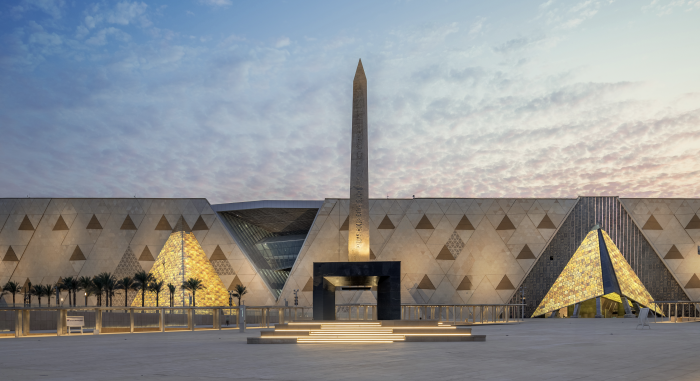
For years, the museum was discussed in trade briefings and sales decks as a future catalyst. Now it is a commercial reality – and one that is already changing the way Egypt is sold. Located on the Giza Plateau, within sight of the Pyramids, the Grand Egyptian Museum has given the destination a flagship of truly global importance, offering tour operators a powerful new story to entice both new and returning visitors.
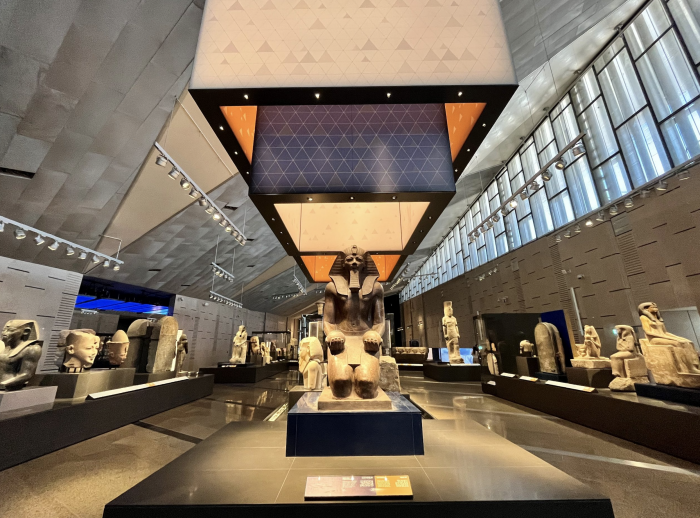
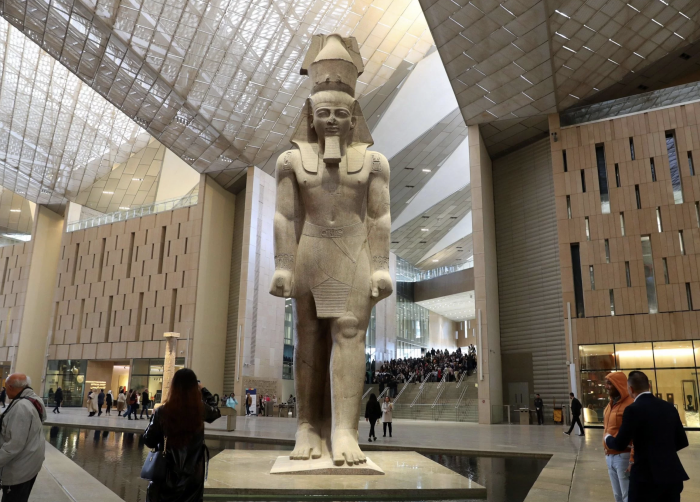
For visitors, the experience begins before they step inside. The building’s enormous glass facade frames the pyramids themselves, blurring the line between artifact and landscape. Inside, the scale is breathtaking. Statues once scattered throughout museums or hidden in warehouses now stand together, bathed in natural light. Entire chapters of Egyptian history unfold room by room, culminating in the full display of Tutankhamun’s treasures – finally united and commanding the awe they deserve.
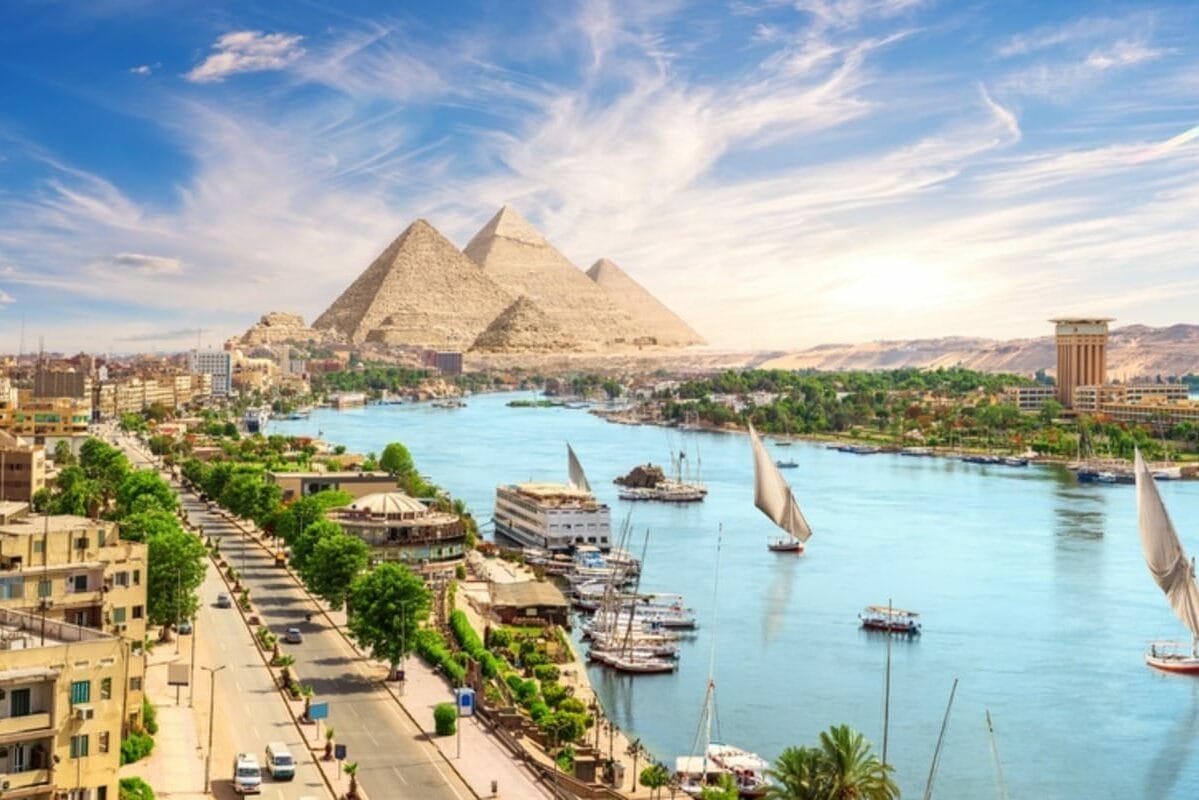
The impact has reached far beyond Cairo. The museum has given travelers a compelling reason to return, not just to check off sights, but to rediscover Egypt with fresh eyes. Many combine the capital with Nile cruises, boutique stays in Luxor and Aswan, or desert escapes that highlight the country’s growing diversity of experiences.
At ITB Berlin, the Egyptian delegation positions the museum as the cornerstone of a broader, more sophisticated tourism offering. Rather than a single main attraction, it is presented as an anchor that supports longer stays, more valuable routes and deeper cultural engagement. For the trade, this translates into new packaging options: Cairo holidays that flow seamlessly into Nile cruises, combined culture and coastal programs and premium guided experiences designed for travelers who thought they had already ‘done’ Egypt.
The timing has proven to be crucial. As travelers around the world return to long-haul travel with a new purpose, demand has shifted to destinations that can deliver meaning, authenticity and substance. Egypt’s advantage lies in its ability to implement all three solutions at scale. The Grand Egyptian Museum does not replace the country’s existing icons; it strengthens them and provides context and coherence that strengthens the overall visitor journey.
Tour operators report that the museum has sparked interest among markets that had plateaued, while helping to attract younger and more culturally curious travelers. The result was a noticeable increase, not only in the number of arrivals, but also in confidence in bookings. Egypt is no longer sold solely on price or seasonality, but on product depth and long-term appeal.
At ITB Berlin, this renewed confidence is reflected in conversations about connectivity, sustainability and product diversification. Egypt’s tourism authorities use the platform to collaborate with airline partners on expanded routes, with cruise lines on capacity growth along the Nile, and with European wholesalers on increasing demand during the shoulder season. The message is consistent: growth is no longer about recovery, but about consolidation.
This positioning allowed Egypt to stand out, even in the crowded Middle Eastern market. As newer destinations continue to invest heavily in building attractions, Egypt is capitalizing on completion by bringing a long-promised project to market and integrating it into a mature tourism ecosystem. For trading, that reduces risk and increases returns.
What resonates most on the exhibition floor is the feeling that the Egyptian tourism story has entered a new chapter. The infrastructure is in place, demand has returned and the product has been taken to the next level. The Grand Egyptian Museum has become both a symbol and a sales tool, giving the industry something tangible to rally around.
As ITB Berlin sets the tone for the year ahead, Egypt is positioning itself not as a destination in recovery, but as a destination in the right direction: confident, competitive and once again at the center of global travel planning. For tour operators and travel partners looking for proven demand combined with renewed excitement, Egypt’s message is clear: the rebound is real and built to last.
Visit for more information https://visitegypt.com/