Dominican Republic launches environmental activities in response to Sargassum -Vasia
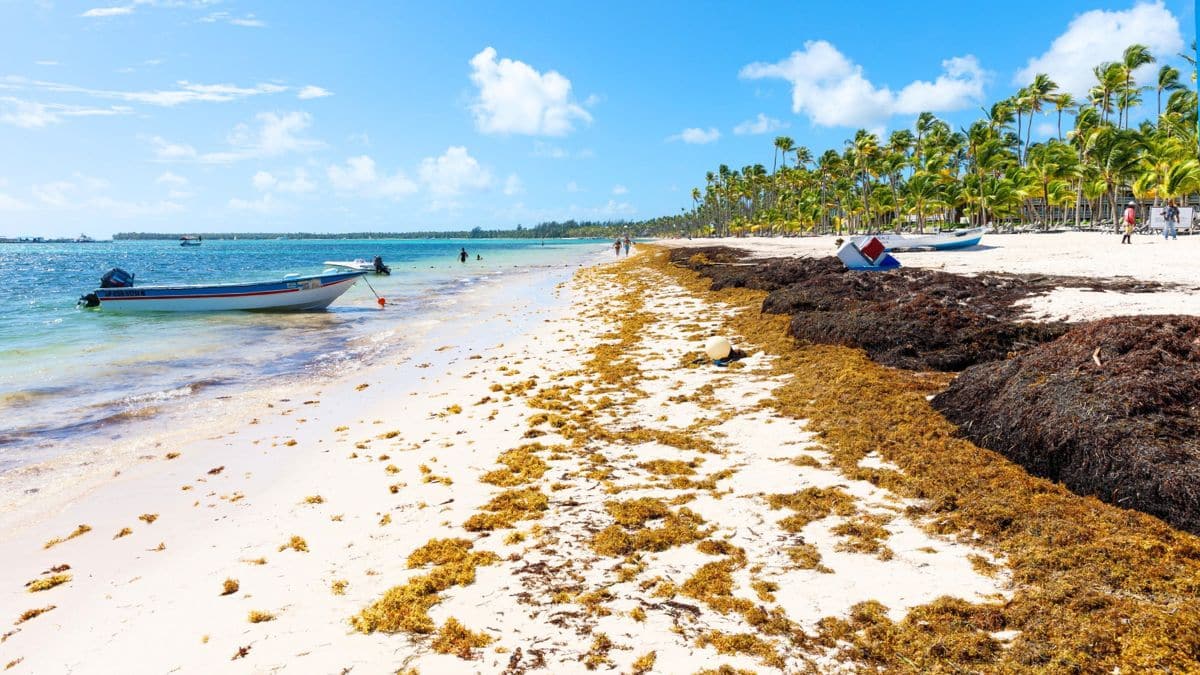
The Ministry of the Environment of the Dominican Republic has announced the launch of a national operation To reduce the impact of Sargassum seaweed, after the detection of a massive flowering along the eastern region of the country.
This initiative follows resolution 0046-2025, which regulates the collection and sustainable management of the seaweed, according to an official statement from the ministry.
The operation includes technical inspections of hotel properties between Uvero Alto and Cabeza de ToroEnvironmental impact assessments and the management of temporary collecting locations, the authorities said.
Minister of Environment Paíno Henríquez stated that the government is working on international partnerships to install Barriers and implement one satellite monitoring system To better follow the Sargassum Blooms.
The ministry also called on the private sector, multilateral organizations and local communities to work together on confronting this natural phenomenon.
A few weeks earlier, president Luis Abinader advocate for one Coordinated, regional response to the growing Sargassum threat in the Caribbean during the Ocean Conference of the United Nations.
Current situation: Sargassum in the Dominican Republic (July 2025)
Latest photos and reports from Facebook Group: Dominican Republic Sargassum Seaweed reports (Punta Cana, Cabarete, etc.)


Estimated 31 million tons of Sargassum is currently approaching the Caribbean and many coastal areas in the region, including the Dominican Republic.
Most affected areas:
- East coastspecial:
- Uvero Alt
- Cabeza de Toro
- Punta Cana
- Bávaro
- Macao
- Parts of the Southeast coast (Bayahibe, La Romana) have also started reporting raised accumulation of seaweed.
Beaches in these zones experience an important accumulation of Sargassum, which influences tourism, marine life and the coastal ecosystems. Many hotels and resorts implement cleaning activities, while some have reported short -term closures or limited access to the beach.
The efforts of the government to combat the inflow include daily removal activities, investments in barriers and monitoring systems and calls for regional cooperation in the Caribbean.