DHS reverses TSA PreCheck suspension but keeps global access closed – full breakdown for US travelers
The past 48 hours have been a whirlwind of conflicting announcements, last-minute reversals and genuine confusion for millions of American travelers. Here’s the clearest and most up-to-date overview of exactly how things stand as of February 23, 2026.
What actually happened – the full timeline
On Saturday evening, DHS Secretary Kristi Noem announced that both TSA PreCheck and Global Entry would be suspended effective 6 a.m. Sunday, citing the ongoing partial government shutdown — now in its ninth day — that left the Department of Homeland Security under a funding shortfall after Congress failed to reach a budget deal.
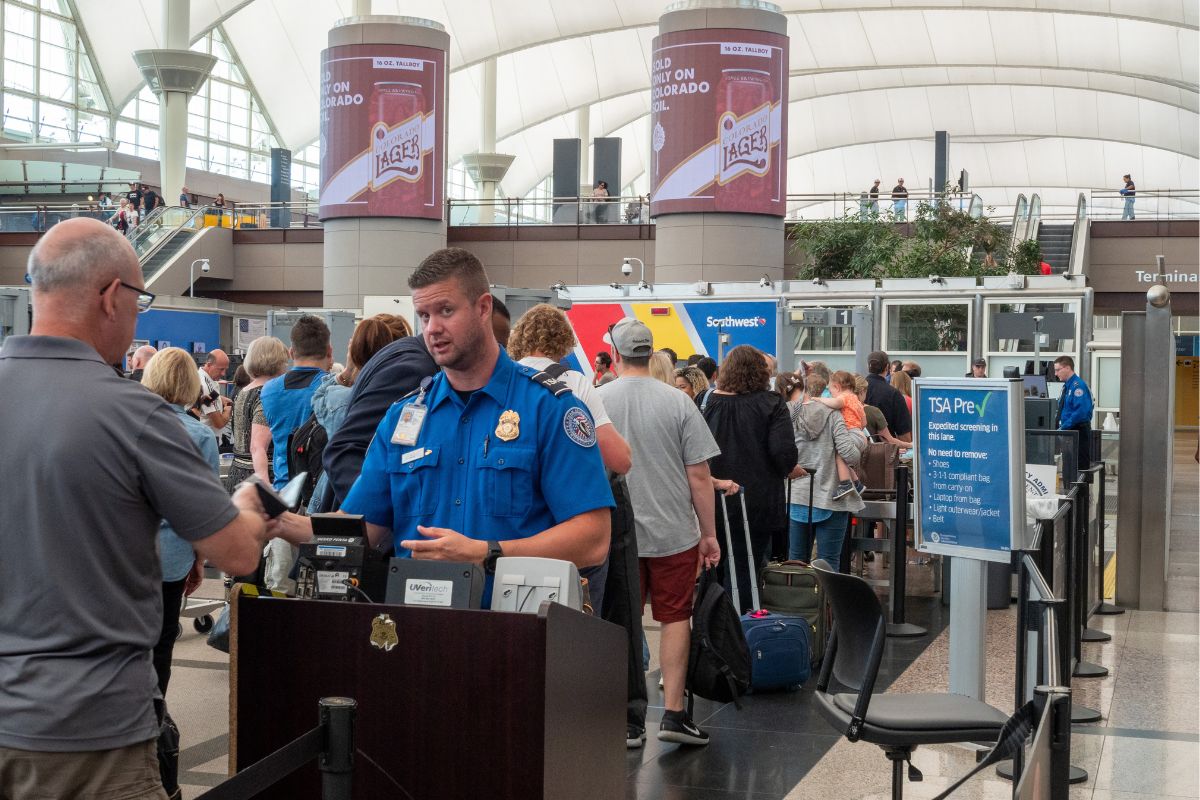
The announcement caused immediate alarm. Within hours, airports including Los Angeles International and St. Louis Lambert International began closing their TSA PreCheck lanes. Travelers woke up Sunday morning to find fast track security lines closed and no clear instructions from airlines or airport staff.
Then DHS changed course – but only partially.
The reversal came after discussions with the White House and TSA. DHS will continue to suspend the Global Entry program as the partial shutdown continues. The distinction between the two programs is crucial and poorly explained in most of the reporting published since Sunday.
TSA PreCheck: Operational – with a catch
TSA PreCheck is currently open and functional at airports across the country. If you have a PreCheck membership, you can use it for the time being.
However, the situation has a meaningful asterisk. Two DHS officials told CBS News early Monday that TSA PreCheck should remain open following the decision’s rescission, but noted that “that’s being handled on an airport-by-airport basis.” In practice, this means that your PreCheck runway may be open at JFK, but closed at a smaller regional airport – and the status may change throughout the day based on staffing levels.
A TSA spokesperson directly clarified the agency’s official position: “At this time, TSA PreCheck remains operational with no changes for the traveling public. If staffing limitations arise, TSA will evaluate on a case-by-case basis and adjust operations accordingly,” the spokesperson said in a statement to ABC news.
The reason staffing levels are so vulnerable right now is significant. An estimated 63,000 TSA agents have continued to work without pay since the partial shutdown took effect on February 14. If officers call in sick or simply stop showing up — something that happened during the 2018-2019 shutdown — the PreCheck lanes would be the first to close as resources are consolidated into standard security lines.
Global entry: Suspended – and won’t return until the shutdown ends
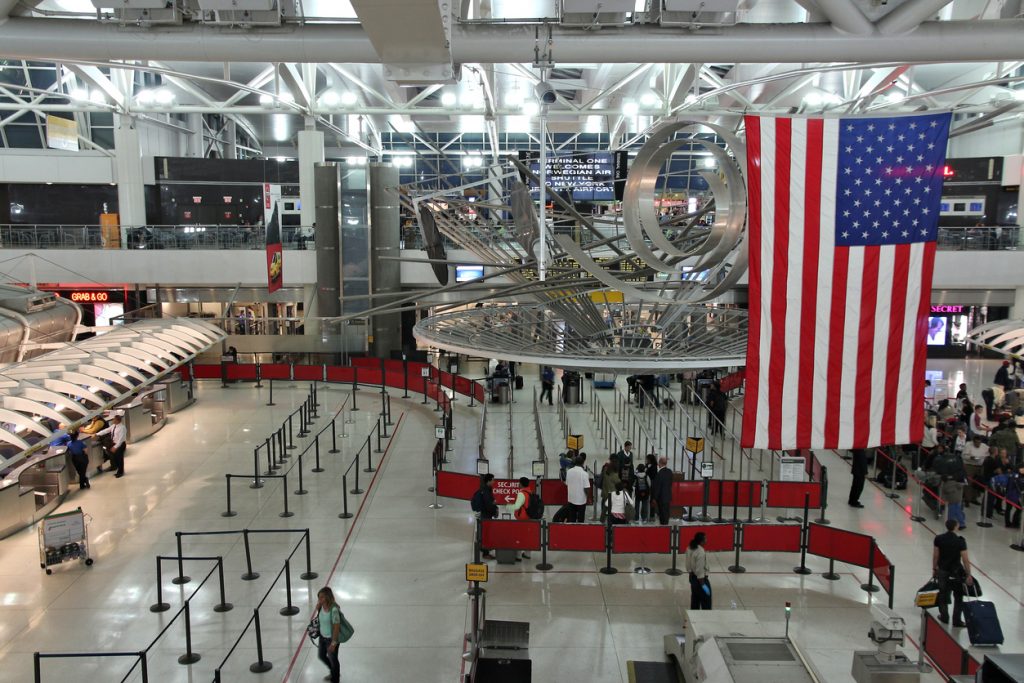
If you rely on Global Entry to clear customs quickly when you return to the United States from abroad, that program is currently suspended and there is no timeline for its reinstatement.
While TSA PreCheck remains operational, DHS confirmed that Customs and Border Protection will suspend all Global Entry arrival processing services. The suspension has been confirmed at multiple U.S. airports and international pre-clearance locations, including Boston Logan International Airport, Austin-Bergstrom International Airport and Vancouver International Airport in Canada – a crucial detail for travelers flying home through Canadian pre-clearance facilities.
Global Entry was expected to remain closed nationwide on Monday, a day after the Trump administration decided to abruptly suspend the program. The points man confirmed that Mobile Passport Control remains a viable backup option for travelers arriving internationally – although it does not offer the same level of speed as Global Entry at busy airports.
The political background
The closure comes amid a Democratic blockade over DHS funding, sparked by the fatal shooting of two U.S. citizens by federal officers in Minneapolis earlier this year. Democrats on the House Homeland Security Committee condemned the initial move to suspend these programs, accusing DHS leadership of “punishing travelers” and “intentionally ruining your trip.”
Secretary Noem defended the decisions directly: “Shutdowns have real-world consequences not only for the men and women of DHS and their families who are left without pay, but also endanger our national security.” she said in a statement published by The Hill.
The aviation sector also weighed in. Airlines for America and the US Travel Association both urged DHS to keep the Trusted Traveler programs running, with a spokesperson stating that these programs “strengthen aviation security and improve screening efficiency” and are funded entirely by user fees – and not taxpayer money – which makes the suspension decision all the more controversial.
What this means for spring break travelers
The shutdown shows no signs of endingand spring break – one of the busiest times of the year for US airports – is now only three to four weeks away. An estimated six million travelers will pass through major airports during the peak spring break weeks in mid-March.
For travelers returning internationally during that period, the loss of Global Entry will translate into significantly longer customs lines at major airports, including Miami International, JFK, LAX and Dallas-Fort Worth. Travelers who have paid annual fees or one-time enrollment fees for Global Entry should note that membership fees are non-refundable; PreCheck and Global Entry are funded by user fees, not tax dollars.
What to do now
Before your next flight, check the TSA’s official status page at tsa.gov and your specific departure airport’s website for the most up-to-date PreCheck lane availability. If you are traveling internationally, plan for significantly longer customs clearance and allow at least 60 to 90 additional minutes upon arrival at U.S. ports of entry. Mobile Passport Control, available as a free app, is currently the best available alternative to Global Entry for eligible travelers.
The situation remains fluid. PreCheck’s survival depends entirely on whether unpaid TSA agents continue to report to work — and on whether Congress reaches a funding deal before spring break begins.
Sources: CBS News · ABC News · NBC News · The Points Guy