Detroit’s high property taxes are driving a housing affordability crisis – how can city leaders bring down costs?
Property taxes in Detroit, the highest among major U.S. cities, continue to burden the city’s low-income households. Failure to pay these taxes can lead to foreclosure.
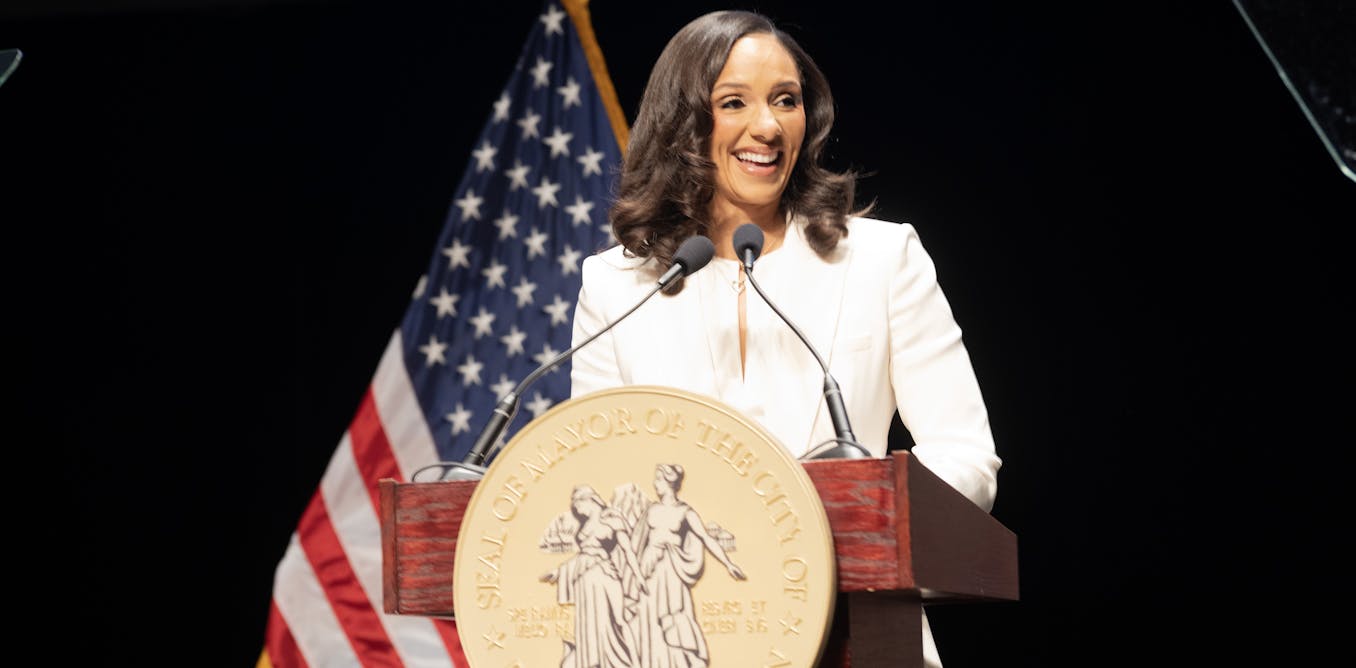
Mayor Mary Sheffield advocated for property tax relief during her first State of the City address in March 2026. Sheffield proposed a 30% to 60% cut in property taxes in the city, a change Michigan lawmakers would need to approve.
The City of Detroit will likely take in approximately US$164 million from property taxes in the 2026 fiscal year, less than a tax collected from the city’s casinos. Property taxes fund public safety, libraries, sanitation and other city services.
Amanda Nothaft, the director of data and analysis at Poverty Solutions at the University of Michigan, explains the extent of Detroit’s property tax burden and avenues for reform.
What do you think about the mayor’s approach to this longstanding issue?
Mayor Sheffield’s property tax proposal is a bold effort to bring in new residents, make homeownership more affordable and fight poverty. Tax savings can help Detroit residents pay for their basic needs.
Detroit’s existing high property taxes may deter people from moving to the city and limit residents’ ability to get jobs and start businesses.
Finding a permanent funding source to replace the revenue lost from lowering property taxes is the biggest challenge to the mayor’s proposal. In the long term, Sheffield believes population and economic growth in Detroit will offset the costs, but her administration will need to find other sources of revenue in the short term. Adopting new taxes will require working with state leadership to pass new legislation. Proposals include an entertainment tax on sports and concert tickets.
How much are Detroiters paying in property taxes now? Is it high compared to similar cities?
Detroiters paid the highest effective property tax rate among major cities in the United States at 3.02% in 2024, according to a study from the Lincoln Institute of Land Policy.
An effective property tax rate is the actual percentage of a property’s total market value that is paid in property taxes. The high effective rate in Detroit is driven by both high tax rates and low home values.
Detroit’s tax rate is significantly higher than that of other Midwestern cities. Milwaukee’s effective tax rate is 1.78%. In Indianapolis, it’s 1.20%, and in Chicago, it’s 1.50%.
With a shrinking tax base, Detroit faces financial pressures to generate revenue to fix aging infrastructure and fund city services. These factors have encouraged local taxing authorities to set a high millage rate, 48% above the median rate for other Michigan cities. A millage rate is the tax a homeowner pays per $1,000 of the value of their property.
What factors fuel the costly bills?
Detroit has experienced decades of erosion to the tax base due to long-term population loss that has driven down property values, coupled with fixed costs to maintain existing infrastructure.
These constraints, along with the need to fund services to support a low-income population and the lack of authority to generate revenue from other taxes, all contribute to high property taxes. All Michigan cities face this challenge, as state law requires legislative approval to levy local taxes. This power is granted more freely in other states, such as Illinois and Ohio.
How do high property taxes affect a resident’s ability to buy a home in the city?
High property taxes make it harder to afford a home. Let’s look at how property taxes are calculated and what they add to a mortgage payment.
The online real estate platform Redfin reports that the median home price in Detroit was $104,000 in March 2026. A purchaser putting 20% down and taking out a 30-year mortgage at a 6.6% interest rate would have a monthly mortgage loan payment of around $531. Property taxes are an additional cost.
In Michigan, homeowners pay property taxes on 50% of the property’s assessed value. Assessments are based on market value and determined by city officials for each property every two years.
Applying the 2024 Detroit’s homestead millage rate of 67.9464 to 50% of the value of a median-priced home, or $52,000, results in a property tax bill of nearly $3,533 a year, or $294 a month, adding an additional 50% to base monthly housing costs. For a Detroit household making the city’s annual median income of $39,938, $825 per month on mortgage and taxes would consume 25% of their income.
In addition to mortgage and property taxes, homeowners also need to pay for homeowners insurance and water at rates that exceed national norms. And then there are bills for electricity, gas and internet service to pay.
Compared to a suburban home at the same price point, a Detroit home comes with a higher tax burden – possibly even 70% more than a city like Sterling Heights or Livonia – fewer community services such as recreation centers and poorer performing schools. This could make buying in Detroit seem like a bad financial decision.
Businesses face even higher property tax rates – 82.18 mills in 2025 – which is 34% higher than the statewide median of 61.20 mills. The higher tax rate, combined with complicated regulations and high fees for licenses and permits, makes it hard for anyone to open and maintain a small business in Detroit.
What is the best way to reform property taxes?
Research finds that high property taxes disproportionately hurt low-income households. This highlights the importance of property tax reform in Detroit.
However, research also shows that cutting property taxes can have negative consequences if the cuts result in fewer government services.
Charly Triballeau/AFP via Getty Images
Because of these potential negative impacts, how taxes are cut matters if the goal is to improve affordability. Simply replacing property taxes with sales taxes affects low-income residents more, hurts renters and makes the tax base more volatile since revenues are directly impacted by economic cycles. In a recession, sales taxes fall because people spend less. Property taxes remain constant.
What laws are already in effect to protect homeowners?
Proposal A and the Headlee Amendment are the current strategies used to control property taxes in Michigan. Proposal A went into effect in 1994 and the Headlee Amendment was adopted in 1978.
Proposal A is a statewide law that limits the increases in taxable value of a property to the rate of inflation or 5%, whichever is lower.
The Headlee Amendment restricts property tax revenue growth at the city, township or county level to the rate of inflation.
Both laws benefit existing homeowners but do not improve affordability for new home buyers.
Circuit breaker tax credits, which tie property taxes to people’s ability to pay, can be a successful and equitable way to make buying a home more affordable.
Circuit breakers are the basis of programs like the Homestead Property Tax Credit in Michigan, which passed in 1973, and are used throughout the country to help low-income, elderly and disabled homeowners.
By keeping property taxes in check, these credits reduce tax burdens for low-income homeowners and protect owners in rapidly gentrifying areas. They can prevent property tax increases that can economically destabilize a household and lead to foreclosure.
If Detroit were to expand circuit breakers by raising the income eligibility requirements, it could help more Detroiters stay in the city and also attract new residents.
Source link