Cancun’s hurricane and Sargassum seasons officially end as the peak tourism period begins
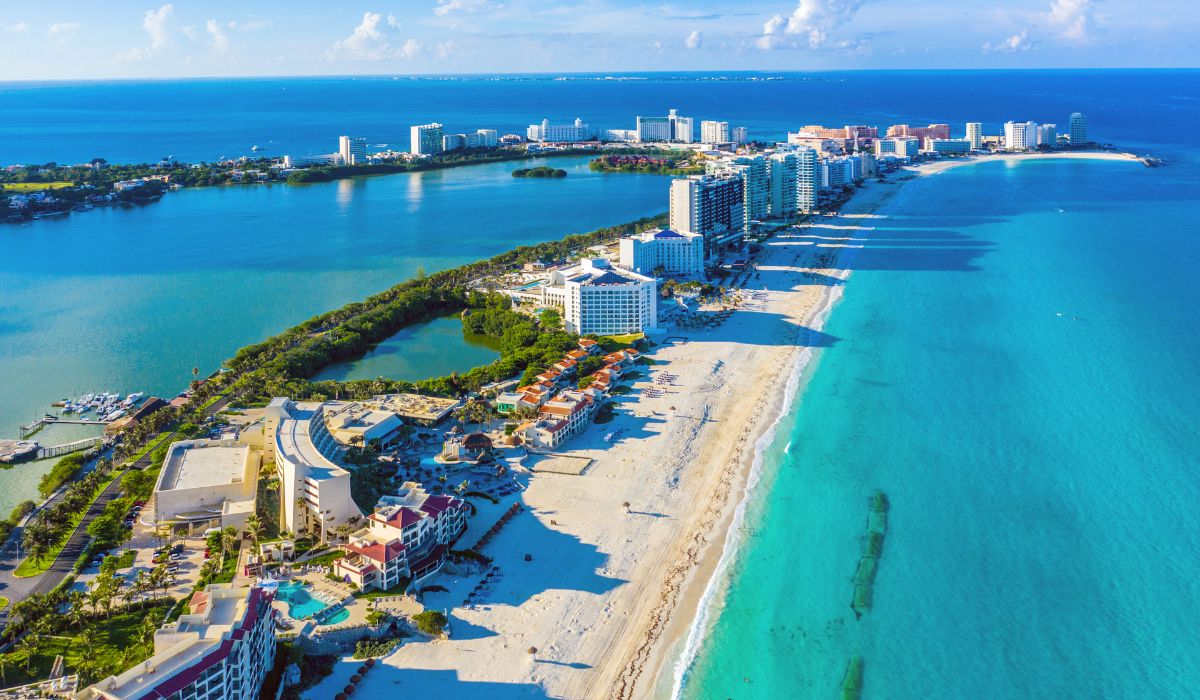
Cancun is entering the most anticipated part of the year as both hurricane season and the annual influx of sargassum come to an end. After six months of uncertainty marked by storm monitoring and fluctuating seaweed conditions, the Mexican Caribbean is now transitioning to a stable, tourism-friendly period that will last throughout the spring.
Although the Atlantic hurricane season officially ends on November 30, meteorologists note that the chance of severe storms decreases sharply in late November due to cooling sea temperatures and increased wind shear. With major weather threats subsiding, travelers can expect consistently calm conditions and sunny skies all winter long.
The end of the sargassum season brings equally welcome news. The seaweed – driven by warm Atlantic waters and summer currents – began declining in October and has now virtually disappeared from the Hotel Zone and Riviera Maya. Beaches are returning to their characteristic turquoise waters and clean white sand, eliminating one of the biggest variables impacting the traveler experience during the summer months.
This “double end” marks the start of the high seasonwhich extends from Thanksgiving through Spring Break. Hotels are already reporting projections of nearly 90% occupancy for December through February, marking one of Cancun’s busiest winters on record. While travelers can expect premium prices, busy airports, and fully booked dining and entertainment venues, they’ll be rewarded with ideal weather: temperatures in the low 80s, low humidity, and consistently clear skies.
Forecast: What to Expect for the 2026 Sargassum SeasonN
Based on decadal trends, Atlantic temperature patterns and the strengthening of subtropical currents in recent years, The 2026 sargassum season will likely be medium to moderately heavywhich starts at the end of March and peaks from May to early August. Early indicators suggest:
- A stronger than normal sargassum bloom in the central Atlantic Oceantypical for years after warm ocean anomalies.
- More consistent arrivals on eastern beacheswith the Riviera Maya likely to see higher volumes than Cancun’s hotel zone.
- Previous beach cleaning efforts from local authorities as improvements have been made to monitoring and disposal systems by 2025.
However, oceanographic conditions can change quickly. If current cooling trends in parts of the tropical Atlantic Ocean continue in early 2026, the season could weaken slightly, leading to shorter peak periods and less accumulation on key tourist beaches.