Cancun Enters Final Part of 2025 Sargassum Season – Clearer Waters Ahead
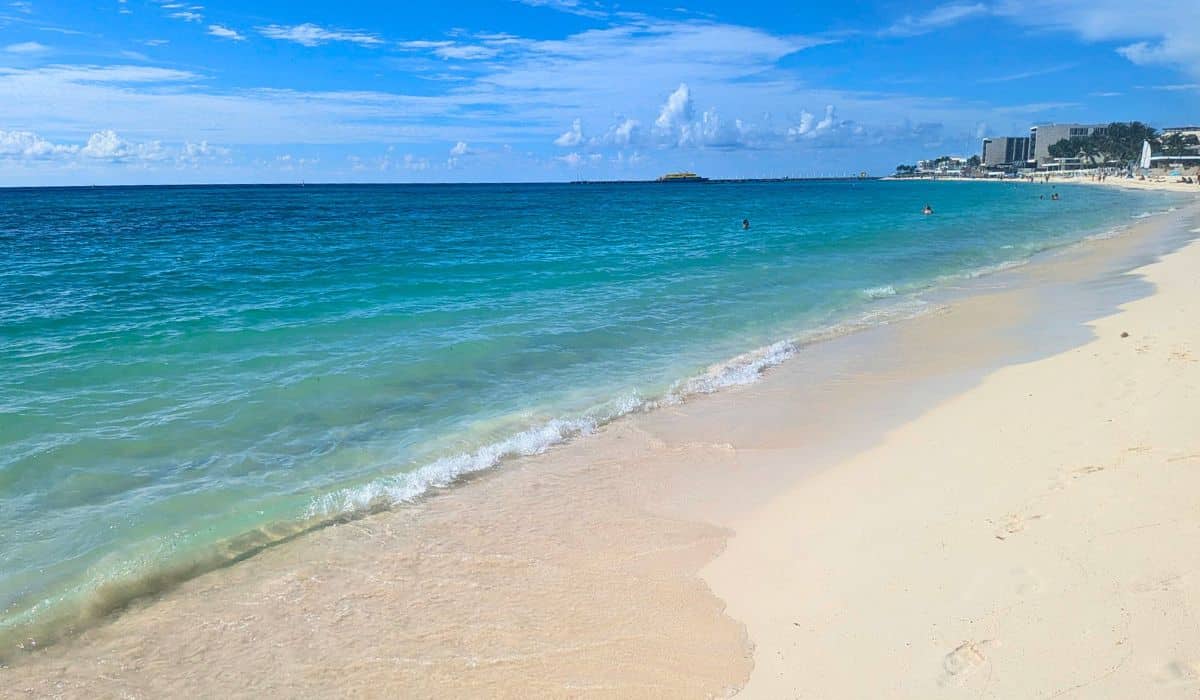
Cancun, QR (October 2025) – After a summer of record seaweed impacts, Cancun and the Riviera Maya are now entering what experts and local observers describe as the ending phase of the 2025 sargassum season. With conditions expected to steadily improve throughout October, tourism stakeholders and travelers are watching for signs of a return to the pristine Caribbean waters for which the region is known.
Record season, then a promising decline
The 2025 sargassum season has already broken records: from early September in Cancún alone reported meet 13,000 tons seaweed – almost four times the amount collected during the same period last year.
More than all over the country 76,000 tons were removed this year under the Mexican Caribbean’s comprehensive mitigation strategy. Crews gathered in southern Quintana Roo 400 tons in a six-day period (September 20-26) in Costa Maya, even as the northern beaches around Cancun saw a notable drop in the number of new arrivals.
Despite the intense season, municipal and state authorities report that sargassum landings have “decreased significantly” in recent weeks, marking a clear shift in the pattern.
October 2025 Photo reports from Cancun and the region
(Source: Mexico Sargassum seaweed updates (Cancun, PDC, Tulum, etc.) )


Why October marks a turning point
Cancun’s sargassum season typically runs from April to Octoberpeak between May and Julywith the heaviest landings sometimes extending into early autumn.
By late October, most historical and predictive models suggest sargassum inflows are declining, barring extreme weather events.
This year, local observers and beach-front intelligence are already seeing signs of that reduction process:
- In the first half of OctoberIn the hotel zone, clean water zones are becoming more common, with small amounts of seaweed only on the coast rather than in the surf.
- By means of mid-Octoberfloating fragments occur sporadically and beach clean-up crews are able to keep the coastline largely clear.
- In the third week (October 20-26)Most tourist areas expect conditions similar to the ‘late season’, with minimal seaweed and largely unobstructed swimming.
- In the last week (October 27-31)Unless weather conditions change, beaches are likely to be in excellent, clear condition – signaling the effective end of the season.
This week-by-week framework is consistent with patterns reported by local monitoring sources and tourism observers.
Still, warnings remain: a late-season wind shift or tropical disturbance could push the areas back on land for a short time. Travelers are advised to check for updates via the Save the Monitoreo del Sargazo de Quintana Roowhich issues daily alerts and cards via social media.
Local mitigation and resilience efforts
The 2025 season led to heavier investments in sargassum control than in previous years. In Cancun alone, some 13,000+ tons were collected by municipal staff. The state government of Quintana Roo has also more than allocated 125 million pesos (approximately several million USD) for mitigation efforts including floating barriers, offshore island removal, and shoreline cleaning.
Technological and scientific initiatives are also underway. Researchers from UNAM and other institutions are calling for the processing of the seaweed into biofuels or bioplastics, although challenges remain in terms of toxin removal, heavy metal contamination and cost feasibility. The state is planning a “circular economy” facility to convert sargassum into usable energy or materials
At the same time, containment barriers, daily beach staffing, high-frequency monitoring and aerial (satellite) surveillance are core components of the local strategy to reduce impacts on land and preserve the tourism experience.
What travelers need to know in fall 2025
- October is a good place. Although conditions on the first day won’t be perfect, the month offers a great chance of clean beach days – much better chances than in summer.
- Expect variety — an unexpected wind pattern or tropical wave can produce isolated patches of sargassum even late in the season.
- Choose beaches wisely. The Hotel Zone, Isla Mujeres and certain parts of the Riviera Maya are generally recovering faster. Some beaches in Puerto Morelos or the southern sectors may arrive later.
- Have backup plans. In case a beach day is affected, there are options such as cenote tours, archaeological excursions (Chichén Itzá, Tulum, Cobá), inland adventures or catamaran snorkeling in open water (beyond the sargassum lines).
- Stay informed. The Red de Monitoreo del Sargazo often publishes daily maps and warnings.
- Consider traveling in late fall or winter. Once November begins, sargassum arrivals are rarer, giving travelers the best chance for classic Caribbean clarity and fewer weather risks.
Looking ahead and broader context
The 2025 sargassum season will likely go down as one of the most challenging to date, but also as a season in which adaptation, monitoring and mitigation efforts were aggressively scaled up.
Scientists warn that climate change, nutrient runoff, changing Atlantic currents and ocean warming could continue to intensify this bloom in coming years. International initiatives, such as Mexico and the Dominican Republic, proposing bilateral coordination on sargassum indicate the growing recognition of the regional scale of the problem.
For Cancun, the silver lining is that October is developing as a transitional month of revival. Travelers arriving later this month or early November have a great chance to enjoy clear waters, white sands and the vibrant Caribbean blue that draw visitors year after year.