Can a Vitamin E Supplement Improve the Health of Your Hair and Skin?
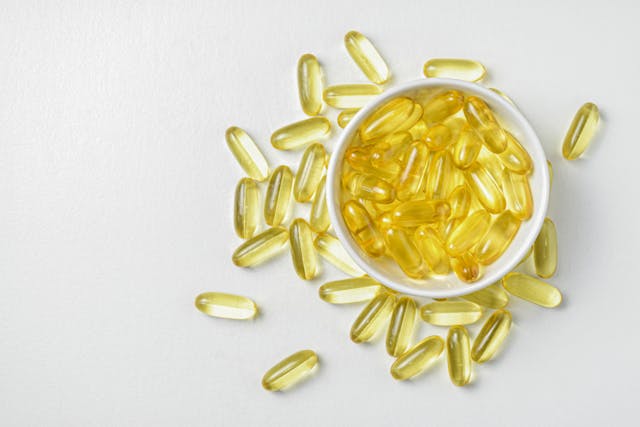
Making intentional health decisions often starts with small, consistent habits. For many Canadians, this also means understanding how nutrients such as Vitamin E supplement options fit into a broader wellness plan that is based on evidence rather than trends.
Supplement use is common across Canada, especially among adults over the age of 45 who focus on maintaining vitality, cognitive clarity and long-term cardiovascular health. According to Statistics Canada, a significant portion of Canadians report taking vitamin or mineral supplements as part of their routine, especially women and older adults.
That said, taking more product is not the goal. Making well-considered choices based on credible information is. Understanding the tradeoffs and selecting products from trusted, established sources is what separates a supplement routine that supports your health from one that just clutters your cupboard.
What does it mean to intentionally take a supplement?
Intentional health means aligning daily choices with long-term results, rather than reacting to short-term marketing cycles.
Before adding a vitamin E supplement to your routine, it helps to ask yourself a few practical questions: Why are you considering this? Does your diet already include good sources of vitamin E, such as nuts, seeds and vegetable oils? What dose are you looking at and does it match established guidelines?
Health Canada classifies vitamins and minerals as natural health products, meaning they must meet specific safety and labeling standards before they can be sold in Canada. That regulatory framework provides a meaningful foundation for quality assurance, but it does not replace the value of understanding what you are actually taking and why.
The role of vitamin E in a balanced routine
Vitamin E is a fat-soluble antioxidant that helps protect your cells from oxidative stress. Oxidative stress is associated with aging and cellular damage, although the relationship between antioxidants and disease prevention is complex and still being studied. The National Institutes of Health Bureau of Dietary Supplements notes that vitamin E contributes to immune function and cellular signaling.
When it comes to skin and hair, a vitamin E supplement is one of the most recommended nutrients. It can help protect skin cells from oxidative damage, and it is a regular ingredient in formulations that target hair and nail health. The research is still developing, but if you want to support your appearance from within, vitamin E is a reasonable starting point.
If you are a woman between the ages of 45 and 65, maintaining antioxidant status may be part of a broader strategy that includes adequate intake of healthy fats, a diet rich in fruits and vegetables, regular exercise, and appropriate supplementation if your dietary intake is deficient. A vitamin E supplement is not a replacement for these foundations, but it can complement them if used carefully.
Understanding dosage and upper limits
Vitamin E has an acceptably higher intake level due to the potential bleeding risk at high doses. The NIH outlines that excessive supplementation may increase risk in certain populations.
This introduces an important trade-off. Although vitamin E may support antioxidant balance, high dose supplementation without professional guidance may not be appropriate, especially for individuals taking anticoagulants.
This is an important consideration to understand. Although a vitamin E supplement can support antioxidant balance, high dose supplementation without professional guidance may not be suitable for everyone. Intentional use means paying attention to the dose, your health history, and any current medications. If you’re unsure, a practical first step is to talk to a pharmacist before you start.
Differences in the form of ingredients are important
Vitamin E exists in multiple forms, including tocopherols and tocotrienols. Many supplements contain alpha-tocopherol, but research suggests that mixed tocopherol formulations may provide broader antioxidant coverage. It is worth noting that dietary sources such as nuts, seeds and vegetable oils provide naturally occurring forms of vitamin E, and that supplementation should take total intake from food into account.
Natural vs. Synthetic Forms: What the Label Tells You
When you read the label of a supplement, you may see two different indications. d-alpha-tocopherol typically represents the natural form of vitamin E, while dl-alpha-tocopherol is synthetic. Bioavailability may differ between these two forms, potentially affecting the appropriate dose. Understanding what you’re buying and why is a simple way to make more confident choices at the shelf.
Safety considerations as you get older
As you get older, nutrient intake, medication use and cardiovascular risk profile change. Supplements that were applicable at age 35 may require reassessment at age 60.
Harvard Health Publishing takes notice antioxidants Although much research has been done, large-scale studies have not consistently shown that high doses of vitamin E can prevent chronic diseases. This finding reinforces an important principle: supplements should support, not replace, your fundamental health habits.
Before adding a vitamin E supplement to your routine, it is worth reviewing your current medications with a healthcare provider, to confirm that your dosage is in accordance with established guidelines, to avoid inadvertent stacking of multiple antioxidant products, and to choose products from regulated, established Canadian retailers. Taking these steps reduces the risk while maintaining the potential benefit
How to Choose a Vitamin E Supplement in Canada
When comparing vitamin E supplement options in Canada, look at the form of vitamin E used, the dose per serving in relation to your needs and whether the product contains natural or synthetic tocopherols. Choosing products from retailers that meet Health Canada’s Natural Health Product standards is a reliable way to ensure you get what the label says.
If you’re not sure where to start, a practical step is to talk to a pharmacist before purchasing. A pharmacist can help you sort through the options based on your health history, dietary intake, and any medications you are currently taking.
The Bottom Line on Vitamin E Supplements
Vitamin E supplements, when used carefully, can support antioxidant balance as part of a broader diet and lifestyle strategy. It’s not a shortcut to disease prevention, and it works best when it supplements a solid foundation: a nutrient-dense diet, regular exercise, and adequate sleep.
In a market full of fast claims and short product cycles, clarity as a consumer is the best tool. The most sustainable approach is based on evidence, moderation and trusted supply channels. Choosing well, choosing safely and choosing with a clear goal usually has better long-term results than impulsively adding products and hoping for the best.