British holidaymakers turn away from 40°C Mediterranean summers in search of cooler escapes | News
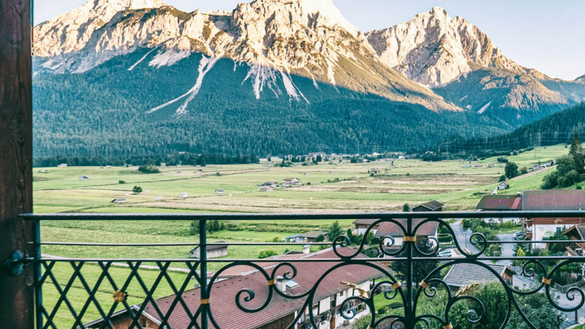
With temperatures repeatedly exceeding 40°C in parts of southern Europe in recent summers, extreme heat has become a structural feature of Mediterranean travel. In response, British travelers are increasingly turning to Alpine alternatives to provide a more predictable and restorative climate.
While Mediterranean destinations have experienced extreme heat, wildfire disruption and prolonged nighttime temperatures above 30°C, average temperatures in Austria’s Alpine regions during the summer months are typically 22 to 27°C. That temperature difference causes a shift in booking patterns.
At 1,000 to 1,500 meters above sea level, Alpine resorts operate in a different climate reality. For travelers who have experienced a heat-disrupted Mediterranean holiday in recent summers, that distinction is more practical than picturesque. Rather than limiting activities to the early mornings and post-sunset periods, guests can hike, bike and swim well into the afternoon without heat stress dictating the schedule.
The shift isn’t limited to couples and wellness travelers. Families are increasingly viewing Alpine resorts as a credible and in many cases superior alternative to traditional Mediterranean all-inclusive packages.
In the Best Alpine Wellness Hotels collection, children’s facilities are built into the operational core and not added as an afterthought. Professionally run kids’ clubs, structured outdoor adventure programmes, supervised creative workshops and dedicated family spa areas ensure children can stay active and engaged all day long, without the heat fatigue that can derail seaside holidays.
Large indoor and outdoor pool complexes, water slides and family-friendly sauna areas ensure that weather variation is rarely disruptive, allowing exercise, sports and outdoor play all day long.
The ‘Coolcation’ becomes a climate strategy
At Wellnesshotel Warther Hof in Warth am Alberg, one of Austria’s highest villages, the 3,000 m2 spa positions itself as a high-altitude recovery space, combining panoramic sauna facilities, indoor and outdoor pools and organizing daily programming including guided hikes and yoga sessions.
At the Hotel Post Lermoos, located at approximately 1,000 meters altitude with direct views of the Zugspitze, guests have access to a 3,000 m² Post Alpin SPA with a heated indoor and outdoor pool open all year round, a brine pool, eight saunas and steam baths, and guided sauna infusions in a panoramic pine wood sauna house. The property combines Alpine spa infrastructure with three-chef gourmet dining led by Chef Thomas Strasser.
In Wellnessresidenz Alpenrose, more than 8,500 m² of spa and water worlds integrate natural swimming ponds, structured sauna rituals and motion-controlled programming. Wellness & Longevity Lead Ágnes Gajdos emphasizes nervous system regulation and recovery over performance-based trends, a message that resonates with British travelers fatigued by the high-intensity ‘biohacking’ wellness culture.
At Alpenresort Schwarz, contemporary thermal architecture integrates sauna landscapes with natural gardens and swimming ponds, allowing seamless transitions between indoor warmth and outdoor immersion, an increasingly popular model among design-led wellness travelers.
At STOCK Resort in the Zillertal, summer is all about active days and structured recovery. Located at high altitude, the hotel combines mountain hiking and cycling trails with a 5,000 m² wellness world with indoor and outdoor pools, several sauna rooms, cold water immersion zones and special relaxation areas. Families benefit from professionally supervised children’s programs and extensive pool facilities, while adults can alternate between supervised exercise sessions and restorative spa rituals. The emphasis is on rhythm: activity without heat exhaustion, recovery without intensity, and evenings that cool naturally for a restful sleep, a balance increasingly appreciated by British travelers reassessing a high-temperature Mediterranean holiday.
With outbound wellness tourism in Britain now exceeding £70 billion per year and consumers increasingly prioritizing sleep quality, stress reduction and active wellbeing, the appeal of temperate climate destinations is growing.
Industry observers increasingly describe the move to cooler destinations as structural rather than seasonal. Repeated heat waves in the Mediterranean have affected future planning, especially among families and multi-generational groups seeking predictability.
For Alpine hotels that operate at high altitudes and have significant spa capacity, including wellness facilities from 3,000 m² to 8,500 m², this shift offers an opportunity to position summer as a performance-neutral, restorative alternative to extreme heat tourism.
In a warming travel landscape, 22–27°C becomes not only comfortable, but also commercially attractive.
www.wellnesshotels.com.en