Bernie Sanders’ AI ‘gotcha’ video flops, but the memes are great
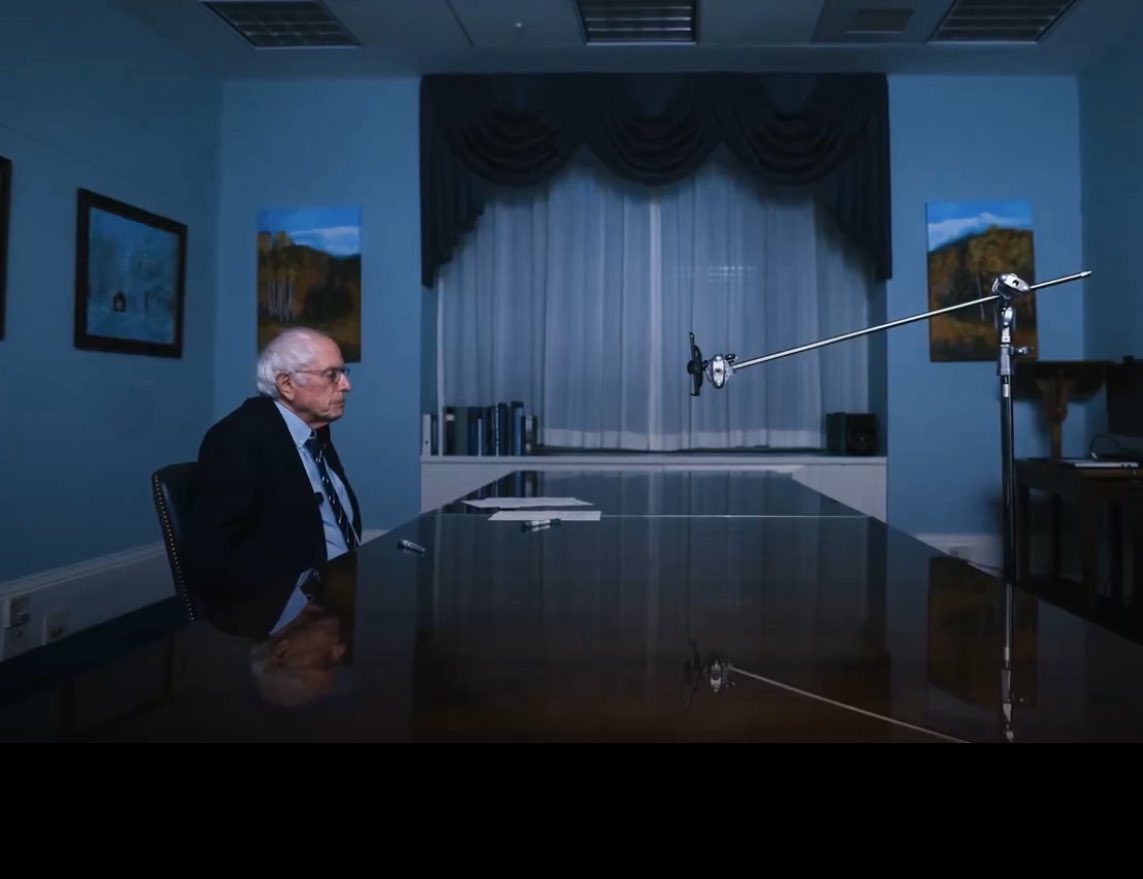
In a new viral videoSen. Bernie Sanders sought to expose how the AI industry threatens Americans’ privacy, but ultimately demonstrated how AI chatbots’ tendency to agree with and flatter their users can lead to the chatbots themselves becoming a mirror of users’ own beliefs rather than a tool for discovery.
We’ve seen this problem before amid the growing number of people suffering from “AI psychosis,” where an AI chatbot amplifies the irrational thoughts and beliefs of a mentally unstable person. In some cases, this dark pattern has even led to users committing suicide, several lawsuits allege.
In the case of Sanders, the AI sycophancy manifested itself as an AI chatbot that tailored its responses to the politician.
It’s worth noting that the interview opens with Sanders introducing himself to Claude (whom he incorrectly calls an AI “agent”) – a move that could help influence the chatbot’s responses.
As Sanders then asks about AI companies’ data collection practices and other privacy concerns, Claude kindly responds with what the politician wants to hear. In part, that’s because of the way Sanders phrases his questions, asking things like, “What would surprise the American people if they knew how that information is collected?” or “How can we trust that AI companies will protect our privacy when they use people’s personal information to make money?” These leading questions force the chatbot to accept the premise of the question and come up with an appropriate answer. That’s just how these things work.
And if Claude’s response suggested that a topic was more complex or nuanced than Sanders had framed it, Sanders would disagree and force the chatbot to admit, with a touch of AI self-deprecation, that the senator was “absolutely right.”
The sycophantic nature of AI can lead people down dangerous paths if they assume a chatbot is a source of universal truth, rather than a tool that can be influenced by the user.
It’s not clear whether Sanders knows this is the case and simply doesn’t care (because this is just an ad, after all!), or whether he really thinks he tricked Claude into becoming a whistleblower for the AI industry.
And of course, there’s also the question of whether Sanders’ team primed the chatbot to respond in a certain way, since this was a staged “interview.”
While there are real concerns about data collection and privacy, things are not as black and white as the AI responses in this video suggest.
We already live in a world where companies collect and sell data from online users on a massive scale – and it has been that way for years. We know that social media giants like Meta have turned personalized advertising into a money-printing machine worth billions of dollars. And thanks to regular transparency reports from tech giants, we know that governments around the world routinely request access to user data for their own purposes.
AI may be a new medium for lawmakers to potentially regulate, but so is personal data has long been a driving force behind the digital economy. (Ironically, Anthropic is an AI company that has pledged not to use personalized ads to make money, despite what the answers to Sanders may have suggested.)
While the general conversation between Sanders and Claude misses the point for anyone who understands how AI chatbots work, we can at least rest assured that it gave us some great new memes.