Are you planning a vacation in Cancun in 2026? Here are the beaches most affected by Sargassum to avoid
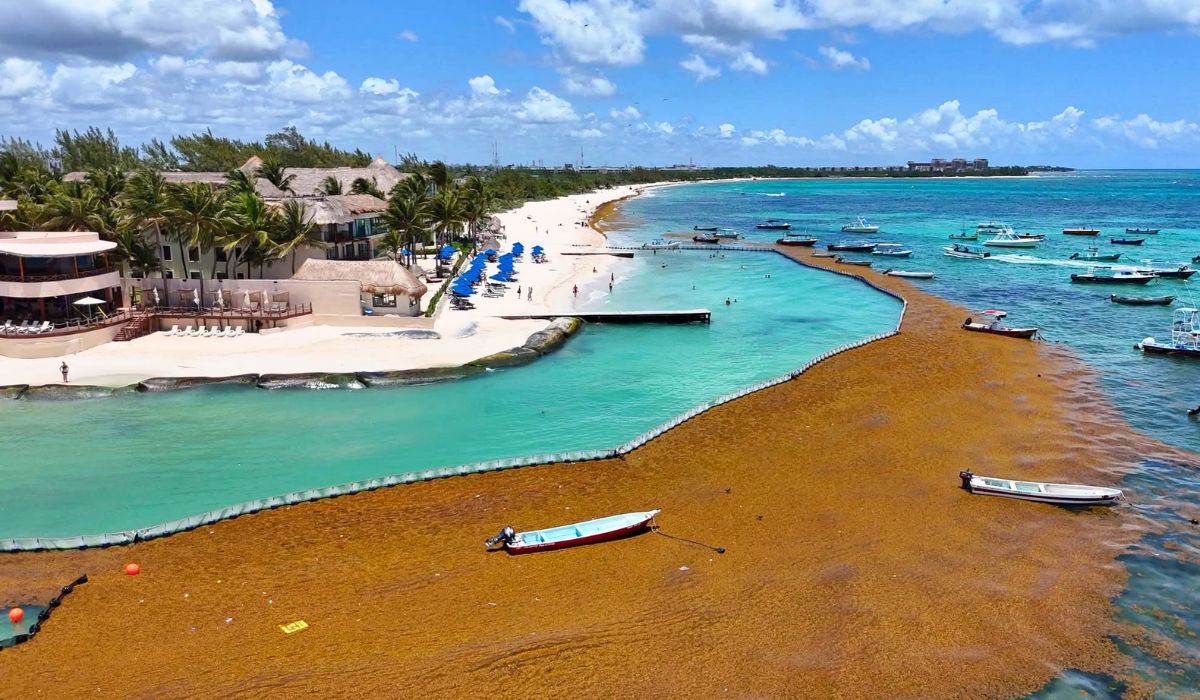
Travelers planning a getaway to Cancun in 2026 may want to take note: the 2025 sargassum season was one of the toughest in recent Caribbean history. According to the University of South Florida Sargassum Watch System (SaWS), the “Great Atlantic Sargassum Belt” reached record levels this year, creating extensive seaweed buildups on Mexico’s Caribbean coast.
Data from the Quintana Roo Sargassum Monitoring Network confirms that the southern corridor of Cancunstretching towards Puerto Morelos experienced the heaviest impact. Throughout the spring and summer of 2025, these beaches received repeated “abundant” and “excessive” sargassum warnings.
Most affected beaches in 2025
- Playa Coral (Mirador II) – Often topped the daily charts due to excessive sargassum.
- Riviera Cancun and Moon Palace – Exposed southern coastlines recorded high accumulation levels.
- Royalton Riviera and Bahia Petempich – Continued heavy landings noted.
- Punta Caracol and Puerto Morelos (north) – Continued influx of seaweed throughout the summer.
- Vidanta / Playa Paraiso to Punta Maroma – Repeated arrivals during peak months.
Experts attribute this pattern mainstream currents pushing sargassum onto the coast south of Cancun’s hotel zone. Satellite images from USF confirmed these findings, showing record concentrations in the region’s waters by mid-year.
Conditions in the hotel zone: manageable but not immune
Central Beaches of Cancun’s Hotel Zone– including Gaviota Azul, Chac-Mool, Marlin, Ballenas, Delfines and Punta Nizuc – experienced moderate sargassum levels in 2025. Thanks to improved cleanup operations, many pieces were restored to their signature turquoise-blue clarity within hours of seaweed washing.
Local authorities and volunteers have collectively removed tens of thousands of tonnes of sargassum, marking a notable improvement in coastal management compared to previous years.
Best bets for clear beaches in 2026
For travelers who want to avoid sargassum in 2026, experts recommend focusing on naturally sheltered locations like Isla Mujeres And Isla Contoywhose west-facing beaches are largely protected from the Atlantic influx.
The optimal travel period for seaweed-free conditions runs from October to Februarywhen seasonal currents and wind patterns change. In 2025, conditions improved dramatically in mid-October and the beaches in Cancun began to return to their pristine state.
Tips for travelers: stay flexible and informed
- Check live conditions: Use real-time webcams and sargassum tracking maps before heading to the beach.
- Have backup plans: Explore cenotes, lagoon tours or day trips to islands during seaweed waves.
- Strategic booking: Choose resorts with active cleaning crews and protective barriers.
Safety and environmental notes
Although sargassum is not inherently dangerous, it can create slippery surfaces and emit mild odors as it decomposes. Beachgoers should always do that observe local safety flags and avoid discolored or cloudy water.
In addition to the visual impact, scientists note that the growing influx of sargassum is causing environmental problems, as excessive blooms can degrade marine habitats and coastal ecosystems.
In short, for 2026 travelers
If 2026 mirrors 2025 patterns, visitors to Cancun should expect some presence of sargassum, especially in southern zones such as Puerto Morelos. However, proactive beach maintenance and smart trip timing ensure that you can still experience Cancun’s famous turquoise waters with minimal disruption.
By planning your stay well seasonal trends And geographically protected areasyou’re best positioned to enjoy a cleaner, more vibrant Caribbean escape next year.