Angola’s economy in transition: tourism drives diversification and sustainable growth | News
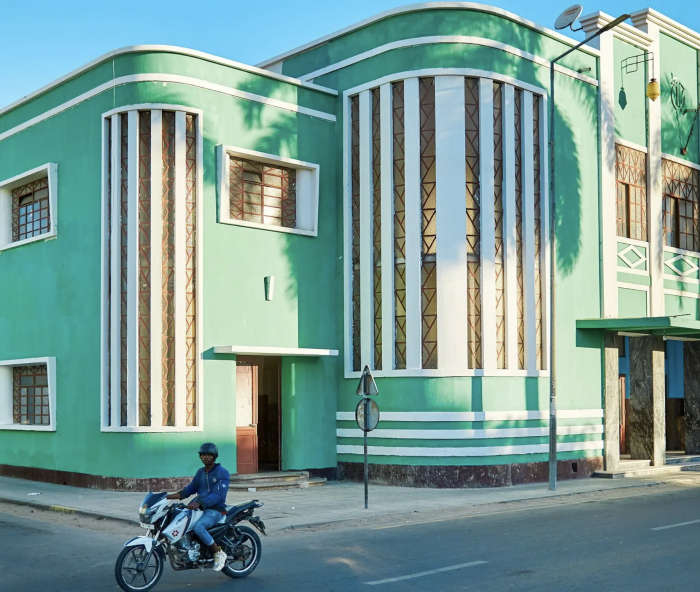
In addition to agriculture, industry and renewable energy, tourism is increasingly emerging as an important growth engine. As the official host country of ITB Berlin 2026, Angola aims to promote sustainable growth, employment and regional development.
According to the latest estimates from the International Monetary Fund (IMF, World Economic Outlook Database, April 2025), Angola is among the leading markets in the region and is often compared to Nigeria, South Africa and other major sub-Saharan economies. In 2024, the South West African country recorded real GDP growth of 4.4 percent, its strongest economic performance in five years. This growth has been largely driven by the non-oil sector and signals a clear structural transformation.
While the oil industry continues to play a central role – contributing around 28.9 percent to GDP and around 95 percent to export earnings – production levels are declining in the long term. Against this background, economic diversification is gaining importance. Sectors such as agriculture and fishing have more than doubled their share of GDP since 2010, underscoring Angola’s strategic realignment.
Reform agenda and investment drive
Through its long-term development strategy, ‘Angola Vision 2050’, and the National Development Plan 2023-2027, the government has created a clear framework to promote economic transformation, increase productivity and create employment. Central to this approach are reforms to improve the business environment, promote small and medium-sized enterprises, invest in infrastructure and gradually privatize state-owned enterprises in collaboration with international partners such as the World Bank.
Tourism as Angola’s ‘green oil’
Tourism plays a key role in this strategy. Angola’s rich natural and cultural landscapes, long largely unexplored internationally, offer significant potential for employment and local value creation.
“Angola cannot base its economic future on oil alone. Tourism is our green oil, with enormous potential to create jobs, develop rural areas and sustainably utilize our cultural and natural heritage,” emphasizes Márcio de Jesus Lopes Daniel, Minister of Tourism of the Republic of Angola.
Through the National Tourism Plan (PLANATUR), the Angolan government aims to double tourism revenues by 2027, create approximately 50,000 new jobs and increase the tourism sector’s contribution to GDP to 1.9 percent. To achieve this, a comprehensive support program has been launched: a total of almost 7 trillion Angolan Kwanza (about 8.23 billion euros) will be invested in development and infrastructure projects, as well as in supporting private sector investments in tourism. In addition, approximately Kwanza 20 billion (approximately €23.5 million) is allocated annually to support private tourism operators, while licensing and administrative procedures are continuously simplified.
This is complemented by extensive visa facilitation for almost 100 countries, significantly easing entry into the country and boosting international demand.
Investments in infrastructure and catering
With Dr. International Airport António Agostinho Neto, Luanda has a modern international hub with a capacity of up to 15 million passengers per year. The airport not only improves international connectivity, but also lays the foundation for the expansion of business and event tourism. International hotel chains such as Marriott International, IHG Hotels & Resorts and Accor have implemented or announced projects in Angola in recent years, indicating growing confidence from international investors. At the same time, there remains high demand for additional hotel and accommodation capacity, especially outside the capital.
MICE, connectivity and regional development
The expansion of the MICE segment (Meetings, Incentives, Conferences, Exhibitions) is also part of the diversification strategy. A modern convention center is currently being built in Luanda, supported by the establishment of an Angola Convention Bureau, designed to systematically engage the international events market.
Infrastructure projects such as the Lobito Corridor open new perspectives for cross-border trade and tourism. The modernized rail link from the Atlantic port of Lobito to the Democratic Republic of Congo and Zambia will be a backbone for economic integration and sustainable tourism along the route. With a young population, strategic location, extensive reforms and targeted investments in key sectors, Angola offers attractive opportunities for investors, businesses and tourism partners. Tourism is emerging as a central pillar of economic diversification, with long-term potential for growth, employment and international connectivity.
More information about Angola, the official host country of ITB Berlin 2026, is available at www.angolatourism.com.