American further strengthens its flagship hub | News
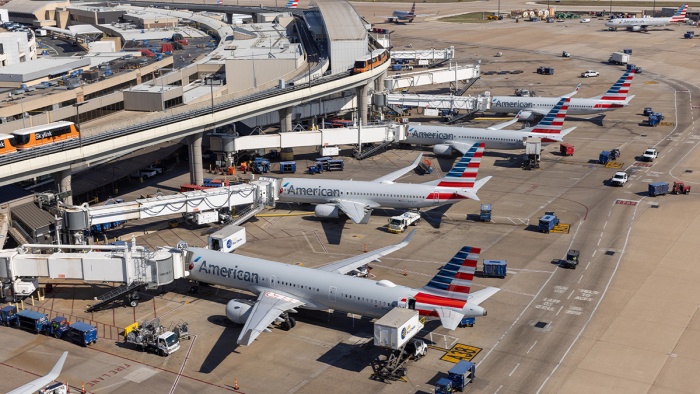
American Airlines is fundamentally changing the way it does business at Dallas Fort Worth International Airport (DFW), the airline’s largest hub, and the airline’s customers will soon benefit from these changes in a meaningful way.
DFW has a huge impact on the rest of the airline’s operations and on the journeys of the nearly 700,000 customers the airline serves every day across its global network. Every day, more customers and more baggage travel through DFW than any other airport in the U.S. network – with more than 30% of all daily connecting customers and daily connecting checked bags passing through the airline’s home city airport. When DFW runs well, America runs well. That impact requires continued focus and investment, and both are already well underway. The airline is investing millions of dollars to strengthen DFW and delivers:
Smoother, seamless airport experiences
More certainty in timetables and connections
Improved resilience when weather or other disruptions strike
Restructuring DFW today for the customer journeys of tomorrow
For more than a decade, the U.S. schedule at DFW has been concentrated across nine banks, or large clusters of flights during the workday. As all airline banking structures do, this time large groups of flights together, coordinating arrivals and departures and ultimately ensuring fast and seamless connections.
Beginning in April – and visible in the airline’s schedules as of December 27 – American’s DFW operation will evolve to a 13-bank structure, providing greater certainty to the airline’s average 100,000 peak customers per day traveling on DFW’s more than 930 average peak flights per day.
“As the operating environment and our customers’ expectations have evolved over the past decade, our approach at our largest and most impactful hub must evolve as well,” said Jim Moses, Senior Vice President of DFW Operations. “We’re making this important change while maintaining the same breadth, depth and quality of planning that our customers expect and depend on. That means good things for American’s customers, our team members and virtually everyone who depends on the airline.”
With this structural schedule change, customers will also benefit from improved early morning departure times compared to 2025. Specifically, they will experience more departure options in highly desirable time windows and fewer early morning departures to DFW, which is especially good news for customers making morning connections through DFW.
For even more travel security
In addition to the airline’s DFW schedule, American is making a bold and unprecedented investment in block time for flights to and from DFW and across the airline’s network. Block time – the total scheduled time from pushing back from the departure gate to arriving at the destination gate – determines how long a customer’s journey takes.
With this investment in American’s customers, the airline is delivering more on-time departures, which leads to more on-time arrivals and fewer delays, all of which makes for an overall smoother and improved travel experience. In short, American is strengthening its ability to get its customers and their bags where they want to go on time.
Maximize connections, minimize disruptions
Improved connection times for customers: American makes it easier to connect through DFW. While customers will still have the flexibility to book tight connections when time matters, especially for business travelers, the schedule improvements provide more options for a stress-free experience. American’s new structure at DFW reduces the concentration of very short connection times, creating more balance and giving customers more confidence when planning their travel.
More connectivity options: The new banking structure retains virtually all existing connectivity options while also creating new opportunities at the airline’s most connected hub airport.
It’s also great for bags: just as connections with customers will improve, connections with checked bags will also improve. This means that even more bags arrive at the customers’ doors, and in many cases before the customers arrive. American has doubled down on checked bag management in recent years, and this fundamental change at DFW further enhances the work customers are already experiencing.
Airspace efficiency: What’s good on the ground is also good in the air. By adjusting the U.S. DFW schedule, the airline is helping to make the airspace around the DFW metroplex even more efficient, meaning fewer air traffic delays and more on-time departures and arrivals for customers.
Improving the overall airport experience
As American spreads out its DFW flight schedule throughout the day, the airline is also spreading out its customer volume, including everything from local customers arriving at parking garages, checking into lobbies and handling security to connecting customers passing through American’s terminals to their next flights.
These changes come in addition to a number of other critical investments to further improve the customer experience when traveling through the US flagship hub, and importantly, enable future growth, which means more flight and destination options for our customers. That includes:
Modernization of American’s facilities and airport terminals, including expansions of Terminal A and C Pier with the addition of nine incremental gates.
Expanding the U.S. DFW footprint with the addition of Terminal F. When completed in 2030, the airline will operate all 31 new gates in the terminal with increased widebody capacity, state-of-the-art baggage technology and dedicated premium lounges, Flagship check-in and a new U.S. Customs facility.
Streamlining the airport security experience through new and innovative programs in partnership with the Transportation Security Administration and U.S. Customs and Border Protection. TSA PreCheck Touchless ID allows customers at DFW (and 16 other locations across the broad U.S. network) to use facial recognition technology for more secure and efficient identity verification. And with Enhanced Passenger Processing and One Stop Security – which American was the first U.S. airline to roll out – customers arriving at and connecting through DFW from international travel will experience record-fast U.S. immigration processing times along with a vastly improved connection to their next flight.
Reimagining traffic flow, in partnership with DFW Airport, to deliver a seamless pre- and post-flight travel experience. Critical traffic flow updates went live just before the winter holiday season.
Even better recovery in bad weather
No airline recovers from bad weather and irregular operations better than American, and the airline has shown that time and time again. Having the airline’s largest hub at DFW offers immeasurable benefits to U.S. customers and the airline more broadly, including the ability to easily connect through an airport centrally located in the U.S.
With all the benefits that DFW brings, the company has also recently experienced a disproportionate amount of bad weather, particularly thunderstorms that can cause the entire airport to shut down until conditions clear. When that happens in the future, this new schedule structure will provide much greater resiliency and fewer adverse impacts, allowing American to recover even faster and get customers on the road once the weather clears.
“Our investment in operational resilience extends beyond our DFW schedule,” said Moses. “We know the negative impact of flight diversions on our customers. They are also incredibly disruptive to the wider airline, especially as they cause congestion at airports, which often limits our ability to get planes to a gate and, most importantly, customers off.”
At DFW, American is investing millions of dollars in additional remote disembarkation capabilities (everything from equipment and buses to personnel), which, most importantly, will allow the airline to divert fewer flights from DFW.