One Quiet Room, Different Faiths: Sharing a Place for Prayer
4 min read | Faith
One person needs space to kneel. Another needs a chair. A shared prayer room has to account for both.
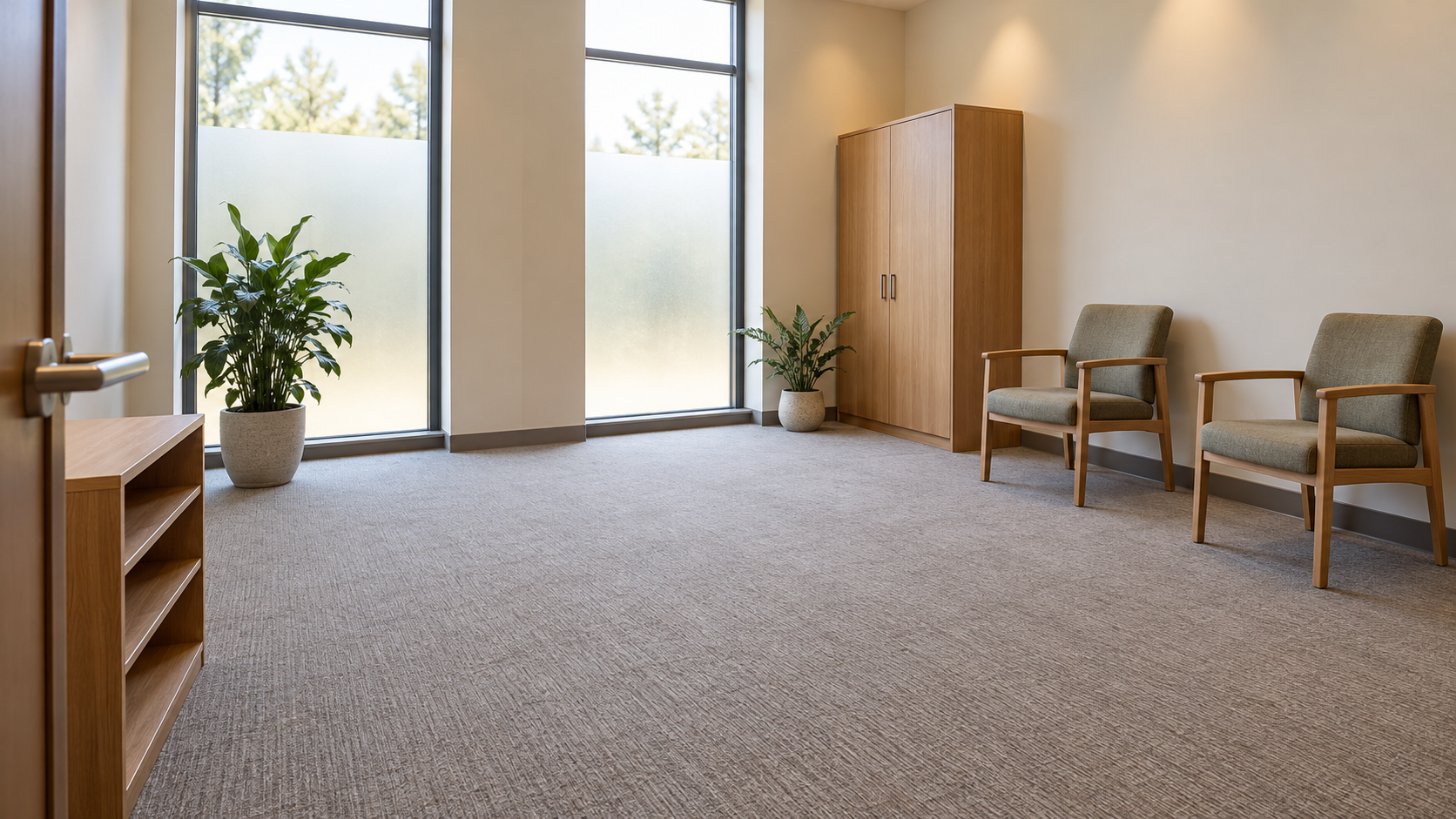
The door opens onto a small room away from a busy corridor. There are a few chairs against the wall and enough clear floor space for someone to spread a prayer mat.
For the next few minutes, people may use that room for very different reasons.
A multifaith prayer room makes space for those differences. Sharing it does not require a shared prayer or agreement about belief. It requires practical arrangements that people can understand before they enter.
One Room Does Not Mean One Way to Pray
Some people pray standing or kneeling. Others sit. A person may arrive with a sacred text, while another comes for silent reflection.
The room’s purpose should explain who can use it and what activities it accommodates.
Reuben College at Oxford, for example, welcomes people of any faith or none to its multifaith room for private prayer, contemplation, or meditation. That is the policy of that particular space, not a rule governing every prayer room. reuben.ox.ac.uk
Check the local arrangements. A room inside a workplace or university may be restricted to members of that organization.
And entering the room does not oblige anyone to participate in another person’s observance.
Read the Guidance Before Settling In
Look for instructions near the entrance or on the organization’s website.
Find out if individual visitors can enter freely or need to book. Check the timetable before assuming an empty room is available.
Footwear arrangements also deserve attention. Some users pray close to the floor, making the condition of that surface especially relevant.
At Goldsmiths, University of London, users who remove shoes as part of their religious practice are asked to leave them in the lobby racks. Other facilities may use a different arrangement. www.gold.ac.uk
Follow the guidance for the room you are entering. If it is unclear, ask the coordinator rather than making assumptions about other users.
Agree on What Quiet Means
A person praying silently may find spoken group worship distracting. A group whose practice involves sound may need a separately scheduled space.
The people managing the room should explain how those needs are handled.
Some rooms require silence throughout. Lincoln College at Oxford prohibits music, chanting, and singing in its shared prayer and quiet room. lincoln.ox.ac.uk
That restriction does not describe every multifaith facility. It shows why reading the rules matters.
If your practice needs a different arrangement, contact the organizer in advance. A scheduling conversation is more useful than a disagreement between users who have already arrived to pray.
Keep the Space Physically Accessible
An open floor is useful, but it is not the only consideration.
Someone may need a chair with armrests. Another person may need a clear route for a mobility aid. Bags left near the entrance can make an otherwise usable room difficult to enter.
Avoid moving furniture into access routes. Ask before handling another person’s belongings.
For organizations creating a prayer room, consulting the people who will use it is a practical first step. Religious identity alone does not tell you someone’s physical requirements.
If a request cannot be accommodated, explain the limitation and discuss possible alternatives.
Treat Prayer Items With Care
A book or mat left on a shelf may belong to an individual. Its presence does not automatically make it available for everyone.
Ask before using unfamiliar items. Follow the room’s storage instructions and return anything you borrow to its designated place.
Check the rules before bringing candles or incense. Building policies may prohibit them. Lincoln College’s guidance, for instance, does not permit candles, incense, or other naked flames. lincoln.ox.ac.uk
Food rules can differ, too. Do not assume an exception exists because an item has a religious purpose. Ask the room manager about the activity you have planned.
Give People Privacy
Someone who comes to pray may want a few minutes without conversation.
Save introductions and questions for another time. Do not photograph occupants without permission, even if your intention is to show how welcoming the space is.
Keep your phone silent. Take calls outside.
If a practical problem develops, use the named contact rather than confronting someone about their religion. Explain what happened: a booking conflict or belongings blocking the entrance.
Goldsmiths directs suggestions and conflicts over room use to its chaplaincy, giving users a route for resolving concerns. www.gold.ac.uk
Leave the Room Ready for the Next Person
Before leaving, collect your belongings and follow the instructions for returning furniture or shared items.
Respect the end of a booking. The person waiting outside may have limited time before returning to work or class.
On your first visit, read the room’s guidance and find the contact for questions. On every visit after that, leave the space ready for someone whose practice may look different from your own.