When the Movie Villain Steals the Fans From the Hero
4 min read | Entertainment
The hero saves the day. The villain gets the costume everyone remembers.
The credits roll, and the conversation turns to the character who caused most of the trouble.
Someone imitates their entrance. Someone else praises the performance. The hero made the right decisions, but the villain supplied the scene people want to watch again.
Popular movie villains reveal a distinction between moral approval and entertainment. Wanting a character on screen does not necessarily mean wanting them to win.
Sometimes the antagonist simply gives the audience more to watch.
The Villain Can Change the Temperature of a Scene
A hero may spend much of a film responding to problems. An antagonist creates them.
That gives the villain opportunities to interrupt the story’s rhythm. Their arrival can turn an ordinary conversation into a threat or force the hero into a decision they hoped to avoid.
Notice what changes when a memorable antagonist enters.
Does the music shift? Do other characters stop speaking freely? Does an actor accomplish with a pause what another scene needs a speech to explain?
Those choices belong partly to the performance and partly to the filmmaking around it. The character receives the attention, but an entire production helped arrange the entrance.
A Strong Design Gives Fans Something to Remember
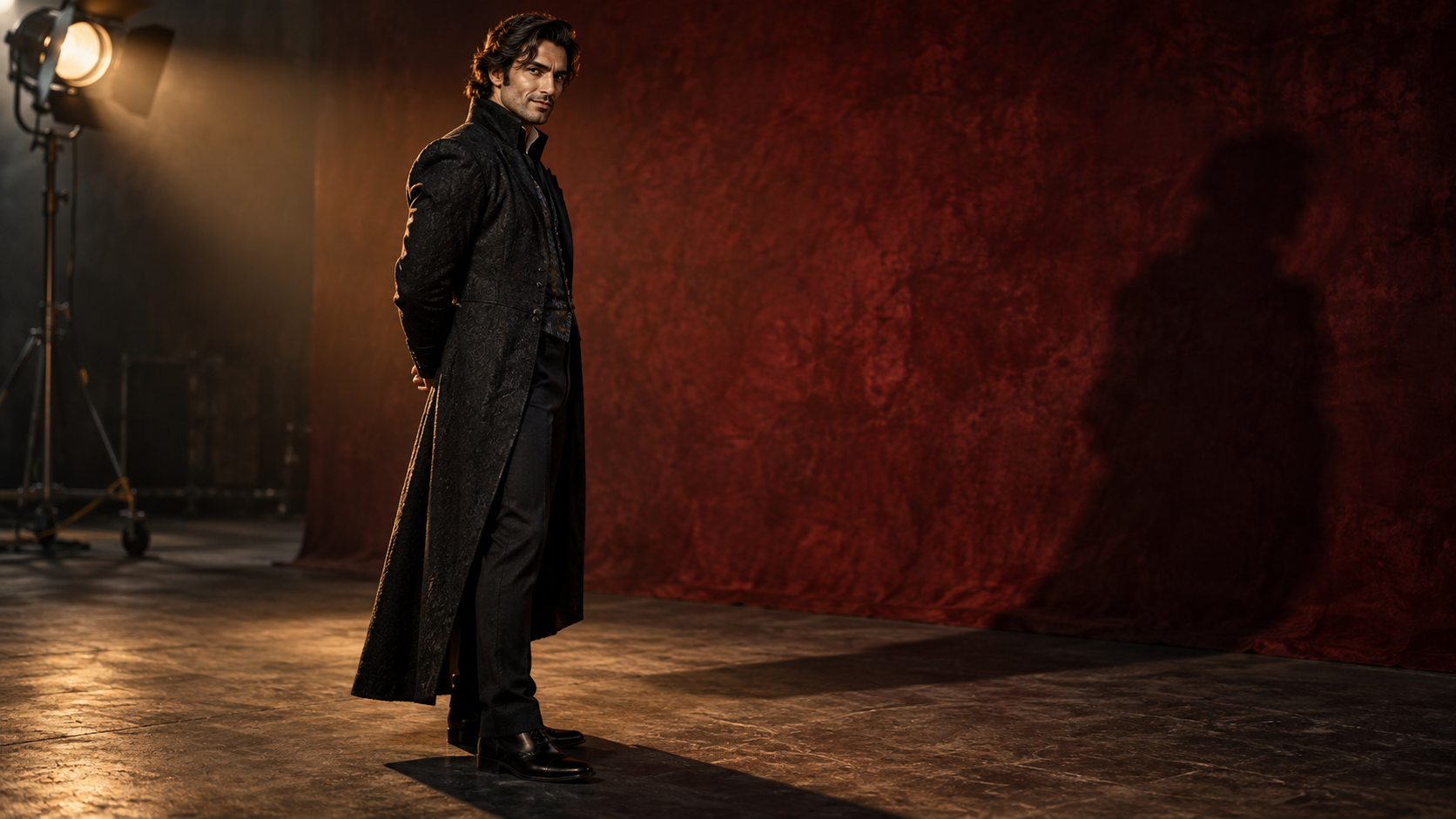
A silhouette can do work before a character speaks.
Costume and makeup help distinguish a villain from everyone around them. They also give audiences details they can recognize outside the film.
Cruella makes that visual appeal central to its storytelling. Disney’s account of the production highlights costume designer Jenny Beavan’s work and the film’s combination of punk influences with glamour. www.disney.com.au
That does not prove viewers prefer Cruella to every hero. It shows how much creative attention can go into making a villain-associated character compelling to look at.
A costume worn by a fan may celebrate that design. It is not, by itself, a statement endorsing everything the character does.
Fiction Makes Identification Less Threatening
A villain can possess a quality viewers recognize in themselves without being someone they would trust in real life.
Ambition is one example. So is frustration at being overlooked.
Research by Rebecca J. Krause and Derek D. Rucker, published in Psychological Science in 2020, examined attraction to fictional villains who resemble the viewer. Their findings suggest that fiction can make such similarity less threatening to a person’s self-image, allowing it to become a source of attraction despite the character’s negative qualities. journals.sagepub.com
That is a narrower claim than saying everyone secretly wants to behave badly.
A viewer may recognize one trait while rejecting the choices built around it. Identifying with a character is not the same as agreeing with their entire worldview.
Understanding a Motive Does Not Excuse the Method
A backstory gives an audience information. What it does with that information is another matter.
Learning that a character experienced rejection may explain their resentment. It does not make harming someone an inevitable or justified response.
This distinction matters when discussing villains whose films invite sympathy.
The character’s pain can be understandable while their response remains wrong. Both ideas can exist in the same conversation.
Stories become less interesting when every explanation is treated as an excuse. They also lose something when a character’s wrongdoing makes their motives impossible to discuss.
A Favorite Villain Is Not Always Someone You Root For
When someone calls a villain their favorite, ask what stayed with them.
It might be the way an actor delivers a quiet threat. Perhaps it is a costume recognizable in silhouette. Or a decision that forces the hero into an impossible position.
Those are different reasons to admire a character.
A viewer can appreciate the performance while hoping the villain fails. They can understand a motive without accepting it. And they can find the antagonist more entertaining than the hero without thinking the story chose the wrong winner.
Naming what worked gives the conversation somewhere to go beyond arguing that one character is simply better.
A Memorable Villain Can Make the Hero More Interesting
The strongest antagonist does more than occupy the audience’s attention.
They place pressure on something the hero believes. A confident protagonist may be forced to admit uncertainty. Someone committed to a principle may face a genuine cost for keeping it.
Watch what the hero has to change or defend because this particular opponent exists.
If removing the villain leaves the protagonist’s story almost untouched, the character may be memorable mainly as a performance or design. If the entire conflict collapses, the villain is doing substantial dramatic work.