Sports Rituals: Why Teams and Fans Keep Repeating Them
5 min read | Sports
A player taps the doorframe before heading onto the field. In the stands, a supporter reaches for the same old scarf. Neither action appears in the rulebook.
Watch a game before the first whistle and you will see a second performance taking place.
Players repeat movements in a familiar order. Supporters wait for the opening notes of a song. Someone explains a tradition to a child attending for the first time.
These sports rituals can look similar from a distance, but their meanings differ. A warm-up prepares the body. A personal superstition attaches significance to an object or action. A cultural tradition may carry a history that reaches far beyond the team performing it.
Understanding the difference gives you another reason to watch, even when the score refuses to move.
Pregame Routines Give Preparation an Order
A swimmer adjusts their goggles before stepping onto the block. A basketball player follows a familiar sequence before a free throw.
Some repeated actions have an obvious practical purpose. Equipment needs checking, and athletes need to prepare for the demands of play. Repeating a sequence can also give that preparation a recognizable beginning and end.
But an observer cannot always tell where preparation stops and superstition begins.
An athlete might eat the same meal because it suits their training schedule. Another might repeat it because they once played well afterward. The action looks identical. The reason is different.
That distinction matters when explaining a ritual. Repeating something before a win does not establish that it caused the win.
A Lucky Object Does Not Explain the Result
A familiar pair of socks can acquire a story. They were there for a memorable victory, so the player keeps wearing them.
The object becomes associated with what happened. That association is not evidence that it changes the next result.
It is tempting to give every superstition a tidy scientific explanation, such as saying it always reduces anxiety or improves performance. The evidence requires more care. One frequently cited study claiming that rituals improved performance by reducing anxiety was later retracted. It should not be used to support that promise. crossmark.crossref.org
A better approach is to distinguish what a player says a ritual means from what research can establish. Someone may describe a routine as comforting. That does not prove the same routine helps every athlete.
Stadium Traditions Give Spectators a Part to Play
Fans cannot take the next shot or catch the next ball. They can join a song.
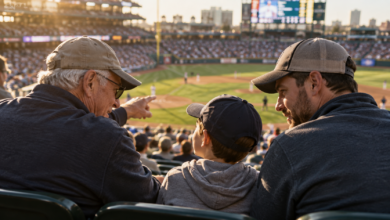
A repeated crowd tradition gives spectators a recognizable moment in the event. Returning fans know when to begin. Newcomers can watch and gradually join.
Baseball’s seventh-inning stretch is one example. It takes place in the middle of the seventh inning, late in a standard nine-inning game, rather than halfway through it. www.mlb.com
The tradition also takes on local character. At Baltimore Orioles home games, singing John Denver’s “Thank God I’m a Country Boy” has become a distinctive part of that break. www.mlb.com
For someone attending for the first time, such a moment can be easier to follow than the game itself. You do not need to understand the previous pitching decision to recognize that the people around you are standing and singing.
Some Traditions Carry a Cultural History
Not every pregame performance is a team’s invented routine.
The haka performed by New Zealand rugby teams is rooted in Māori culture. New Zealand Rugby describes its connection to identity and heritage, including the relationship between teams and the land they represent. www.allblacks.com
There are distinct haka associated with different teams. The All Blacks perform Ka Mate and Kapa O Pango; the Māori All Blacks perform Te Tīmatanga. Those names refer to traditions with their own histories and meanings. www.allblacks.com
Calling all of them “a dance before a match” leaves out much of what a viewer is seeing.
For spectators, learning the name and background of a performance is a useful starting point. It also prevents an article about sports customs from flattening cultural expression into another example of superstition.
Shared Traditions Are Not All About Winning
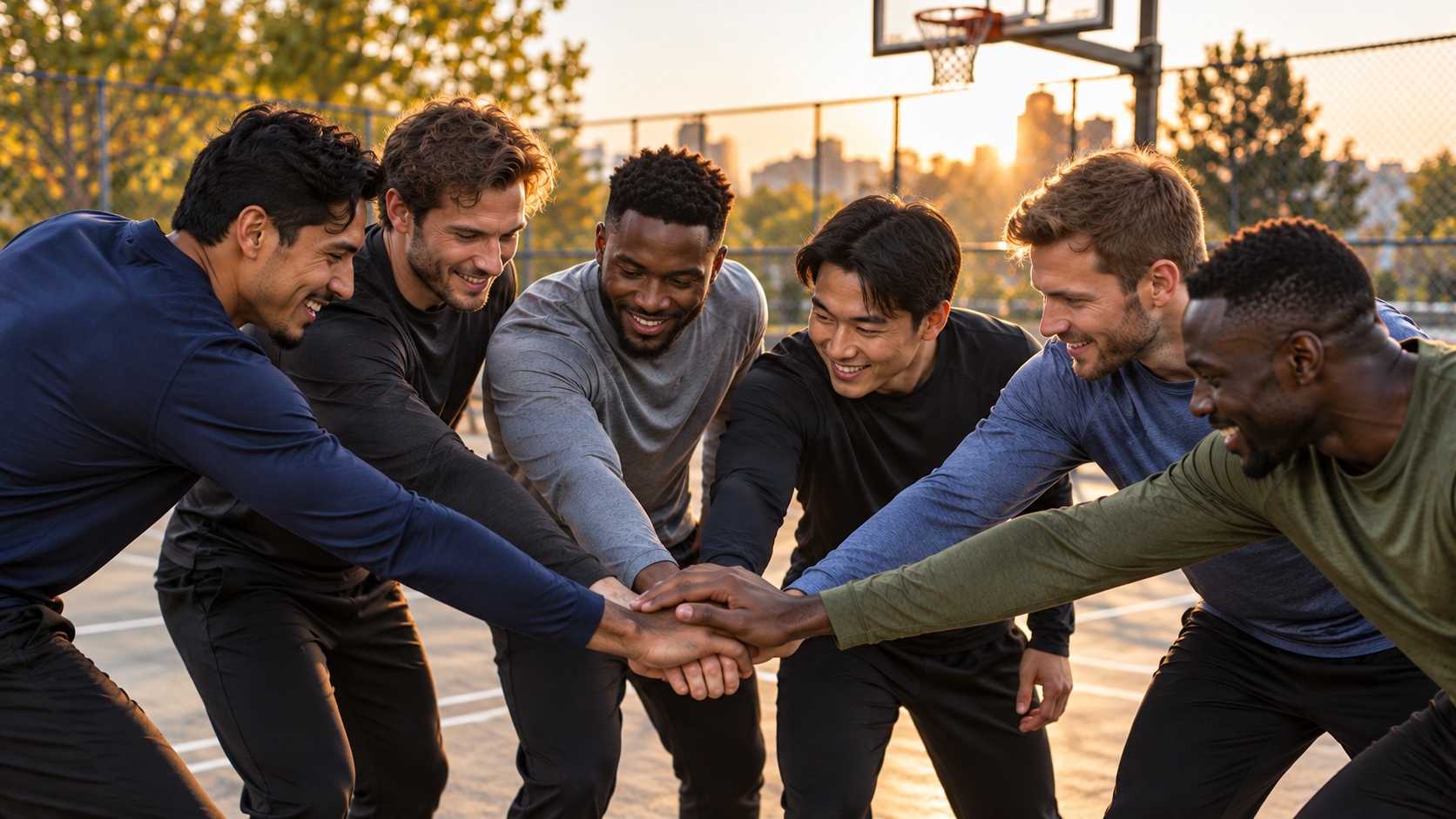
A personal ritual may be tied to a player’s preparation. A crowd tradition can continue regardless of what happens on the field.
That difference helps explain why the final score is not enough to understand an event.
A stadium song has lyrics and a place in the schedule. A cultural performance has a history. A player’s private routine may have an explanation known only to them.
Instead of assuming they all serve the same purpose, ask what each one means to the people taking part. The answer may concern a particular victory. It may concern membership in a community. Sometimes it is simply a familiar part of attending.