The typical home will cost a million dollars when millennials retire
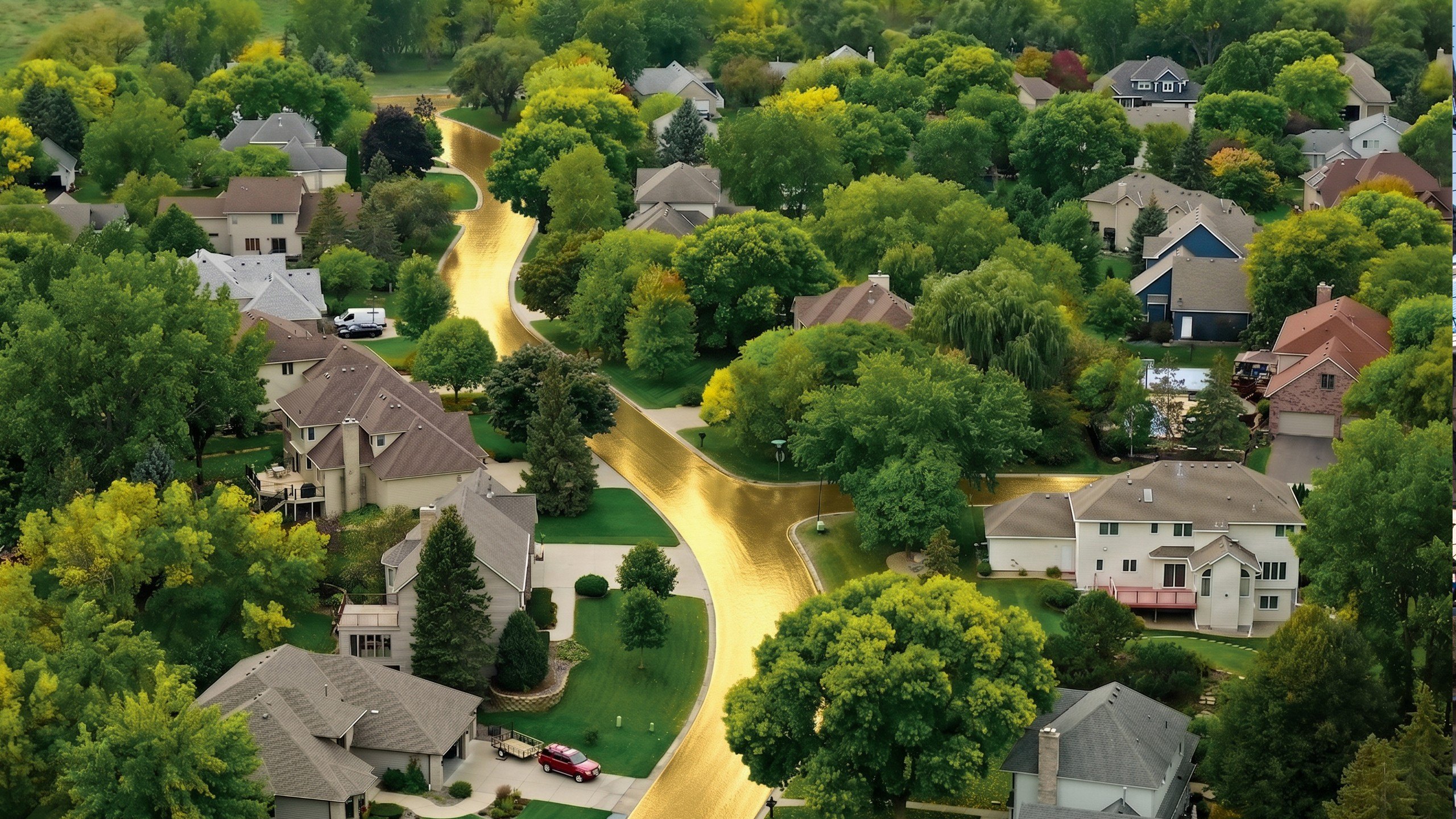
The average home price in the US is likely to reach $1 million around the year 2050, when the millennial generation reaches traditional retirement age, a leading housing economist has predicted.
“Essentially, the national median home price will be $1 million in about 25 years.” Lawrence Yunchief economist for the National Association of Realtors®, said Tuesday at a conference in Washington, DC. “It may be hard to imagine, but in 1990 the national average price was $90,000.”
Yun noted that even San Francisco, then considered an exorbitantly priced real estate market, had an average price of just $250,000 in 1990.
Last month, the national median sales price for existing homes was nearly $430,000. Yun used multiple scenarios to project home prices into the future, and says each scenario pointed to roughly the same timeline for reaching $1 million: about 25 years.
“Homeowners will continue to build wealth, while renters simply spin their wheels,” Yun said, addressing NAR members at the group’s annual Legislative Meetings conference.
Yun says he does not expect the US to be hit by an economic recession in 2026. He predicts job growth for the year of a solid 400,000.
His 2026 housing market forecast remained unchanged since he last revised it in April, when he sharply revised down projected home sales for the year in response to rising interest rates.
The economist now expects mortgage rates to average 6.5% in 2026, approximately where they are now. He sees house prices rising by 4% this year, slightly more than the 3% increase in 2025.
Yun now predicts that transaction volume of existing home sales will grow 4% from the 30-year low reached in 2025 as higher interest rates kept the market frozen.
Although mortgage rates hit a three-year low in late February, interest rates remain modestly lower than a year ago, breathing some life into the housing market.
Jessica Lautzsays NAR deputy chief economist and vice president of research that certain segments of buyers remain active in the market despite ongoing affordability challenges.
“I’ve been traveling around the country this year and I’m hearing a lot from you that it’s a really crazy market,” Lautz said at the event on Tuesday. “You put a house on the market and sometimes it stays there for months. And sometimes there are multiple offers and they can be next to each other.”
Lautz described a surprisingly wide range of buyers who remain active even in an “unstable” market.
These include boomers who bought decades ago and never sold, young owners who bought apartments at ultra-low rates during the coronavirus crisis and are now looking to trade up, and renters who have pets and need space or a yard.
“We talk incessantly about first-time homebuyers. What about first-time homebuyers?” Lautz said, noting that 17% of younger baby boomers selling this year had never sold a property before.
However, she noted that baby boomers are “not really downsizing” as they enter retirement. Younger boomers often buy homes with similar square footage, just in different locations, often near their grandchildren, Lautz says.
Lautz also addressed persistent myths about down payments that she said could hold back some potential buyers.
“There is misinformation out there,” Lautz said, noting that many potential buyers still think they need a 20% down payment. “The typical down payment for first-time homebuyers was just 10% last year.”