‘Bait’ team builds the show’s James Bond storyline onto the screen
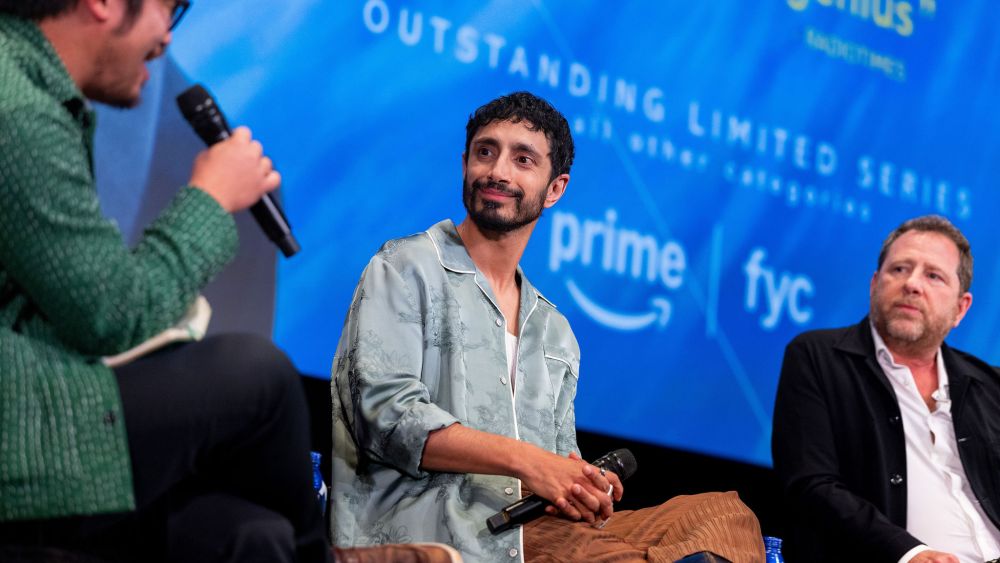
The team behind Prime Video’s limited series Bait – which follows a British-Pakistani actor as he auditions for the role of James Bond and faces backlash from audiences and his family – came together for a panel discussion at the Hammer Museum in Los Angeles to give audiences an inside look at the making of the show.
Star Riz Ahmed was joined by co-showrunner Ben Carlin, producer Allie Moore, director Bassam Tariq and music supervisor Kira Elwis for a conversation moderated by film director Daniel Kwan.
Ahmed explained that the original concept for the show was not about James Bond, but that the inspiration came to him after starring in ‘Rogue One’ and ‘The Night Of’.
Ahmed said he experienced a disconnect between the way people saw him and his daily reality. While people imagined him “on a yacht with Han Solo,” he was actually “walking around in flip-flops and cycling shorts” and joked about being “banned from Tescos for being a suspected shoplifter the same week ‘Star Wars’ comes out.”
Ahmed said: “Someone told me that distance is the amount of shame you carry. I thought, ‘Yes, that’s true. I need to get therapy or make a TV show about it.'”
Carlin later brought up the Bond angle, telling Ahmed that the show needed “one central point or vessel or symbol to tell this story… It’s less about how the outside world reacts… and more about what it does to him,” Carlin said, explaining that the show eventually began to reflect the internal struggle.
The team also talked about experimenting with the show’s tone, with Ahmed saying that because the main character is undergoing an identity crisis, the show should do the same. Each episode had a different style, ranging from ‘a Bollywood soap episode’ to ‘a Linklater ‘Before Sunrise’ walk-and-talk’.
Moore said the team’s guiding principles have always been “character and tone,” while Tariq described the challenge of balancing absurdity and emotional realism. Referring to a dramatic Bollywood-style scene, he explained that they wanted the audience to respond with a real emotional shock: “You want to make sure it doesn’t feel Bollywood, that you’re saying, ‘Fuck.'”
Music also played an important role in shaping the show’s identity. Elwis described how he delved deep into classic Pakistani and Bollywood soundtracks while incorporating contemporary underground artists.
Ahmed also brought elements of his personal life into the show: “Being a Muslim in the West feels like being stuck in a spy thriller,” he said. The show then used Bond imagery and surveillance themes to portray “the paranoia, the surveillance, the feeling of being watched but not really seen.”
The panel concluded with Ahmed talking about the audience’s reaction to the show’s screening in Texas, with people saying they saw themselves represented on screen: “Being able to recognize yourself in the stranger is the purpose of the story.”