What does a new Fed chairman mean for real estate agents?
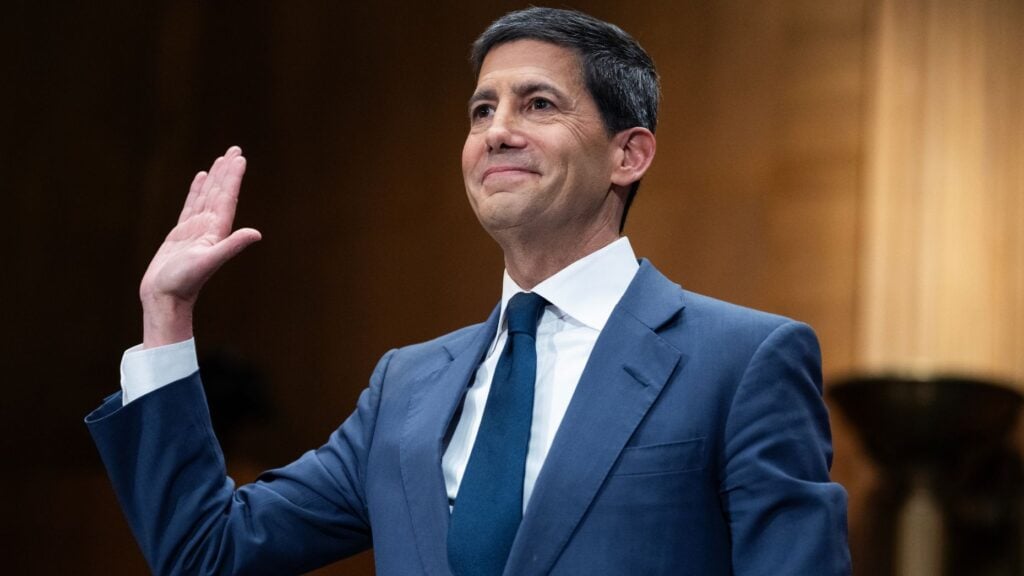
Now that Kevin Warsh has been confirmed as Federal Reserve chairman, industry leaders share what his approach to monetary policy could mean for interest rates and affordability.
The Federal Reserve has a new chairman and the housing market is closely monitoring the situation.
The Senate voted 54-45 on Wednesday to confirm Kevin Warsh as the next chairman of the Federal ReserveInstalling new leadership at the central bank, just as high inflation complicates the arguments for interest rate cuts, a dynamic with direct consequences for housing affordability and mortgage demand.
Warsh succeeds Jerome Powell, whose term as chairman ends Friday, May 15. His first meeting as chairman of the Federal Open Market Committee is scheduled for June 16-17.
In the wake of Warsh’s confirmation, housing experts suggested he could be moderate when it comes to rates — meaning he could favor lowering rates in an effort to stimulate the economy. Lower interest rates would certainly be welcome news for real estate professionals, although the broader economic picture is complicated and cheaper loans are far from guaranteed.
Here’s what industry leaders are saying about what the confirmation means for the housing and mortgage markets:
Bob Broeksmit, president and CEO of the Mortgage Bankers Association, said the trade group looks forward to engagement under the new chairman.
“MBA congratulates Kevin Warsh on his appointment as Chairman of the Federal Reserve. His experience in the financial markets and thoughtful approach to monetary policy will serve the country well during this crucial period for the economy. We look forward to continued engagement on policies affecting the banking and housing finance systems and will continue to advocate for a more balanced and risk-adjusted approach to capital standards that impact mortgage lending and commercial real estate financing.”
Cotality chief economist Dr. Selma Hepp said the implications for housing depend less on current rates than on how the policy is communicated in the future.
“Overall, a Warsh-led Fed could be a bit more dovish on interest rates, anchored by productivity optimism, while still having hawk credibility. For housing, the key is whether he builds a consensus within the Fed that reduces policy volatility and mortgage rates, and prevents household affordability from slipping further. A Warsh-led Fed is less important for housing because of current interest rates and more because of how policy is set going forward. Communicated. During his confirmation hearing, Warsh repeatedly emphasized discipline, Independence, and the need for the Fed to “stay the course” while avoiding any advance commitment on rate cuts. For housing, that likely means less sharp policy shifts, but a longer period of interest rate uncertainty.
Editor’s note: This story will be updated with additional commentary as experts respond to Inman’s requests for comment.
E-mail Jessi Healey