Remote working and relocation | Redfin
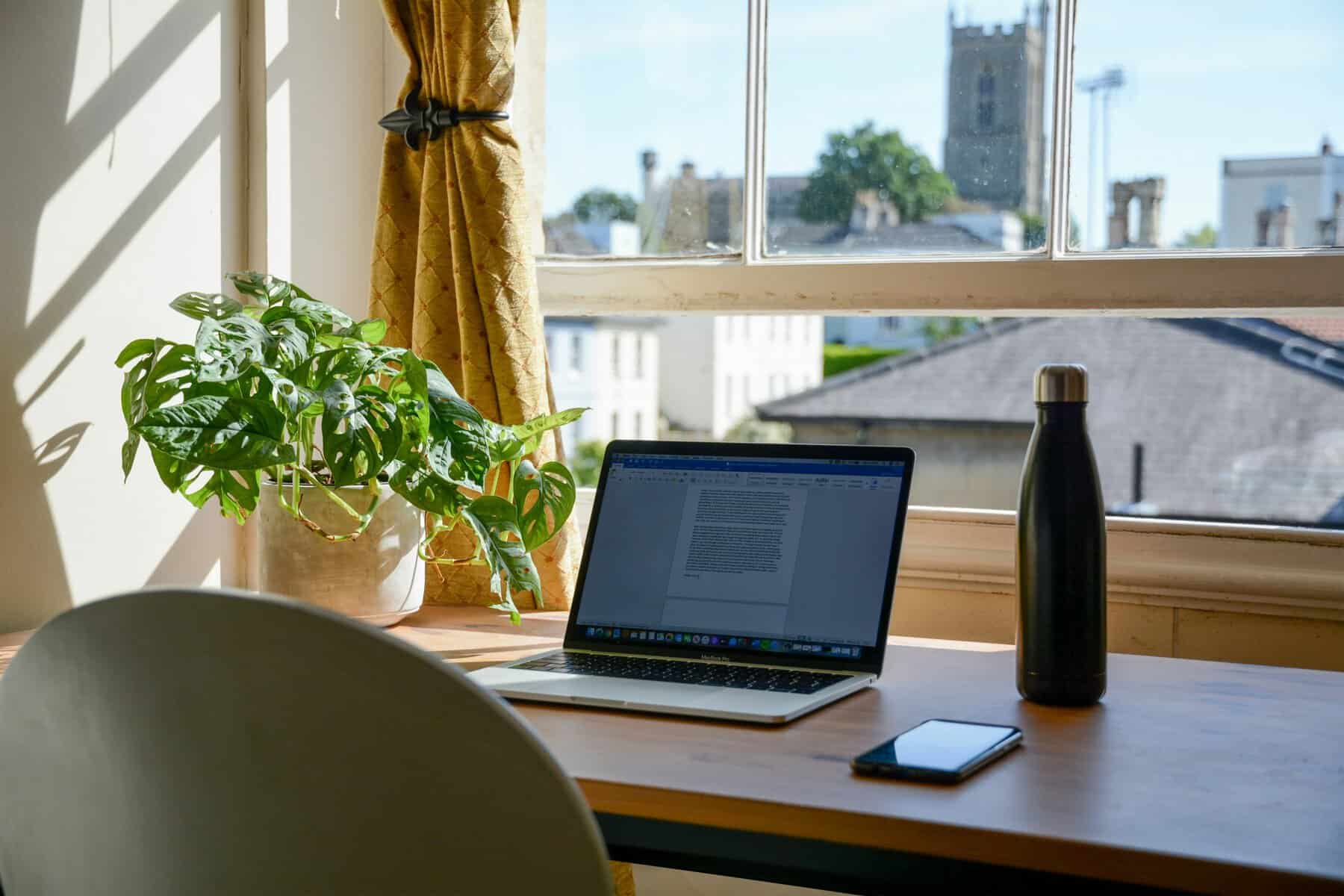
Remote work didn’t just change where people log in to do their work; it has reshaped the place where they want to live. While remote work is less widespread than it was a few years ago, its impact is still felt. For today’s homebuyer, the ability to work from anywhere has turned location from a limitation to a strategic choice. Instead of clustering around employment centers, many of these buyers are now comparing cities side by side homes in Austin, Texas vs homes in Denver, COevaluate lifestyle, cost of livingand long-term affordability before any move is made.
Tools such as a housing affordability calculator make it easier to put that flexibility into a plan, helping buyers understand what they can realistically afford in different markets.
Here’s how remote work and relocation play into real home purchasing decisions.
Rethinking location: from proximity to a job to a suitable lifestyle
For decades, buying a home started with one central question: How long is the commute? While that question is still important, some are still working from home or on hybrid schedules that weigh this question differently. For those working remotely or with a hybrid work schedule, purchasing may not be as tied to a daily commute to an office, opening the door to new markets.
Instead of focusing on proximity to city centers or business districts, remote buyers are prioritizing places that fit the way they want to live. “Remote working and, to a lesser extent, hybrid work have had a profound effect on home buying decisions. For those who rarely or infrequently need to go into the office, the trend towards more flexible working has allowed many to leave busy, high-traffic areas in favor of a less frenzied lifestyle,” says Kate Lister. Global workplace analysis explains.
Lister continues: “Even those who travel to the office once or twice a week have shown a willingness to travel longer on the days they do have to go home. Data from the US surveys shows that about 10% have moved further from the office because of the ability to work from home some or all of the time. In the years since the pandemic, the share of those now working more than 50 miles from their office has grown from less than one percent to 5.5% in 2023.”
This shift has expanded the geographic “search radius” for these buyers. It is now common for people to compare multiple cities, or even states, before deciding where to put down roots. As a result long-distance movements have become a standard a part of the home buying landscape rather than an exception.
Affordability is the driving force behind migration patterns
While flexibility is a major benefit of remote work, affordability is often the catalyst behind relocation.
Migration trends show that of all major US metros, Sacramento was the most sought-after destination among homebuyers looking to move between December ’25 and February ’26. Next came Phoenix, Sarasota, Cape Coral and Nashville. Los Angeles was the most sought-after destination among homebuyers looking to move, followed by New York, Seattle, San Francisco and Washington.
Fully remote or hybrid buyers can focus on markets where their budgets stretch further with work flexibility. This often translates into lower home prices, larger properties, and lower property taxes or overall cost of living.
Suburban areas and smaller cities have gone from backup options to real contenders. With more space and relative affordability, they are expanding options for remote workers who decide where to live.
>>Read: 15 of the best places in America to work remotely
The expectation is that houses will do more
Remote buyers aren’t just looking for a place to live; they are looking for a space that can support productivity, comfort and flexibility at the same time.
One of the most notable changes in the era of remote and hybrid working is the demand for dedicated workspaces. Home offices have gone from a nice-to-have feature to a priority for many buyers. When a dedicated office isn’t available, buyers are evaluating how easily a home can accommodate one, whether that’s through an extra bedroom, a finished basement or a flexible bonus room.
But it’s not just about having a desk. Buyers also pay attention to:
- Natural light and noise levels.
- Reliable internet connection.
- Layouts that allow separation between work and daily life.
“Remote working is quietly changing home buying decisions, with more buyers opting for areas that offer more value and space over proximity to central business districts. There is a growing preference for homes that can comfortably meet work needs, such as having a dedicated office space and a reliable internet connection,” says Sean Rivkin Remote colleague explains. “Buyers are also increasingly open to exploring locations outside their immediate city, enabled by flexible working arrangements. Overall, practicality and everyday comfort are becoming key factors in where people choose to settle.”

A shift in priorities: quality of life over convenience
With no daily commute, many of these buyers are rethinking what makes a location desirable. Convenience is not determined by how quickly you can get to the office, but by how well your environment supports your daily life.
“Remote working is shifting home buying decisions from traditional ‘career towns’ to places that offer a better overall lifestyle to cost ratio,” says Simon Lewis. CoWorking days states. “We see more and more digital nomads and remote workers prioritizing reliable WiFi, access to coworking spaces and proximity to nature or community over proximity to an office. Flexibility also means people are testing short-term destinations before committing to the longer term, often through a combination of living, renting and potential property purchases.”
This shift stimulates interest in:
- Quiet neighborhoods with less density and high Running score.
- Access to parks, trails and outdoor recreation.
- Communities with a strong sense of local identity.
“Remote working fundamentally decouples home buying from proximity to one office, shifting decision-making to lifestyle, flexibility and long-term value. We see families prioritizing space, access to nature and community over urban density, with many opting for secondary cities or international locations that offer a higher quality of life at a lower cost,” Rik Porteus of Boundless life shares. “There is also a rise in ‘portfolio living’, with buyers choosing homes that support mobility, either as a primary flexible base or as part of a multi-site lifestyle, rather than a single permanent home.”
Porteus, whose company Boundless Life runs education programs in multiple international locations, says this model reflects a broader shift among remote-working families. Consistency in education, along with reliable internet, dedicated workspace and access to family-oriented infrastructure, is becoming increasingly important for those moving between destinations.
A more conscious approach to buying a home
Buying a home has a different level of intention for those who work remotely. With fewer geographic restrictions, these buyers are thinking more critically about what they really want and need.
“Instead of asking, ‘Where should I live?’ the question is: ‘Where do I want to live and why?’ “If you can work remotely, your home can be anywhere, which is why people today are more flexible in their location,” Alieke Ingerman of Working remotely details. “You don’t need to be close to the office, the city center or public transport. Now it’s more tempting to leave the expensive cities and move to the countryside. A big advantage is that you get a much bigger house for your money, so you can have a comfortable home office and some outdoor space, and that’s exactly what I’m currently doing in the Netherlands.”
“I can’t wait to be more surrounded by nature and start setting up my new home office. Even though I can work anywhere in the world and travel a lot as a digital nomad, I still like to go home and settle down,” Ingerman explains.
That shift is leading to more strategic decisions, whether it’s maximizing affordability, investing in a better quality of life or choosing a home that can evolve alongside changing work patterns.
“Remote home buyers have gone from chasing cheap zip codes to chasing clean air, a spare room with a door and internet that supports video calling. A few patterns we’re seeing: buyers setting up shop within two hours of a major airport because fully remote still means occasional travel, climate resilience moving onto the checklist as power outages now mean missed customer calls, and couples looking for four-bedroom homes to fit in two quiet work zones,” says the team of Daily remotely shares. “Tier two cities like Chattanooga And Greenville are winning; Buyers are trading in city energy for cleaner air, less traffic and a budget that is quite large.”
Remote work and moving: redefining home
Those working remotely have fundamentally changed their approach to buying a home. Remote work has expanded where buyers can look, reshaped what they prioritize in a home, and introduced new considerations around flexibility and long-term planning.
For today’s buyers, the decision is not just about finding a home, but also about designing a lifestyle. And as remote work continues to impact how and where people live, this mentality is likely to persist.