Apple to pay $250M to settle lawsuit over Siri’s delayed AI features
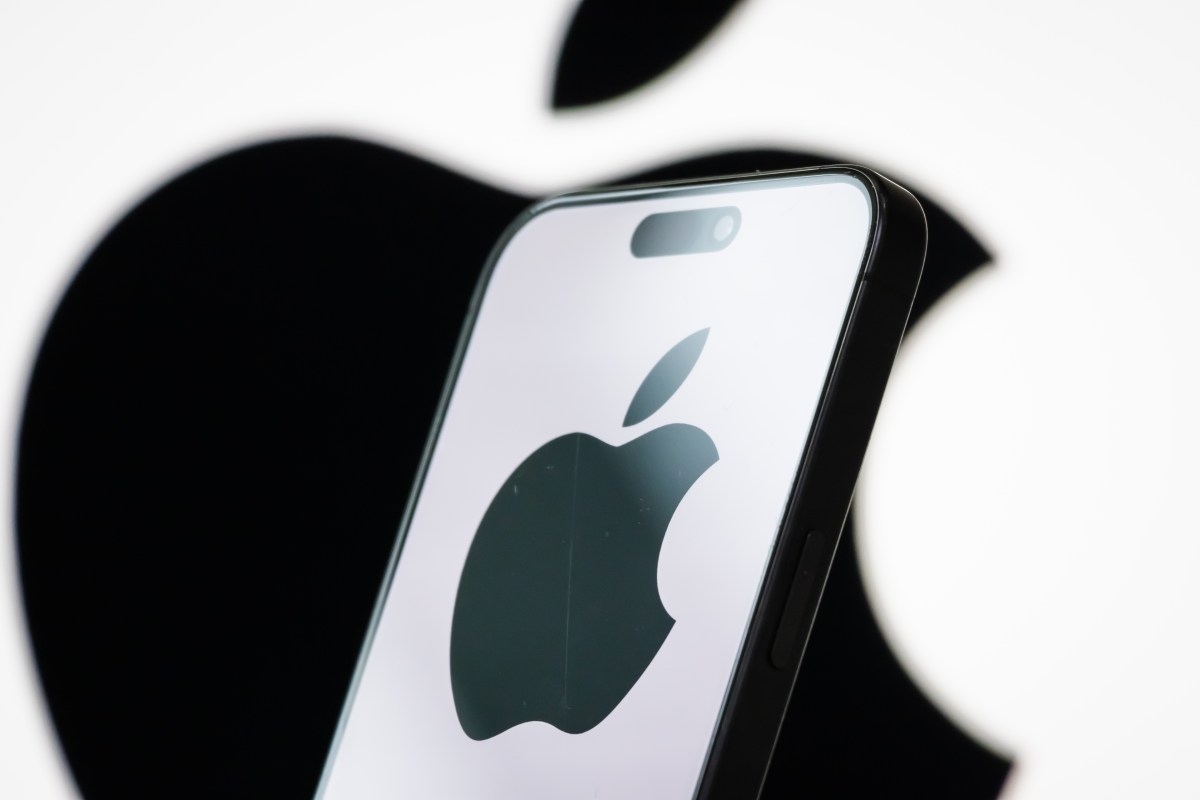
Apple has agreed to pay $250 million to settle the case class action lawsuit on how it marketed its AI features ahead of the launch of the iPhone 16. The Financial times was the first to break the news.
The lawsuit alleged that Apple exaggerated the breadth of features that Apple Intelligence would offer, including a significantly improved version of its assistant, Siri. The complaint alleges that the company gave the impression that advanced AI capabilities would be available to users sooner than was actually the case. Specifically, the plaintiffs allege that Apple overestimated both the readiness and functionality of these features, especially the promised improvements to Siri, which have not yet been fully realized.
As a result, the complaint alleges, people who bought the iPhone 15 or iPhone 16 believed they were paying for advanced AI tools that weren’t actually available at the time of purchase. The lawsuit labeled this as false advertising and says Apple’s marketing influenced purchasing decisions based on incomplete or delayed features.
Apple has not admitted wrongdoing in court, but has chosen to settle the case rather than continue litigation. Under the proposed deal, eligible US customers who purchased the iPhone 15 or iPhone 16 between June 10, 2024 and March 29, 2025 can receive up to $95 per device.
Apple has been touting a more advanced version of Siri since it unveiled Apple Intelligence at WWDC in 2024. The expected updates are expected to make Siri function more like modern AI chatbots like ChatGPT or Claude. The improved experience is rumored to be powered by Google Gemini, although newer reports indicate that the company’s next iPhone operating system will allow users to choose from a number of major third-party language models.
The settlement comes ahead of Apple’s annual developer conference on June 8, when the company is expected to preview a version of its AI-enhanced Siri.
When you make a purchase through links in our articles, we may earn a small commission. This does not affect our editorial independence.