Mexican community faces barriers to nature access in southern Arizona
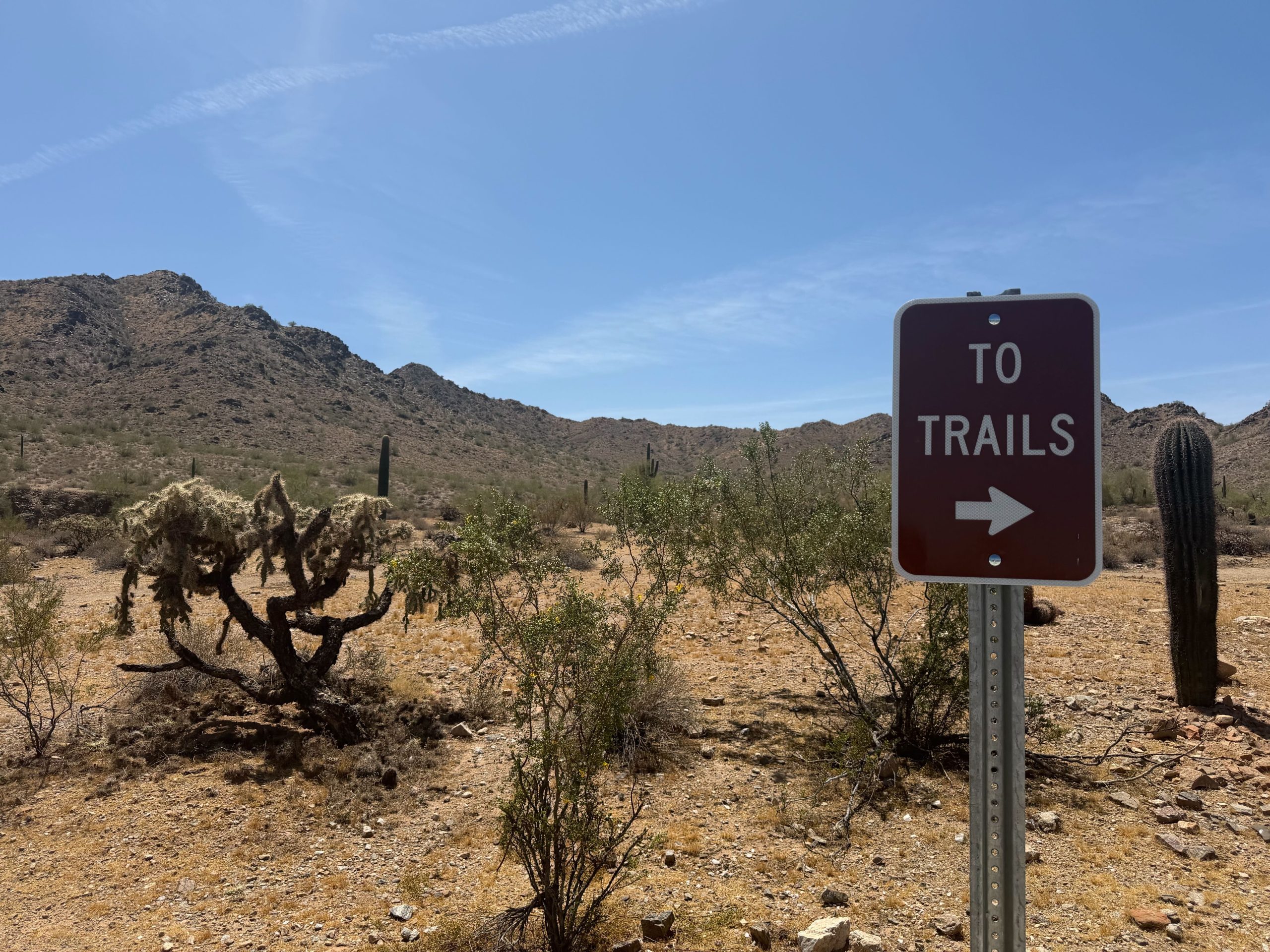
PHOENIX – Access to nature in southern Arizona has been limited not only by environmental risks but also by immigration enforcement and cost, according to a study about barriers to outdoor access for Mexican immigrants and low-income people.
Fiorella Carlos Chavez wanted to celebrate her birthday at a local park – set up at a table in the shade, and enjoy the scenery.
“Then one of my friends told me, ‘You actually have to register and pay,’ and I said, ‘Register? I don’t get it’,” she said, referring to the fee required to reserve a picnic area for larger groups.
Carlos Chavez, a Peruvian immigrant and an assistant professor at Arizona State University, was surprised: “It blew my mind. This is a park, what do you mean you have to make a reservation?”
Mexican immigrants and low-income communities have limited access to nature in Tucson, not because of distance, but because of legal, economic and structural barriers, said Rebecca Crocker, an assistant research professor at the University of Arizona and one of the co-authors of the recent study.
“Each of us have different natural inclinations to what feels like nature,” Crocker said, adding that fear can hinder the experience and health effects of the outdoors.
“Whether that fear comes from the fact that you are worried you are going to see a rattlesnake or, more presently, you are worried about getting perceived by immigration enforcement and get deported.”
Crocker explained that many Latinos feel that moving across Arizona’s landscape has always put them at risk. “I feel that the localized experience of immigration surveillance in southern Arizona is very detrimental to people’s health in lots of ways. And not being able to feel free to move across the landscape that they now reside in is a huge piece of why it’s so unhealthy for them.”
Immigration and Customs Enforcement arrests in Arizona more than tripled in fiscal year 2025 compared to the prior year, according to reporting by Arizona Luminaria, a nonprofit based in Tucson.
In March, the Tucson City Council unanimously approved an ordinance to restrict federal immigration enforcement on city property, barring staging or operations in areas such as parks.
Gary Nabhan, research social scientist emeritus at the University of Arizona, has spent decades studying what he calls the human microbiome — the trillions of microorganisms accumulated through contact with soil, plants and animals that form the foundation of the immune system.
Nabhan also refers to it as the “hidden landscape” on a person’s body – “a reflection of the natural landscape around us. We get those microbes from our contact with nature and animals and soil and plants.”
Nabhan links the lack of microbiomes and a weakened immune system to vulnerability to chronic diseases and shorter lifespans.

“It’s not just a perk, it’s not just an amenity for the rich,” said Peter James, an adjunct associate professor of Environmental Health at Harvard T.H. Chan School of Public Health. “We should really look at nature as just as important as the sewer system, the electricity grid. This is vital infrastructure.”
For Latino communities, that vital infrastructure is deeply rooted in history. Generations of people, particularly those of Mexican descent, worked the land in the U.S. Southwest as farmers and ranchers, shaped by Spanish colonization, Mexican land grants and ranching traditions.
In Tucson, the problem isn’t that parks don’t exist near Latino neighborhoods. It’s that for thousands of residents, those parks might as well be behind a wall.
James said that “objective access or availability of a park nearby” does not mean that Latino communities will use that park: “Proximity does not equal access.”
Carlos Chavez said in Latino communities, “people are overworked. … It’s a part of (their) identity.”
Even in her own life, she sees time in nature “as a luxury.”
“Yes, I want to go to the park, but I’m too tired, I’m not going to do it, or I have something else to do from work,” she said. “So I think it comes to that decision: Can I give up what I need to do now from work in order to enjoy the outdoors?”
This is one of the main barriers Crocker focused on in her study. Tiredness and lack of time are not only personal but also systematic barriers in the communities. “There’s always a deeper story there,” she said.
“To expect at the end of the day, someone is going to have time and energy and resources to figure this all out on their own is too much to expect of an individual person. We really need to look more structurally at how we can promote access,” Crocker said.
Related

Source link