RYANAIR TO CLOSE 7 BERLIN BASE FROM OCTOBER 2026 | News
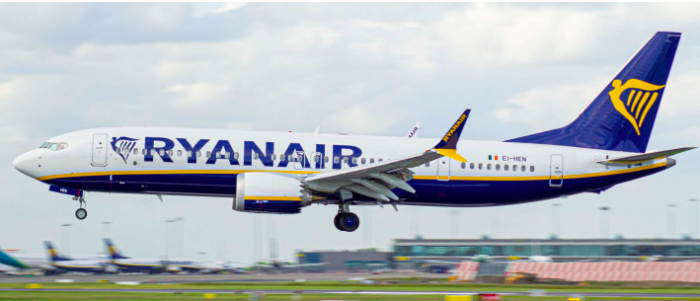
Ryanair, Europe’s largest airline, has announced that it plans to close its 7 a/c Berlin base on 24 Oct ’26, reducing the number of flights to/from Berlin in its winter schedule by 50%. All seven Berlin-based aircraft will in this case be allocated to cheaper airports in other EU countries that have abolished aviation taxes, such as Sweden, Slovakia, Albania and Italy. This is a direct result of Berlin Airport’s recent announcement that it will increase rates by another 10% between 2027 and 2029, when already high airport rates have increased by 50% since Covid, while Berlin’s traffic has collapsed by 30%, from 36 million in 2019 to 26 million in 2025. Germany’s aviation policy has failed its citizens as it relies on high aviation taxes and excessive airport costs to combat hopeless inefficiency, as evidenced by the fact that since 2019:
The harmful aviation tax in Germany has more than doubled from €7.30 to €15.50 per passenger.
German security costs have doubled from €10 in 2024 to €20 per person in January 2028.
German ATC fares have tripled from €1 to €3.30 per passenger.
Airport charges have skyrocketed – especially in Berlin, where published airport charges have increased by 50% since Covid, with a further 10% in 2029.
Thanks to Berlin Airport’s unjustified and excessive fare increases of 50% since 2019, air traffic has collapsed by almost 30%, from 36 million passengers in 2019 to just 26 million in 2025, making Berlin Europe’s most failing airport. Instead of introducing cheaper incentives for airlines to fix this traffic collapse, Berlin Airport has decided to increase already high prices by another 10%, leaving Berlin woefully uncompetitive against rival European airports that are cutting fares to grow, and where the government is abolishing travel taxes.
Due to Berlin’s high costs and the latest notice of fare increases, all Ryanair Berlin pilots and cabin crew have unfortunately received today a notice of the proposed base closure from 24 Oct ’26. The staff meeting will start soon. All flight crews can secure alternative positions elsewhere in the Ryanair network across Europe, as Ryanair will accelerate growth (in jobs and traffic) by transferring these seven Berlin air-conditioning systems to cheaper airports in countries without aviation taxes elsewhere in Europe.
Ryanair DAC CEO Eddie Wilson said:
“We regret to announce this planned closure of our Berlin base with seven aircraft from October 24, 2026, but we have no alternative following the airport’s latest 10% tariff increase to the already high airport charges. This is on top of the 50% increase in Berlin airport charges since 2019. Despite Berlin Airport losing 30% of its pre-Covid traffic thanks to Germany’s excessive airport charges and stupid aviation tax regime, they now decided to increase fares even further 10% which will result in the loss of more than 2 million Ryanair seats per year and 7 based aircraft will still serve Berlin but with air conditioning outside Germany and our traffic in Berlin will drop by 50% from 4.5 million to 2.2 million passengers in 2027.
German aviation is broken. The government. admits it is not competitive, yet there is no strategy to reduce aviation taxes or high airport charges – despite Ryanair’s warning that Germany would lose traffic, connectivity, jobs and trade. Since 2019, Ryanair has been forced to close its bases in Frankfurt, Düsseldorf and Stuttgart (resulting in the loss of 13 based aircraft) as well as halting all flights to Dresden, Leipzig and Dortmund. Today Ryanair announces the planned closure of our seven aircraft base in Berlin, with further cuts across Germany now inevitable. These cuts to Germany’s high taxes and high costs come at a time when Ryanair is growing traffic across Europe by almost 70 million passengers per year (from 149 million in 2019 to 216 million in 2026) since Covid, but our Berlin traffic is now set to collapse by at least 50% by 2027 due to Germany’s damaging aviation tax and Berlin Airport’s high and rising rates.
Efficient operations and competitive airport rates are the foundation that will enable Ryanair to deliver long-term traffic growth and better connectivity for airports and regions. This is impossible in Berlin due to the German government’s inability to abolish the harmful aviation tax and the Berlin Airport’s decision to once again increase the already high airport charges. Ryanair has many other cheaper airports and countries with zero aviation taxes across Europe competing for scarce capacity growth, all of which are taking action to reduce entry costs by abolishing aviation taxes, reducing airport charges and cutting ATC fees. Without meaningful cost reforms in Berlin or in Germany at a national level, we have no alternative but to transfer aircraft from Germany to other, more competitive markets elsewhere in Europe, while Germany and Berlin Airport continue to fail.”