How Mail Order Brought the Occult – The Public Domain Review
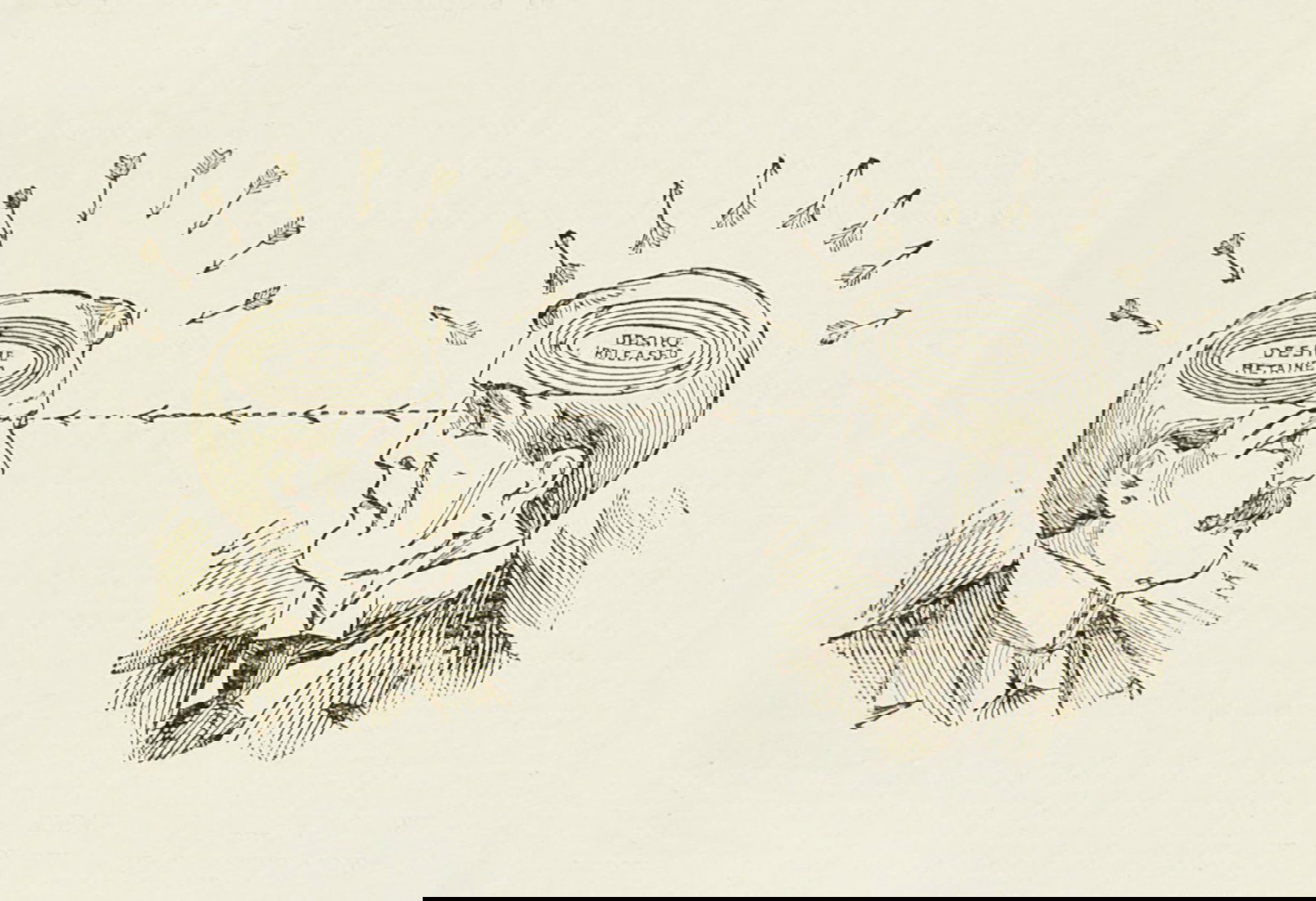
One of the best-known mail-order occult societies of the time, and one that still exists, was the Ancient Mystical Order Rosae Crucis (AMORC), founded in 1915 by advertising agent Harvey Spencer Lewis. Like Sydney Flower, Lewis initially began publishing mail-order courses on popular late-nineteenth-century practices of hypnosis and mesmerism, in works such as Four special lessons on personal influence, hypnotic suggestion and treatment by suggestion. What happened next became the cornerstone of AMORC’s founding story. Lewis claimed that he was initiated into an unbroken Rosicrucian lineage during a visit to Toulouse in 1909 and was subsequently commissioned to bring the tradition to America where it could be publicly revealed to those who had been properly prepared. While many new religious movements emerging from the Second Great Awakening had viewed American society as corrupt, fallen, or doomed—and responded summarily by withdrawing or seceding—Lewis’s AMORC moved in the other direction, presenting itself as the continuing current of the secret Rosicrucian order of recovering mendicants whose job was to engage with the world and support its healthy growth. As its own literature explained, “the Order is primarily a humanitarian movement, bringing greater health, happiness and peace to the earthly lives of all humanity.” The members, it was clarified, were “selfless servants of God to humanity, efficiently educated, trained and experienced, attuned to the mighty forces of the Cosmic or Divine Mind, and masters of matter, space and time.” Despite his mythologizing tendencies and sometimes grandiose cunning, Lewis proclaimed a humanistic mysticism based on discipline and ethical responsibility, promising not transcendence outside the world but mastery and harmony within it.