Is Puerto Vallarta safe now? Flights canceled until February 26
Puerto Vallarta is at the center of Mexico’s worst travel disruption in years.
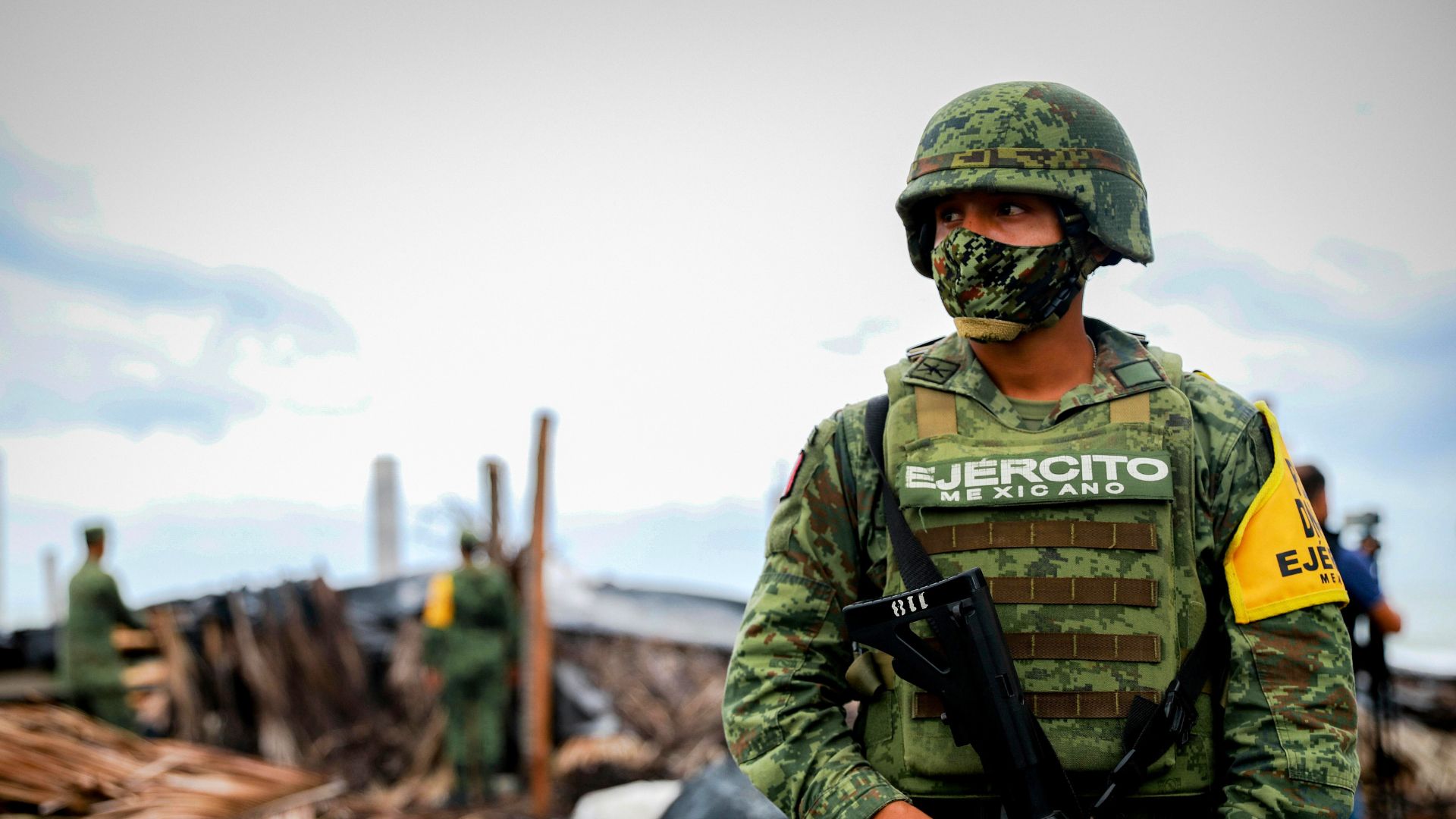
Following the killing of Nemesio “El Mencho” Oseguera Cervantes – leader of the Jalisco New Generation Cartel – by Mexican special forces on Sunday, February 22, the city and broader state of Jalisco erupted in retaliatory violence, roadblocks and vehicle burnings that have grounded flights, suspended rides and left tourists scrambling for answers.
Here’s the clearest picture of what’s happening now and what travelers should actually do.
The situation on the ground at the moment
From Monday morning Puerto Vallarta remains under an active shelter-in-place advisory from the U.S. government. The most recent update of the US Embassy in Mexico – published just hours ago – confirms that US government personnel in Puerto Vallarta and Guadalajara continue to shelter in place and urges all US citizens to do the same until all roadblocks are lifted.
Critical, all rides, including Uber and Didi, have been suspended in Puerto Vallarta. According to the U.S. State Department’s Consular Affairs, Americans in Mexico should “seek shelter, minimize unnecessary travel” and keep family and friends informed of their well-being. Vallarta daily confirmed that intercity bus services have also been suspended, effectively isolating the city for short-distance travel.
The important distinction for travelers: no tourists or civilians were directly injured during the unrest. The violence is concentrated in cartels’ territorial disputes on roads and highways – not in hotel zones or beach areas.
Which airlines have canceled flights and until when

The flight disruption is real, significant and persistent. According to KOMO newsAlaska, United, Delta and Southwest all canceled flights from major U.S. hubs to Puerto Vallarta International Airport on Sunday, with hundreds of additional cancellations recorded by FlightAware on domestic and international routes.
Here’s where every major airline stands as of February 23:
Delta Airlines has issued a travel advisory stating that services to, from and via Puerto Vallarta and Guadalajara may be affected February 26. Delta said: “The safety of our customers and crew always comes first and we are closely monitoring the situation in the region.” Tariff exemptions are currently active.
US airlines canceled the Chicago-Puerto Vallarta routes Monday morning and issued a travel alert for parts of Mexico with fare waivers through Feb. 24.
Southwest Airlines confirmed that all four Sunday flights to Puerto Vallarta and return flights had been cancelled, with disruptions expected through Wednesday, February 25.
United Airlines stated that flight operations to Puerto Vallarta and Guadalajara remain canceled. KHOU Houston confirmed that United has cautiously begun resuming some routes, but Puerto Vallarta remains in restricted status.
Air Canada and WestJet both have canceled all flights to Puerto Vallarta, with Travel Pulse Canada reporting that Global Affairs Canada has issued its own shelter-in-place advisory for Jalisco – exactly mirroring the US position.
Which still works normally
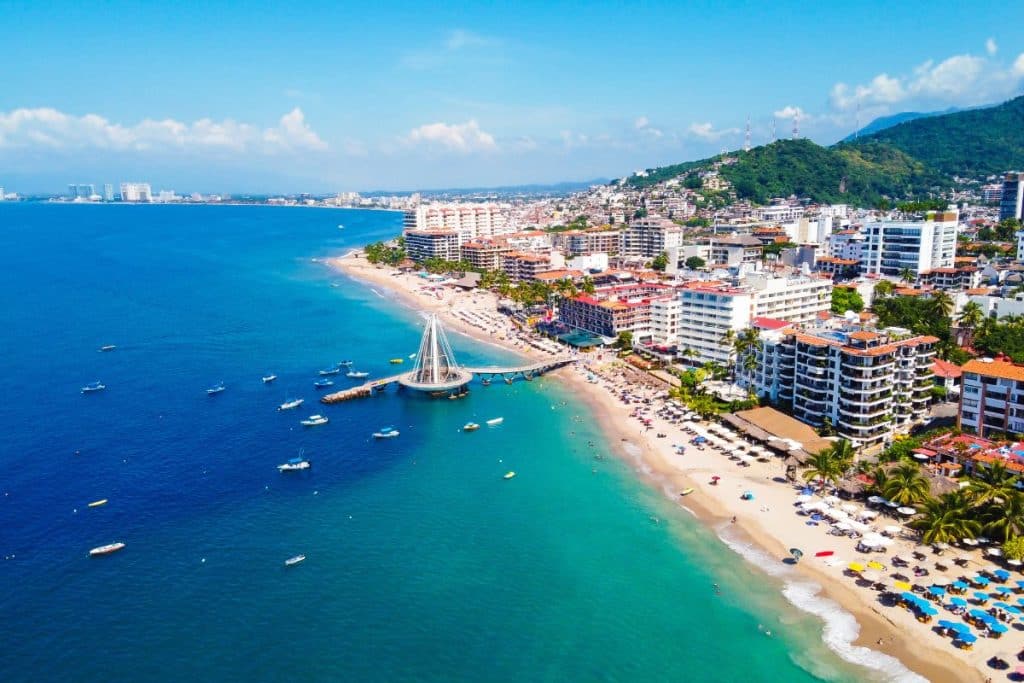
Not all of Mexico is affected. The Update from the US Embassy 4 confirmed the situation back to normal in Quintana Ro – including Cancun, Cozumel, Playa del Carmen and Tulum – as well as Sinaloa and Tamaulipas. All other Mexican airports outside of Guadalajara and Puerto Vallarta are operating normally and no safety-related flight disruptions have been reported.
What travelers should do with upcoming bookings
If you are currently in Puerto Vallartastay in your hotel, avoid street-level movements, and monitor the official US Embassy alert page directly for real-time updates. Do not attempt to reach the airport until your airline has specifically confirmed that your flight is taking place and that road access is clear.
If you have a upcoming booking until February 26thContact your airline immediately to activate your travel exemption. All major US airlines have waivers that allow free rebooking or cancellation. Document all communications and keep receipts for any additional accommodation costs incurred as these may be eligible for reimbursement depending on your airline’s policy and your travel insurance coverage.
The Smart Traveler Enrollment Program – a free service from the US Department of State – provides real-time emergency alerts directly to your phone and is highly recommended for any traveler currently in Mexico.