How long does skin care last? Stop the afternoon drought
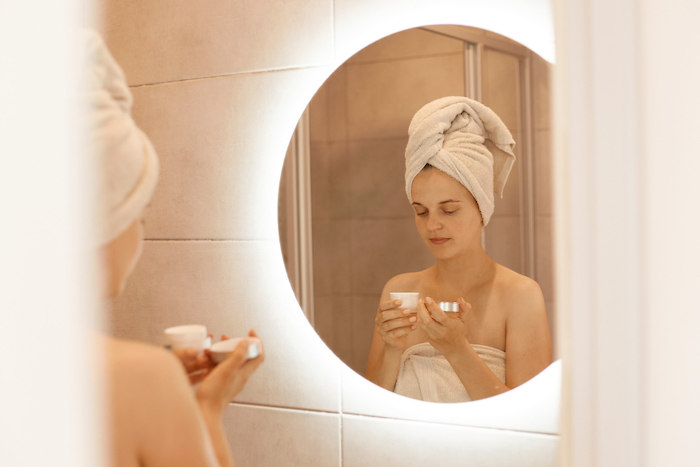
How long does skin care last on your face before your skin feels tight and dry again, as if everything you applied just disappeared?
If you’ve ever done your morning routine, walked away feeling good, and come back an hour later thinking: Why does it feel like I haven’t done anything?you’ve just been duped by “short-term” skin care. This is skin care that feels good when you apply it, but then seems to disappear because it had no real benefits for your skin.
It’s no fun finding out that your fancy new pot of lotion is a short-term product that makes you feel good for 15 minutes, especially if you spent a lot on that pot. Unfortunately, it’s one of the most common skincare frustrations, and it can erode your confidence in what you buy. Skin care costs can add up quickly, and no one wants to feel like they’ve spent real money on products that disappear before lunch.
This is why “longevity” is becoming so important in skin care right now. Customers want results that hold and support the skin over time, not quick comfort that quickly fades.
If you are one of those customers, stay tuned. We’re going to help you figure out whether your skin care is long-term or short-term, and how to buy products that are much more likely to give you the lasting results you want.
To get started, here’s the first thing you need to know: How long skin care lasts depends on two things: what the product is designed for and what happens to your skin when you apply it.
Clue 1: How long does skin care last if you apply it to damp skin?
This one often surprises people because it’s so simple.
If your skin is completely dry when you apply moisturizer (any moisturizer), it’s harder for that moisturizer to retain hydration.
Think of your skin as a slightly damp sponge. If you retain moisture while the sponge is already slightly wet, it will stay soft longer. If the sponge is bone dry, it helps some to put a creamy layer on top of it, but there isn’t as much water to work with, so it tends to sit on the surface, leaving the lower levels feeling dry. This also means that the product will evaporate faster.
Try this:
After cleansing, pat your face so that it is not dripping but still slightly damp. Then apply your moisturizer. You will probably find that your skin stays comfortable for longer if you do this.
Clue 2: How long will skin care last if your moisturizer is the right blend?
This part may sound scientific, but it’s easy to understand once you see the pattern.
A moisturizer will last longer if it has a good balance of these three ingredients:
- Water grabbers (humidifiers): attract hydration to the skin; examples are hyaluronic acid or beta-glucan, glycerin, aloe vera and honey
- Smoothing agents (emollients): make the skin feel soft and less rough; examples include jojoba oil, squalane, shea butter, sunflower oil and sweet almond oil
- Sealers (occlusive): help prevent moisture from escaping; examples include beeswax, lanolin, castor oil and cocoa butter
Some products are just oil or plain water mixed with a few ingredients. These simple formulas may feel nice, but they often don’t last long. Better products use something called emulsifiers, which mix water and oil to create a stable mixture. This means the product stays on your skin longer, making it work better.
Additionally, products with occlusive ingredients create a protective seal over your skin, making the moisturizing effect last longer.
Try this:
After Don’t worry: you don’t have to memorize the ingredient lists. You just want to understand what a good formula feels like. If your skin feels soft for ten minutes but feels tight later, your product may be smoothing the surface without locking in hydration.
If your skin is also sensitive, you usually work best with products that support comfort while helping your skin barrier retain moisture. CV Skinlabs is built around skin-soothing support through their moisturizing options, which is useful when dryness and sensitivity occur together.
Clue 3: What about the ingredients?
Not all skin care ingredients are created equal. Some simply sit on your skin like a temporary blanket, while others actually sink to the deeper layers where they can provide longer-lasting hydration.
Ingredients that just sit on the surface feel nice at first, but are usually the ones that disappear quickly. It’s like putting a damp towel on your face: it feels nice for a while, but dries out quickly.
Products high in drying alcohol (listed as alcohol denat., SD alcohol, or ethanol) can make a formula light and quickly absorbent, but can leave your skin feeling tight because they can increase moisture loss. Another common culprit is a heavy scent (including essential oils used for fragrance), which can cause mild irritation in some people. Irritated skin tends to lose moisture faster, which means your hydration won’t stick.
The good things
On the other hand, ingredients like beta-glucan, hyaluronic acid, glycerin, aloe vera, beta-glucan, and alpha-bisabolol come in smaller molecules that actually penetrate your skin. Once in, they can lock in moisture and keep your skin hydrated for much longer.
Be careful, though: you might also notice that some moisturizers are full of long, hard-to-pronounce ingredient names, with glycerin being the only one you recognize. That doesn’t automatically mean the product won’t last long, but it could be an indication.
Glycerin is a strong hydration-pulling ingredient, but on its own it mainly attracts water; it doesn’t hold it. If a formula relies heavily on glycerin and lightweight emollients (like dimethicone, cyclopentasiloxane, or isododecane) without sufficient barrier-supporting or moisture-sealing ingredients (like ceramides, squalane, shea butter, or fatty acids), hydration can quickly fade.
Try this:
When shopping for products, look for products that list these pungent ingredients. And again, pay attention to how the product feels. Does it absorb into your skin within a few minutes, or does it remain on top as a slippery layer? Products that absorb well usually provide long-lasting hydration.

Clue 4: How long does skin care last if you apply the layers in the right order?
Layering isn’t about a 12-step routine or using 10 or more products every day. Instead, you want to be strategic about which products you use and when.
A simple, meaningful sequence is:
- Thin, watery steps first, such as anti-aging serums
- Creamy steps next, like our Calming Moisture and Body Repair Lotion
- Thicker, protective treads are left on (if necessary), such as our Restorative Skin Balm
If you apply a heavy balm first and then try to add a lighter serum, the lighter step may not absorb well. But when you go from light to rich, each product has a better chance of doing its job.
Try this:
If your skin is easily reactive, starting with a soothing step can also help. Our Rescue + Relief Spray is a light, hydration-boosting, soothing option that people use when skin feels irritated or stressed. Then you can use our moisturizer to maintain comfort.
Clue 5: How long does skin care last when your skin barrier is under stress?
This is a big one, and it’s often the hidden reason why products don’t last.
Your skin barrier is like a protective wall. If it is strong, it retains moisture and keeps out irritants. When you are stressed, water escapes more quickly, causing your skin to dry out again if you have used a good product.
Common things that burden the skin barrier are:
- Aggressive cleaning agents
- Over-exfoliating
- Hot water
- Scrubbing hard
- Excessive use of retinoids or other treatment products
- Trying too many products at once
Indications that your barrier may be under pressure:
- Your skin stings when you apply products
- It turns red easily
- It feels tight immediately after cleansing, even if you use a moisturizing cleanser
- Develops flakes even if you use a moisturizer
Try this:
If this sounds like you, the “long-term” solution usually starts with soothing the barrier support for a few weeks. Stick to the basics: a gentle cleanser, alcohol-free toner, and a penetrating moisturizer. Then look for products with ingredients called ceramides, as these help rebuild the protective barrier. Our Calming Moisture and Restorative Skin Balm can be especially helpful when tightness and sensitivity occur together.
Clue 6: What about when the environment dries you out?
Your environment can take a toll on even the best skincare routine.
If you are near indoor heating, dry winter air, wind, or high altitude, your skin is likely to lose moisture more quickly. That means a moisturizer that felt perfect in the summer may feel useless come January.
Try this:
If your skin gets tight especially at work or while traveling, it may not be your products, but the air. A richer moisturizer, a little touch of balm on dry spots (our Restorative Skin Balm works great!), or a mid-day reapplication (Rescue + Relief Spray) can make a big difference.
If you notice that your skin becomes much drier in the colder seasons, it may be because you live in a year-round dry climate. Humidify more often and consider putting a humidifier in your room at night.
Clue 7: How long does skin care last after the product dries?
An easy way to determine if a moisturizer will provide long-lasting hydration is to see how your skin feels once the product has fully penetrated and absorbed.
Try this:
Check your skin about 1 to 2 hours after application. Notice how it feelsnot what it looks like. If it still feels comfortable, flexible and quiet, your products are doing their job. Your skin should feel like it can move naturally, not like it has a thin layer on top or like it’s dry and cracked. It should also feel soft, comfortable and cushioned. If this is the case, it’s a sign that your skin care product contains ingredients that help slow down moisture loss.
If it already feels tight, dry or “bare”, the hydration is not lasting as long as it should.
Another clue is how ‘matte’ or quick-drying a moisturizer feels. Products designed to dry instantly often contain ingredients that evaporate or sit lightly on the surface. If your skin feels dry again shortly after application, that quick-drying result may be the reason the hydration isn’t lasting.
Quick reality check
Sometimes skin care disappears because it is of low quality. But sometimes it’s because your skin barrier is under stress or your routine isn’t sealing in hydration. Often it is a mix of both.
If you’re looking for that long-lasting, comfortable feeling, focus on what helps your skin retain moisture: choose your products carefully, apply them to damp skin, choose the right texture, layer smartly, protect your barrier and adapt to your environment.
Are you looking for sustainable products?
Featured image by user18526052 on Freepik.