The impact of luxury eco camps on the conservation of the Masai Mara | News
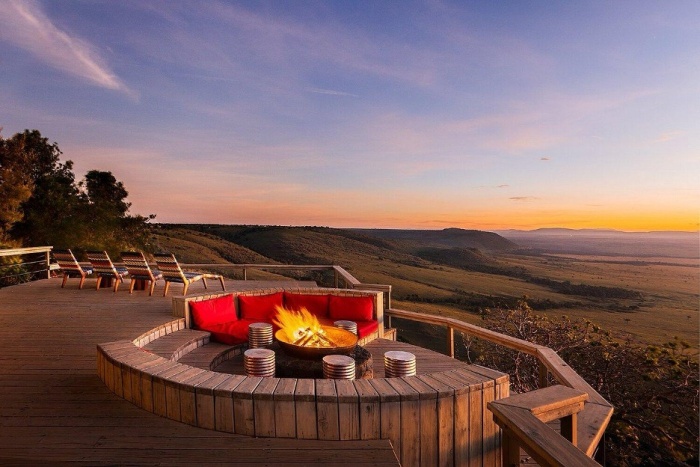
Most people imagine a luxury safari as champagne on a sundeck, perhaps a plunge pool overlooking golden grass. That’s part of it, for sure. But I didn’t fully understand what was happening behind the scenes of these Masai Mara reserves until I spent a week bouncing back and forth between a luxury eco-camp in the Naboisho Conservancy and the main reserve. The difference wasn’t just about comfort or fewer vehicles. It was about where the money actually goes.
When researching ethical safari options, look into comprehensive Masai Mara travel resources can help you understand the conservation model before booking. The Kenyan tourism landscape has changed significantly over the past decade. Protecting biodiversity in the Greater Mara Ecosystem now relies heavily on luxury travel money flowing through private nature reserves – and that link between your hotel bill and wildlife corridors is more direct than you might expect.
How the conservation model actually works
Here’s something that surprised me. The Masai Mara National Reserve itself – the famous part – is managed by the Narok County government. But surrounding it are 24 community-owned nature reserves covering more than 450,000 hectares. These are not government lands. They are among more than 17,000 individual Maasai landowners who lease their territory to tourism operators.
The Maasai Mara Wildlife Conservancies Association (MMWCA) coordinates this network. Lease payments to landowners exceed $4.8 million annually. That’s real money going to real families who might otherwise convert grassland to wheat farms or subdivide it for settlements. I have seen this tension with my own eyes. A Maasai elder from near Pardamat once told me that his neighbors were building fences to protect rangelands from wildlife, closing off elephant corridors. The conservation lease payments convinced many of them to tear down fences.
And it works. Wild dogs – which disappeared from the area years ago – are being spotted again in places where fences have collapsed. Giraffes migrate through corridors that did not exist five years ago.
What your nightly rate pays for
Let me be specific about the costs. A night at a top-level eco-camp such as Angama Mara, Mahali Mzuri or Mara Plains costs between $1,200 and $2,500 per person. The Ritz-Carlton Masai Mara, opening in 2025, is asking more than $5,000. These rates generally include meals, drinks, two daily game drives and conservation fees.
But here’s what most visitors don’t realize: a significant portion of that nightly rate doesn’t go toward the lodge’s profit margin. It goes towards conservation fees, ranger salaries, anti-poaching patrols and direct community payments. In Mara North Conservancy alone, eleven member camps guarantee fixed monthly rent payments to 783 Maasai landowners. That payment does not depend on the number of tourists who come in a given month; it is guaranteed. During COVID, when tourism collapsed, some camps continued to make these payments even as they lost money.
A quick comparison to the main reserve
In the Masai Mara National Reserve, non-resident adults currently pay $200 per day during high season (July-December) and $100 per day during low season. Those fees go to the Narok County Council. There are 49 camps within the reserve and more than 150 outside. During peak season you may see thirty vehicles crowding around one lion pride. I was in that scrum. It’s not great for the animals and it’s not great for you.
Private conservation organizations strictly limit the number of vehicles. Naboisho only allows one vehicle per 700 hectares. That means better wildlife behavior, calmer animals and, frankly, better photos. You also get to do activities that the main reserve doesn’t allow: night drives, walking safaris, off-road tracking.
The part no one warns you about
I want to be honest about some of the things that frustrated me because I think you deserve to know before you spend this kind of money.
Not every “Eco camp” delivers on its promises
Some camps use green marketing without the substance. They call themselves ‘environmentally friendly’ as they transport diesel generators and bottled water from Nairobi. My guide, Peter Naisenya, a certified safari guide with ten years of experience, put it bluntly one evening at a camp tea: “Ask them how many community members they employ. Ask what percentage of sales stays local. If they can’t give you numbers, walk away.”
That stuck with me. The real eco-camps in Masai Mara can tell you exactly how their money flows. Saruni Mara employs more than 80% of its staff from local Maasai communities. Elephant Pepper Camp has a Gold Eco Rating from Ecotourism Kenya. Basecamp Masai Mara runs community waste recycling programs that extend to surrounding villages. But others? I’m not so sure. I recommend asking specific questions before booking.
The eCitizen payment headache
If you visit a KWS-managed park, you must pay entrance fees through the updated eCitizen portal. Fair warning: it’s clunky. The old portal (kws.ecitizen.go.ke) is no longer active. Creating your profile requires patience and payments sometimes fail on the first attempt. If you work with a tour operator, let them handle this.
Costs for the Nairobi National Park have changed as follows; Non-resident adults now pay $80 per day, and children pay $40. That’s a big jump from the $43 adults paid before October 2025 — an increase of roughly 86%. Worth noting: KWS announced new rates in October 2025, a court briefly suspended them, but the new rates are still charged on the portal. Frankly, it’s a bit of a mess, and KWS says refunds could be issued if the court rejects the increase. Although I wouldn’t count on that.
Overpopulation is still a real problem
Even as the conservation model expands, the main Masai Mara National Reserve becomes overwhelmed during the migration season. An audit found 49 camps within the reserve and 153 just outside. That is a lot of pressure on a vulnerable ecosystem. If conservation is important to you – and it should be – choosing a conservation camp over a reserve camp is one of the most impactful decisions you can make. But let’s be clear: that choice costs more and is not accessible to every budget.
What struck me is that the brochures are not displayed
There is a special smell in the Mara at sunrise that I can’t quite describe. It is damp grass mixed with something mineral – like rain on warm rocks – and underneath, faintly, the musky sweetness of animal dung drying in the first sun. The birds start before dawn, a chorus of flying birds and francolins that builds up so gradually that you don’t notice it, until suddenly it’s everywhere. That’s the Mara before the vehicles start.
In a nature camp you hear that silence for much longer. In the main reserve the engine noise starts early.
I also noticed that camps in nature reserves tend to attract a different type of guests. People who ask questions about lion tracking data, who want to know how the Serengeti-Mara ecosystem migration corridor works, who give the Maasai guides tips on ways that matter. It’s self-selection. The high prices filter to people who care about the place, not just the Instagram photo. That’s not always true – I’ve come across some real exceptions – but the trend is there.
Connecting the dots: Nairobi to the Mara
Most travelers spend the night in Nairobi before flying to the Mara. If you have a few extra hours, a half day in Nairobi National Park is worth it. It is only about 7 kilometers from the city center and you can actually spot lions with the Nairobi skyline in the background. It’s strange and wonderful.
Internal flights from Wilson Airport to various Mara airstrips cost between $200 and $350 each way. The flight takes about 45 minutes and the views are incredible. If you drive instead, allow 5-6 hours on rough roads. Most eco camps arrange transfers to the airstrip.
Is the luxury Eco-Camp model sustainable in the long term?
I really don’t know. That’s an honest answer. The model works when tourism is booming. During COVID, some nature reserves almost collapsed. Landowners who had given up farming suddenly found themselves without rent income. A few camps continued to pay – Mara North operators continued to pay until the worst of it – but not all did.
The Nature Conservancy recently helped negotiate 25-year leases that pay more than 50% more than previous deals. That’s promising. Longer commitments give Maasai families more stability. But it also ties them to tourism for a generation. What happens when travel patterns change? If conservation in Kenya becomes less trendy? These are uncomfortable questions for which there are no straight answers.
What I can say is this: the nature reserves around the Masai Mara have measurably increased wildlife habitat. Land that was overgrazed by livestock now hosts predator populations that rival or exceed those in the reserve. Founded in 2010, Naboisho Conservancy supports more than 500 landowners and has one of the highest predator densities in East Africa. It’s hard to dispute those numbers.
Before you book: what I would tell a friend
Choose a camp in a nature reserve, not in the main reserve. You pay more. The nature experience is better and your money does more conservation work. Olare Motorogi, Mara North and Naboisho are the most established, but newer nature reserves such as Pardamat are doing exciting things with corridor restoration.
Book early if you want the trekking season (July-October). Premier camps sell out twelve to eighteen months in advance during that period. But consider visiting from November through June instead. The wildlife in the area is excellent, crowds are small and rates drop significantly. I’ve had some of my best big cat sightings in January, when the grass is green and there’s hardly another vehicle around.
Ask direct questions to your camp. How many employees come from local communities? What percentage of sales goes to nature conservation? Do they use solar energy or do they run on diesel? Do they have an Ecotourism Kenya certification? Vague answers are a warning sign.
The impact of luxury eco camps on the conservation of the Masai Mara is real and measurable, but it is neither perfect nor guaranteed. Your choice of where to stay is one of the most meaningful conservation decisions you will make while on safari in Kenya. Spend it wisely.